
Last updated September 10, 2026
Level 1 sweep and inspection to the NFPA 211 annual standard - flue, crown, cap, and flashing checked and photographed
Chimney sweep logs do not sweep chimneys. They loosen some creosote - which then falls where a brush and vacuum still have to collect it.
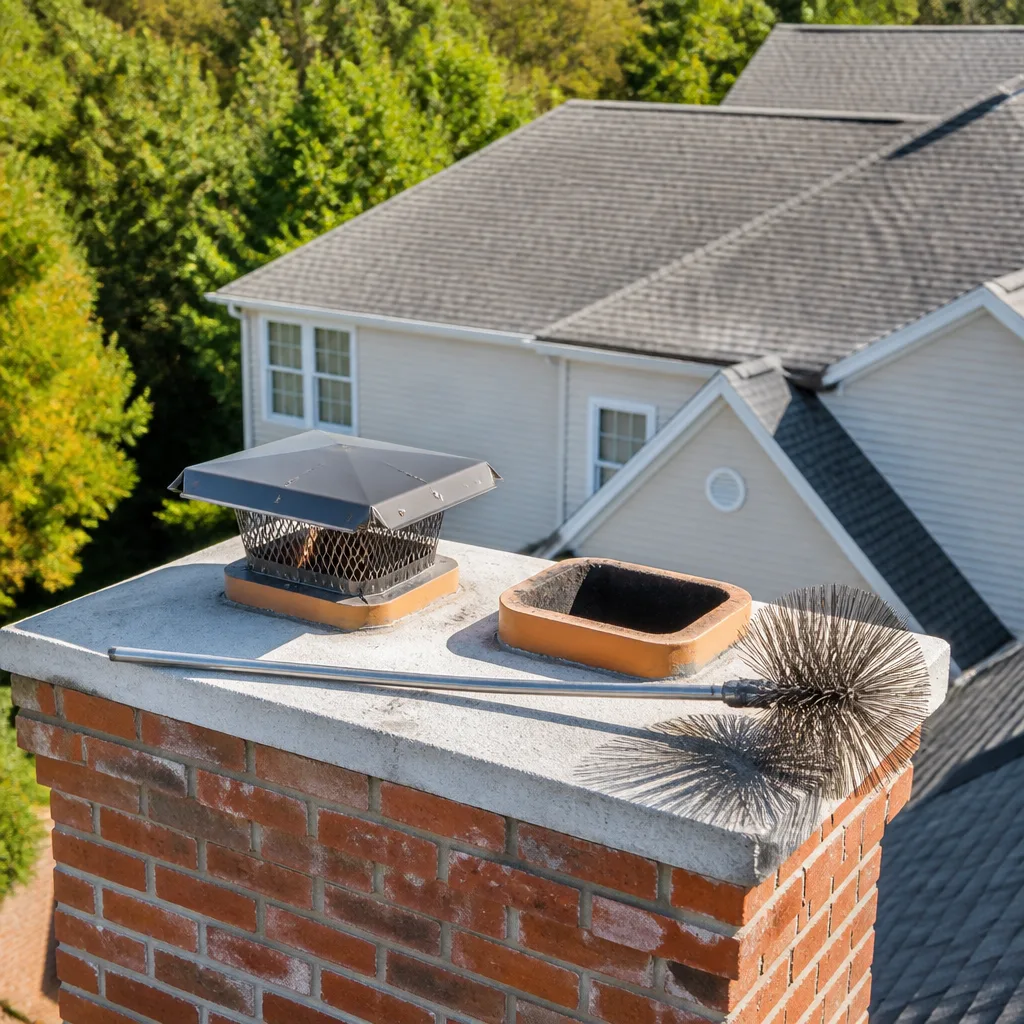
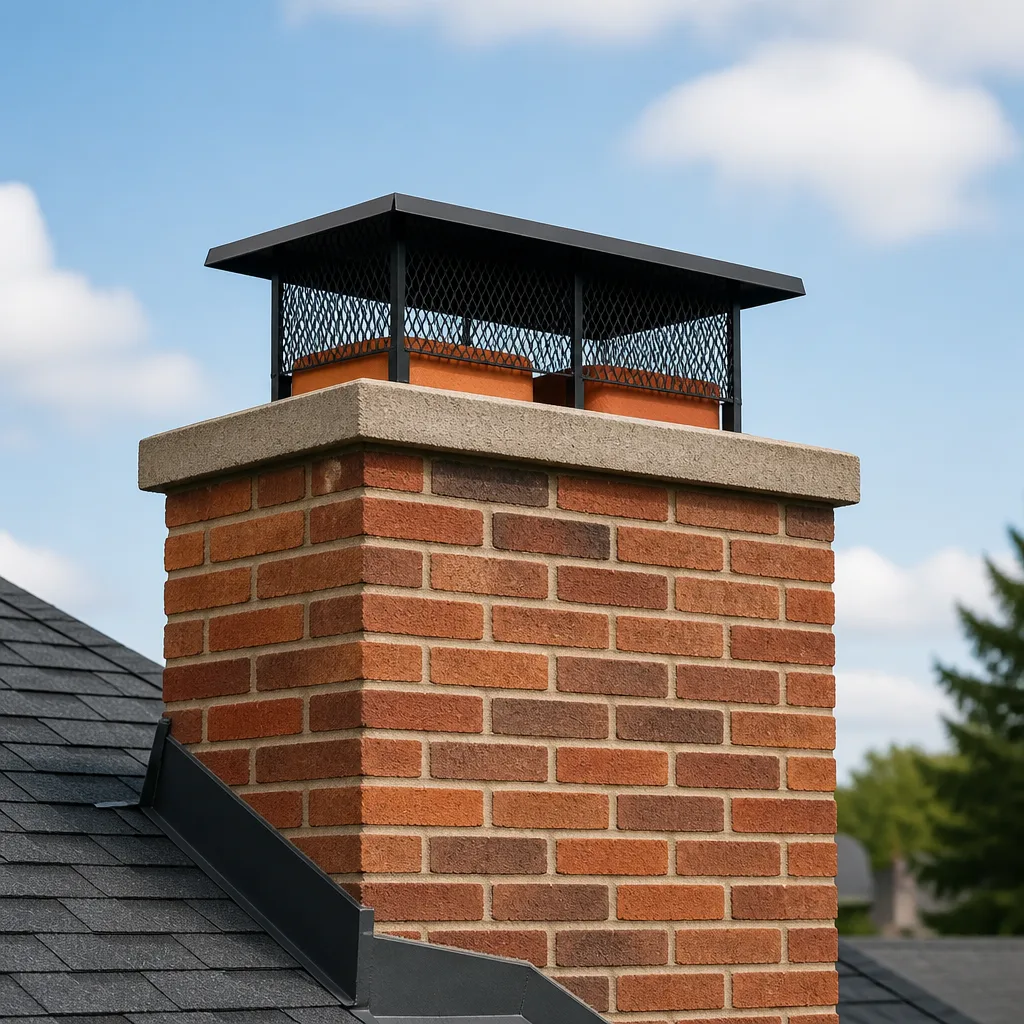
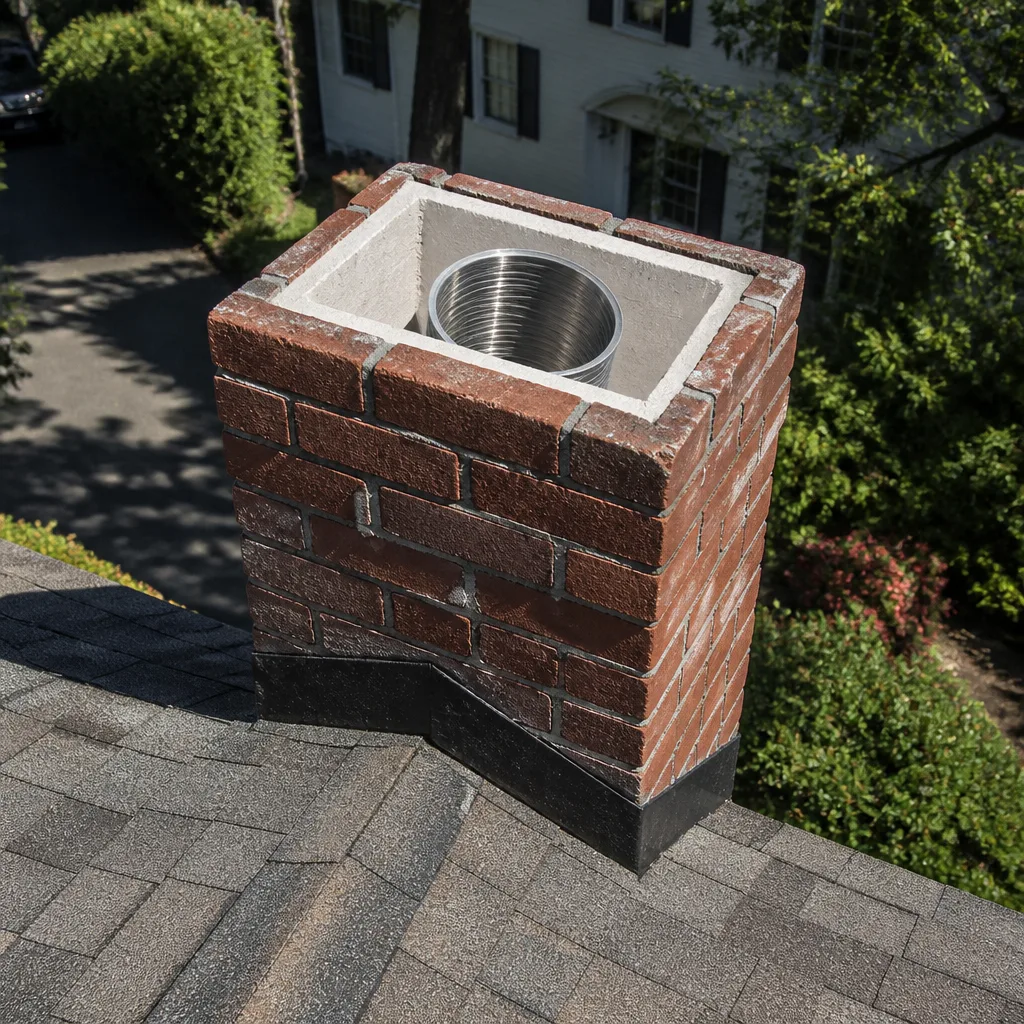
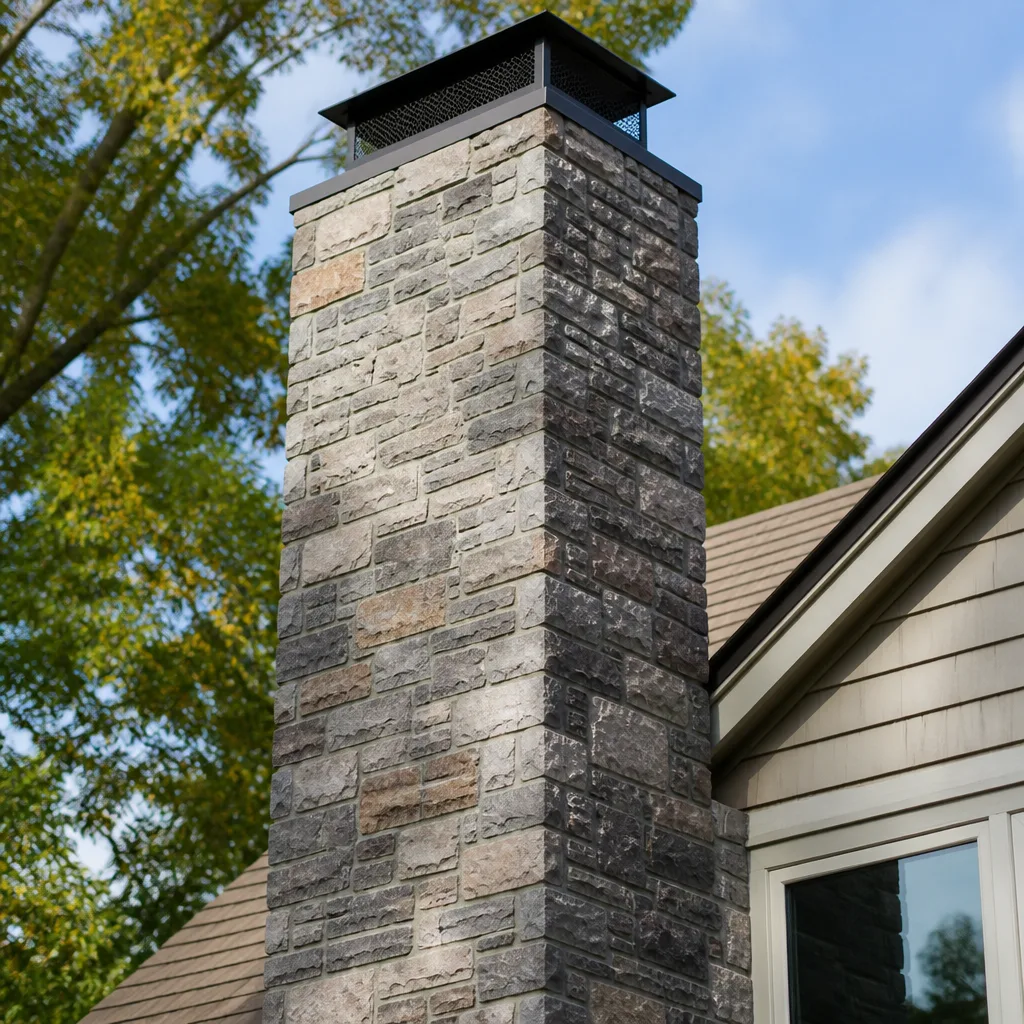
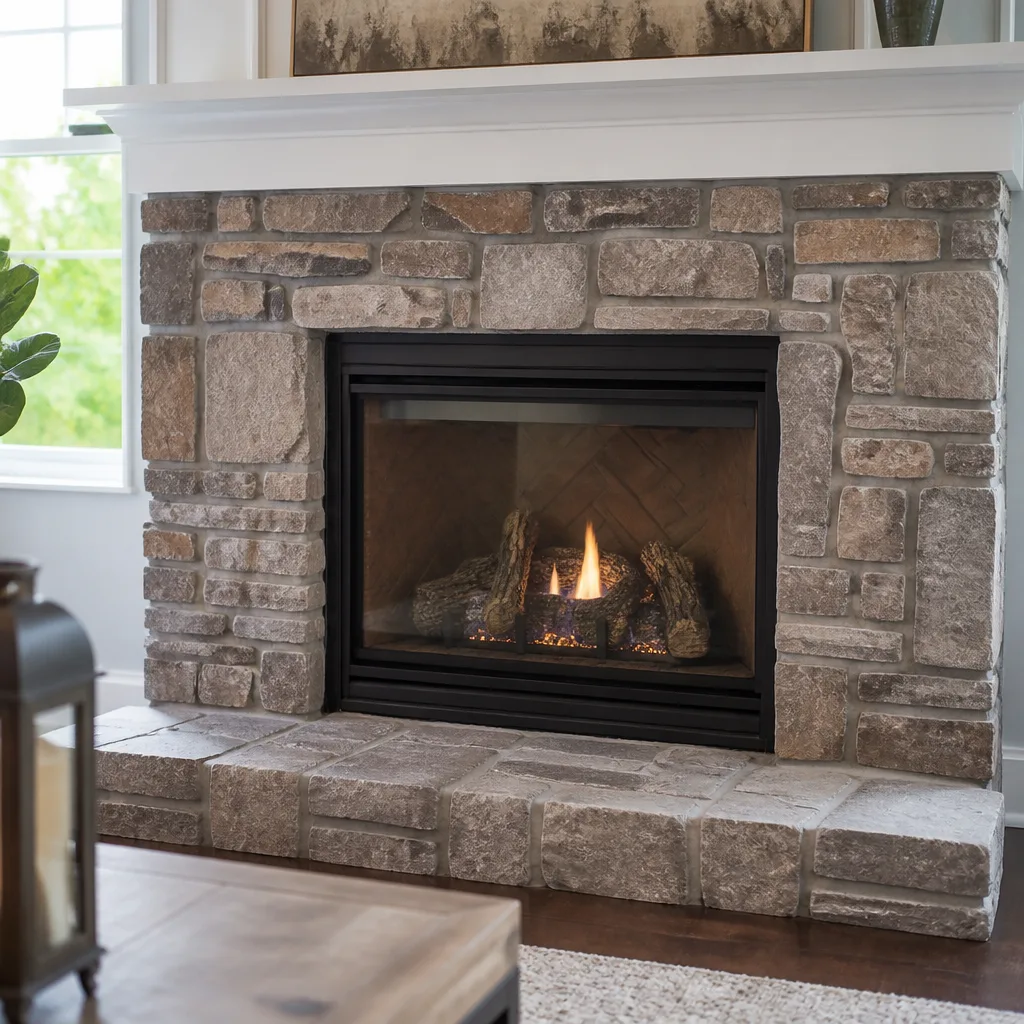
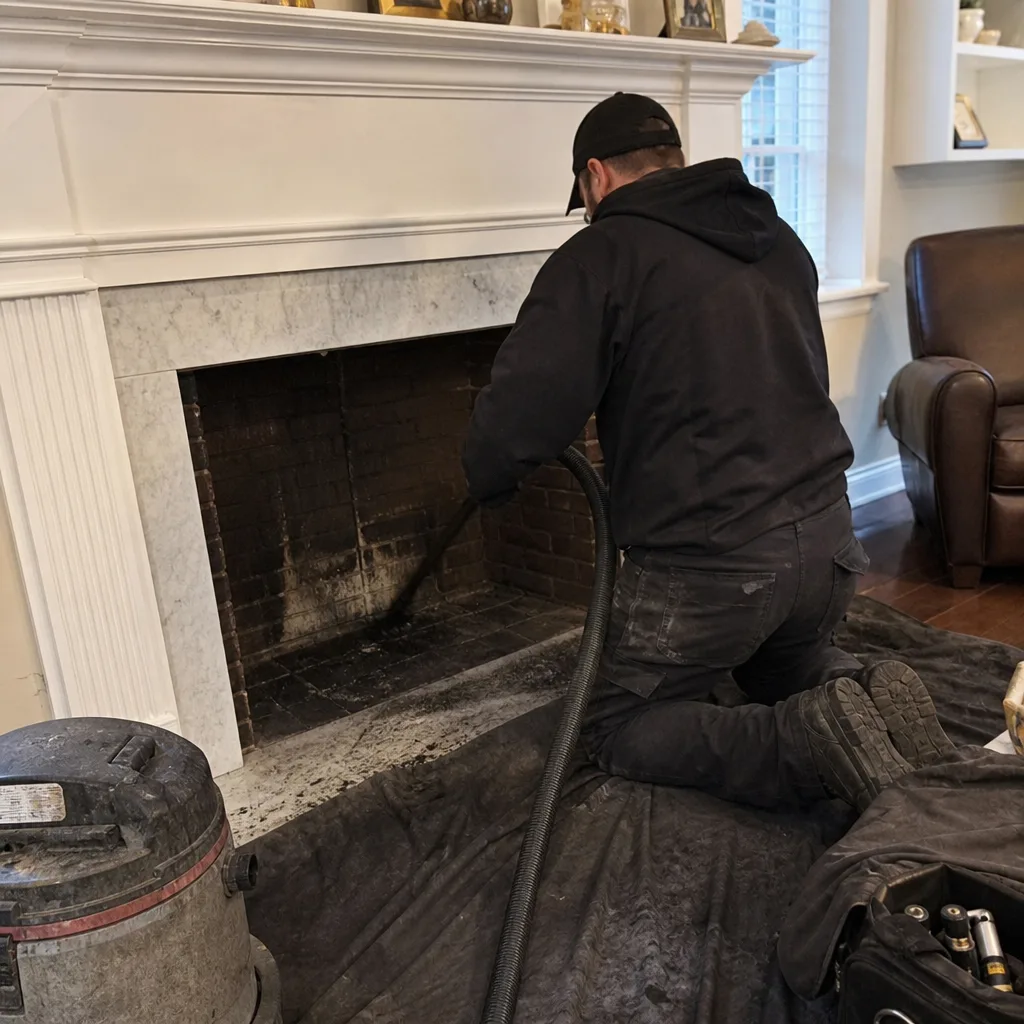 Before
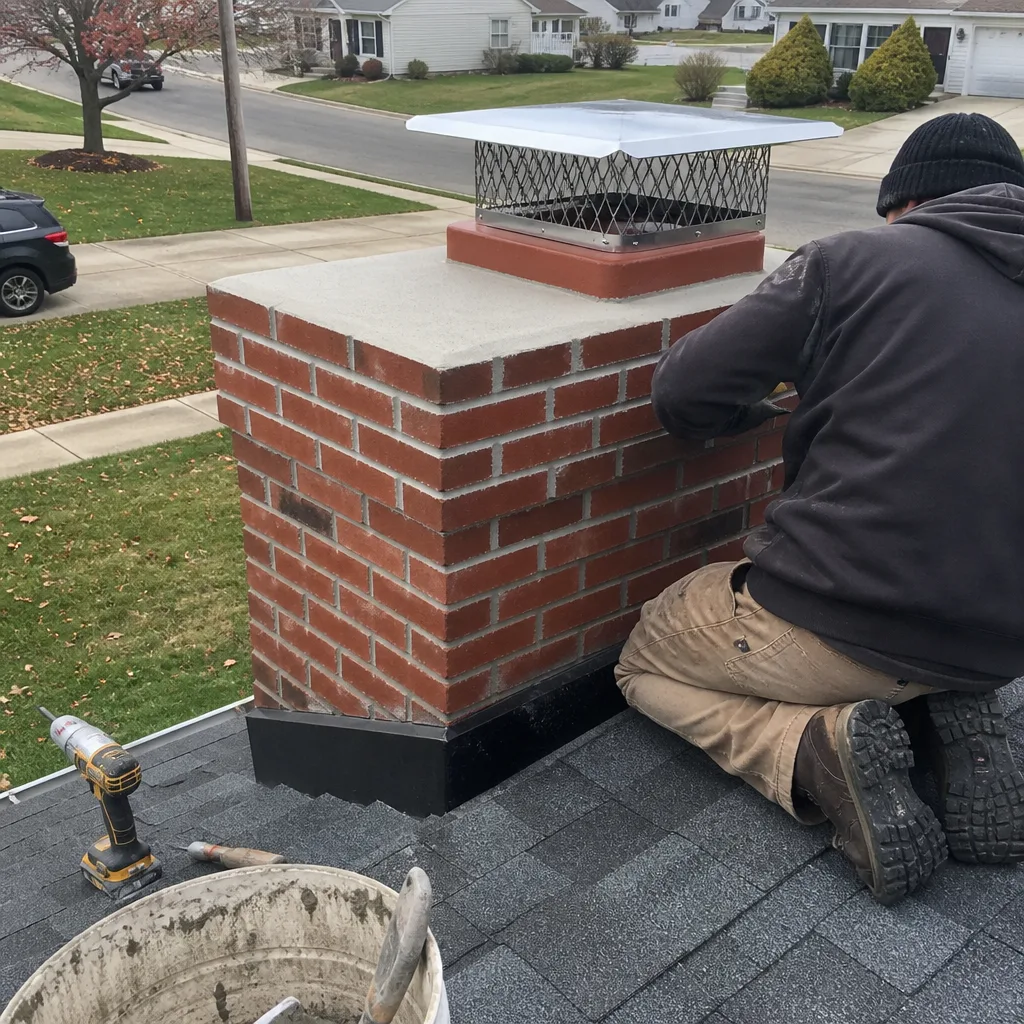 After
After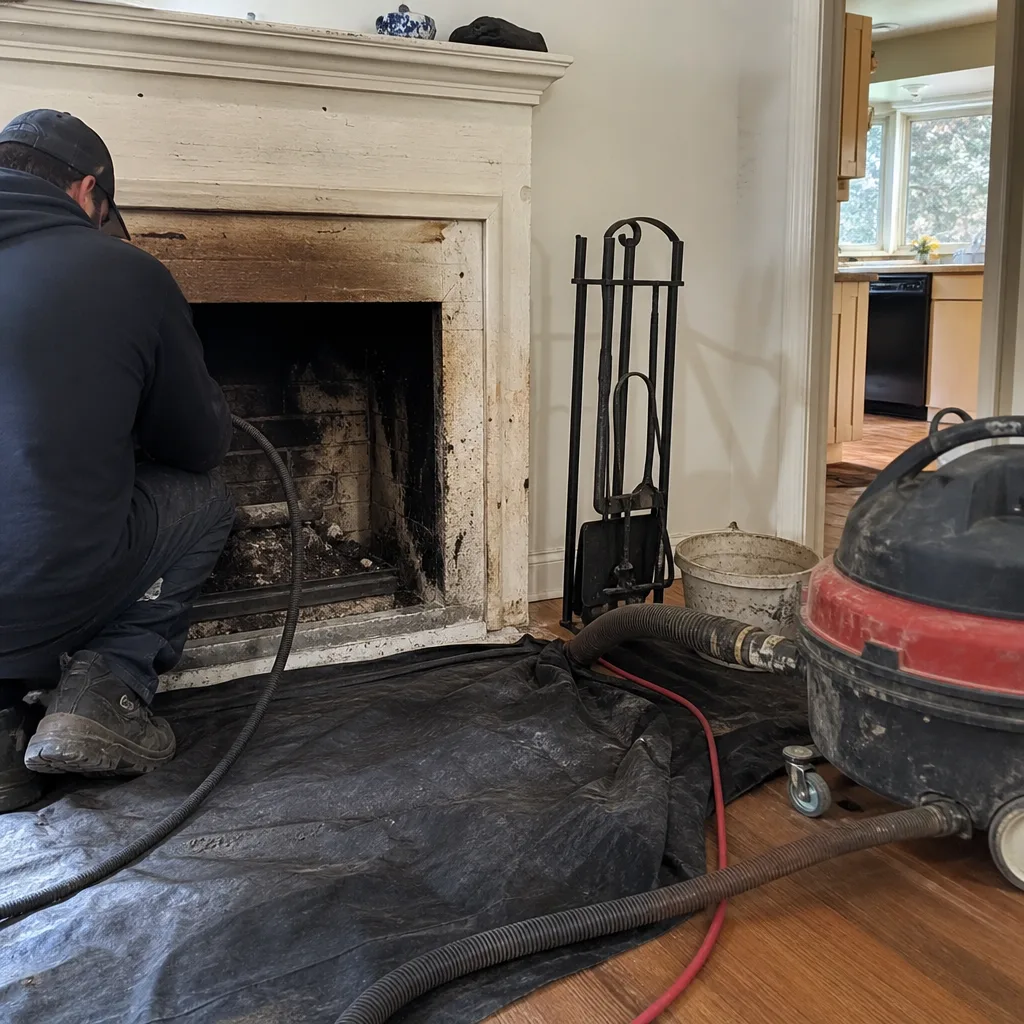 Before
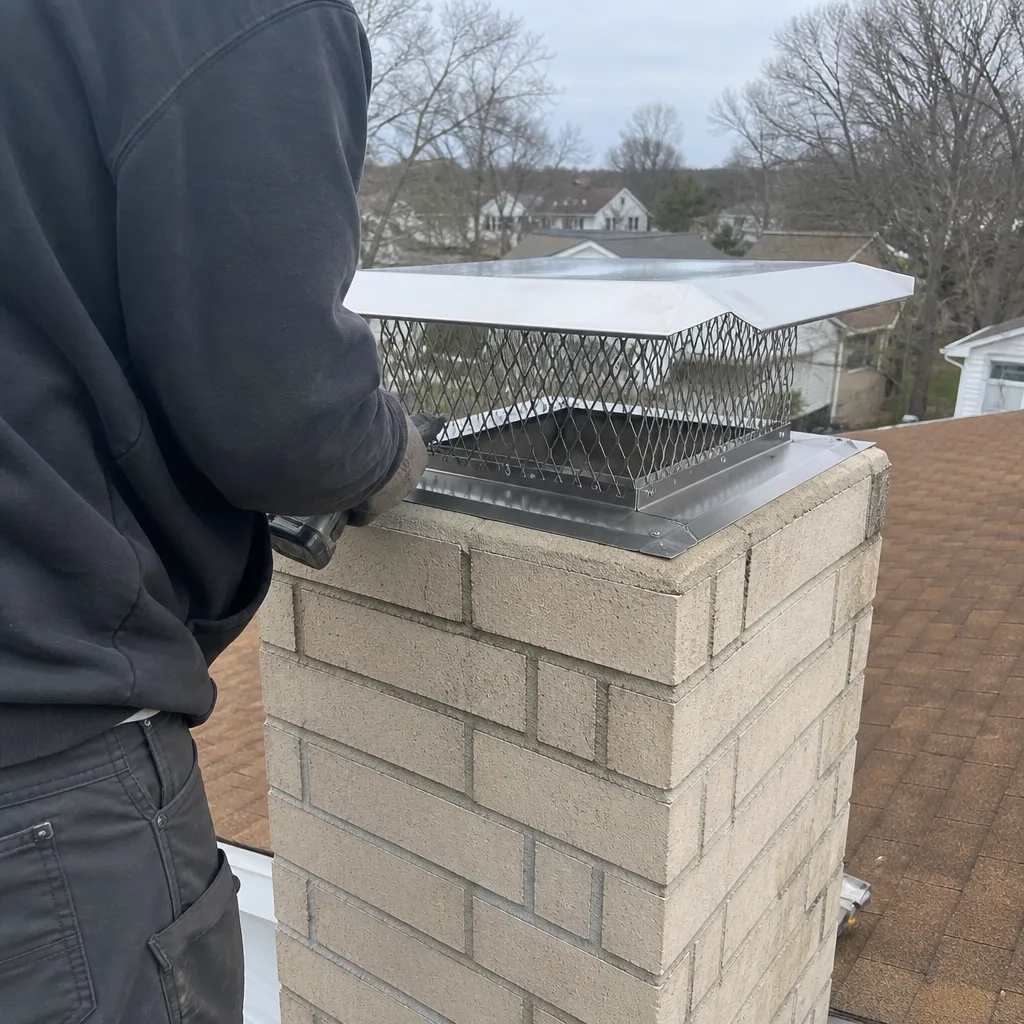 After
After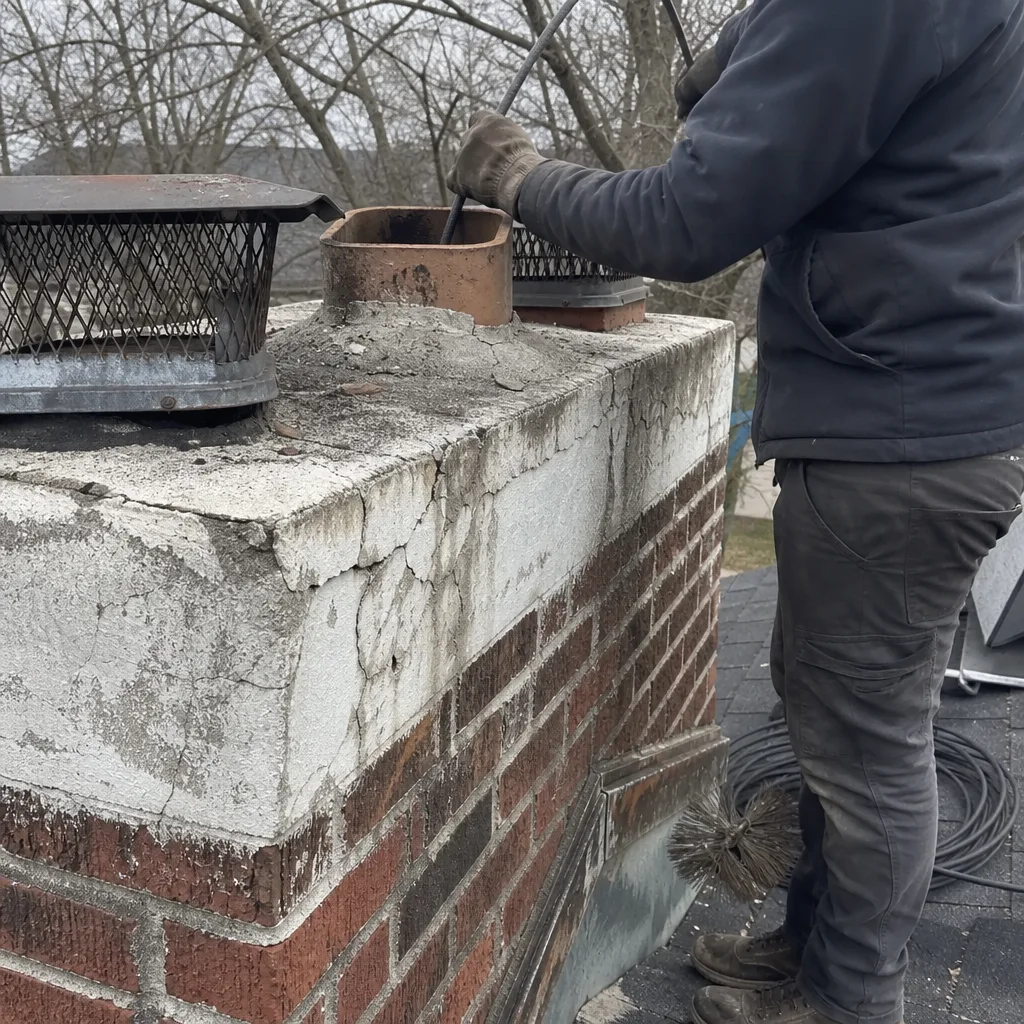 Before
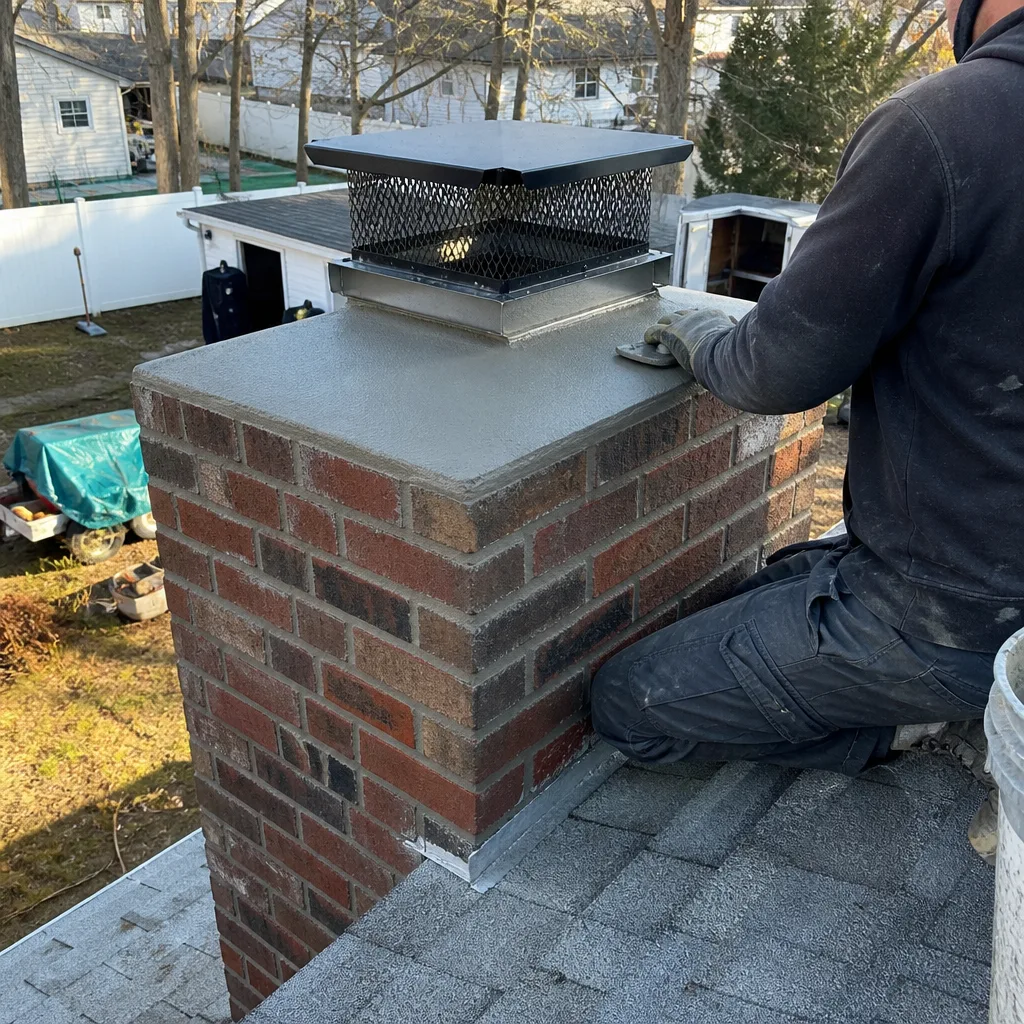 After
AfterChimney Cleaning Permits, Codes & Inspections in NJ: What You Need to Know
A liner replacement done without a municipal permit in New Jersey isn’t just a code violation - it’s the paperwork gap that an insurance adjuster will find the morning after a chimney fire, and find it first. In our 42 years serving Toms River and Ocean County, we’ve met dozens of homeowners who assumed their chimney work was “finished” because the crew packed up and left. The permit was never pulled, the inspection never scheduled, and the certificate of completion never reached their file. When the adjuster asks for documentation, the silence is expensive. This guide explains exactly what requires a permit, what doesn’t, and how to protect yourself before the work starts.
Quick Answer
Chimney cleaning and routine sweeping require no permit under New Jersey’s Uniform Construction Code. However, repairs, relining, crown rebuilding, and structural modifications almost always do - and the specific requirements vary by municipality. In Toms River, the Building Department issues permits for chimney repairs separately from general fireplace work, while neighboring townships like Brick and Manchester may bundle them under broader mechanical permits.
Table of Contents
- Cleaning vs. Repairs: The Permit Line Under NJ Code
- How Toms River Handles Chimney Permits Differently
- What Your Level 2 Inspection Report Means for Insurance
- Hidden Code Violations in Older Toms River Homes
- How to Request a Certificate of Completion
- Neighboring Ocean County Township Rules
- The Real Risk of Skipping Permits on DIY or Cash Jobs
- Common Mistakes to Avoid
- When to Call a Professional
- Frequently Asked Questions
- The Bottom Line
Cleaning vs. Repairs: The Permit Line Under NJ Code
New Jersey’s Uniform Construction Code, administered through the Department of Community Affairs, draws a clear line between maintenance and modification. Understanding this distinction saves you from unnecessary fees on one side and from unpermitted work on the other.
No permit required: Standard chimney sweeping, creosote removal, and basic visual inspections fall under routine maintenance. A certified sweep can clean your flue, inspect the accessible portions, and recommend next steps without filing paperwork with the township. This is why our Chimney Cleaning & Sweep in Toms River service moves quickly - no permit delays, no inspection scheduling, just the work done and documented with photos you receive.
Permit required: The moment work involves altering the structure, materials, or safety systems of your chimney, you cross into permit territory. This includes:
- Stainless steel liner installation or replacement
- Clay flue tile repair or replacement
- Crown rebuilding or pouring
- Chimney cap installation that modifies the flue opening
- Smoke chamber parging
- Firebox repair or refractory panel replacement
- Chimney rebuilding above the roofline
- Any work affecting clearances to combustibles
The code logic is straightforward: maintenance preserves the existing approved system; repairs or modifications change that system and must be verified by a municipal inspector. We’ve seen homeowners in Toms River’s North Dover section spend $3,200 on a liner replacement, only to learn at closing that the work lacked a required permit. The fix involved pulling a retroactive permit, paying double fees, and opening walls for inspection. The “savings” of skipping the permit cost roughly $1,800 more than doing it right.
Here’s the practical sequence we follow on every job that crosses the line:
- Our technician documents the deficiency with camera photos during the Level 2 inspection
- We provide a written scope of work with permit requirements clearly noted
- Homeowner approves the scope; we pull the permit before scheduling work
- Work proceeds using specified materials - for liners, we typically specify DuraFlex or Olympia Chimney components that meet UL 1777 standards
- Municipal inspector visits; we coordinate scheduling and access
- Certificate of completion or approved inspection card is delivered to the homeowner
The permit fee itself is modest - typically $75 to $200 in Ocean County municipalities, based on the project valuation. The protection it provides is substantial. A permitted job creates a paper trail that follows the house, satisfies insurance requirements, and confirms the work was inspected by an independent authority.
How Toms River Handles Chimney Permits Differently
Toms River’s Building Department operates under the Township’s own administrative code while following the state Uniform Construction Code as the technical standard. This creates some local wrinkles that matter if you live here or near the township borders.
First, Toms River issues chimney repair permits as a distinct category - not bundled under a general mechanical or fireplace permit. You’ll file a “Chimney Repair/Alteration” application, submit a scope of work, and pay a fee based on the estimated cost. The township requires two inspections for liner replacements: a rough inspection after old liner removal but before new liner installation, and a final inspection after completion. This two-stage process catches problems mid-job rather than after everything is sealed up.
Second, Toms River’s flood zone designation - particularly in neighborhoods like Silverton, Pelican Island, and parts of South Toms River - adds a consideration most inland municipalities don’t face. If your chimney work involves the foundation or exterior masonry below the Base Flood Elevation, the permit application may trigger a review by the township’s floodplain administrator. We’ve completed crown rebuilds on waterfront homes where this added three business days to permit approval. Not a major delay, but one that matters if you’re scheduling around weather or a pending home sale.
Third, Toms River’s inspector has specific preferences for documentation. A manufacturer’s installation instructions for the liner system must accompany the permit application. We routinely include DuraFlex or Olympia Chimney specification sheets with our permit packages - the inspector recognizes these professional-grade brands and knows the documentation will be complete. Generic or unspecified liner materials trigger questions and potential delays.
The township office is located on Washington Street, and permit applications are accepted in person or through their online portal. For chimney work, we recommend in-person submission - the clerk can flag missing items immediately, and we’ve found this saves roughly a week compared to online submissions that bounce back for corrections. Turnaround for straightforward chimney permits is typically 5 to 10 business days, though spring and early fall see backlogs as heating season approaches.
One Toms River-specific note: the township does not require a separate permit for chimney cap replacement if the cap is a direct replacement with no modification to the flue opening or crown dimensions. However, if the crown is damaged and requires rebuilding to properly seat a new cap, that crown work triggers the permit requirement. We document this distinction with photos so homeowners understand exactly where their project falls.
What Your Level 2 Inspection Report Means for Insurance
Homeowner’s insurance policies contain language that most people never read until they need it. Buried in the conditions section is typically a requirement that the home be “maintained in good repair” and that any “material alterations” be performed in compliance with applicable building codes. Your chimney is part of this.
A Level 2 inspection, as defined by the National Fire Protection Association Standard 211, is the thorough interior examination that uses video scanning equipment to evaluate flue condition, liner integrity, and creosote buildup. The report that follows is not just a maintenance record - it’s potential evidence in an insurance claim.
Here’s how this plays out in practice. A Toms River homeowner in the Cranmoor section had a chimney fire in January 2023. The fire department responded, damage was contained to the flue and smoke chamber, and the homeowner filed a claim. The adjuster requested:
- Proof of annual chimney inspection (the homeowner had none)
- Documentation of any prior repair work (a liner had been installed three years earlier)
- Permit records for that liner installation (no permit had been pulled)
The claim was denied. The policy language required code-compliant maintenance and modifications. The unpermitted liner installation gave the insurer a clear exit, and the lack of inspection records suggested neglect. The homeowner paid roughly $8,400 out of pocket for repairs that insurance would have covered with proper documentation.
We recommend a specific protocol for our clients:
- Schedule Level 2 inspections annually if you burn wood regularly, or every two years for gas or oil systems
- Request the complete photo and video files, not just the summary report
- Store these with your homeowner’s insurance policy documents
- Proactively share significant findings - especially recommendations for liner replacement or repair - with your insurance agent
- Confirm in writing that any recommended work will be permitted and inspected before authorizing the job
Some carriers now offer premium discounts for documented chimney maintenance. We’ve had clients in Toms River’s Pleasant Plains neighborhood receive 5% reductions after providing three years of Level 2 inspection reports. The documentation costs nothing extra - we include it with every inspection - and the discount often covers the inspection fee itself.
The critical point: an inspection report without follow-through can hurt more than help. If a Level 2 identifies a hazardous condition and you don’t address it, the insurer may argue you had knowledge of the risk and failed to act. We date every recommendation, note urgency levels, and provide written estimates so there’s no ambiguity about what was advised and when.
Hidden Code Violations in Older Toms River Homes
Toms River’s housing stock includes significant construction from the 1960s through 1980s - neighborhoods like Brookside Estates, Windsor Park, and parts of Downtown Toms River feature homes built before modern clearance requirements were widely enforced. These houses often contain code violations that owners don’t discover until a sale inspection or, worse, a fire.
The most common violation involves clearances to combustibles around the fireplace opening. Current NFPA 211 and International Residential Code standards require specific minimum distances between the firebox and surrounding framing, mantels, and trim. In older construction, builders often relied on single-wall metal thimbles or inadequate masonry clearance that no longer meets code.
We find this regularly in Toms River’s ranch-style homes from the 1970s. The original construction may have passed inspection under earlier standards, but any modification - even a new mantel installation - triggers current code requirements. We’ve removed mantels that homeowners installed themselves, proud of their weekend project, only to find the wood was within 6 inches of the firebox opening with no non-combustible shielding. The fix involves either relocating the mantel or installing an approved heat shield, typically adding $400 to $800 to what seemed like a finished job.
Another hidden issue: chimney chase construction in homes with factory-built fireplaces. The chase - the framed enclosure around the metal chimney - must be lined with proper fire-rated materials and maintain clearances to the flue pipe. In Toms River’s beach-area homes, we’ve found chases built with standard plywood and house wrap, with the flue pipe nearly touching the framing. Salt air accelerates corrosion, the chase siding fails, water enters, and the compromised structure becomes a fire pathway. Our Chimney Repair in Toms River service addresses these with chase rebuilds using proper materials, but the initial discovery often surprises homeowners who assumed their “brick chimney” was solid masonry.
The code violation that generates the most calls: wood stove installations on hearths too small for the appliance. NFPA 211 specifies minimum hearth extensions based on the appliance type and whether the door opens toward the room. A stove set on a 1970s hearth designed for a smaller unit may need 18 inches of additional non-combustible surface in front. We’ve extended hearths with slate, tile, or steel panels - the material must be approved, and the work typically requires permit and inspection.
Our Level 2 inspection protocol specifically measures and documents clearances. We photo-map the firebox-to-mantel dimension, the hearth extension, and any visible framing near the chimney structure. These measurements go into your report with code references, so you have documentation whether or not you choose to address the issue immediately.
How to Request a Certificate of Completion
The certificate of completion is the document that closes the loop on permitted work. Without it, you have a permit application but no proof the work passed inspection. This distinction matters for insurance, resale, and your own records.
Here’s what happens when work is done correctly:
- Contractor pulls permit before starting work
- Work proceeds according to approved scope and code requirements
- Contractor schedules rough inspection (if required for the project type)
- Corrections, if any, are made and re-inspected
- Final inspection is scheduled and passed
- Building Department issues certificate of completion or stamps the inspection card
- Contractor provides copy to homeowner
The problem: not all contractors complete step seven. Some assume the homeowner doesn’t care. Some don’t want to admit the final inspection hasn’t happened because they know of a deficiency. Some simply lose track in the rush to the next job.
We make this explicit in our process. When you authorize work that requires a permit, we provide a written timeline that includes: permit application date, expected approval date, work start date, inspection scheduling, and certificate delivery. The 90-Day Done Right Promise covers this - if any step is missed, we make it right, in writing, no arguing. The certificate goes in your hand, not just our file.
What to ask for specifically:
- The stamped or signed inspection card showing final approval
- A copy of the permit application showing the scope of work
- Manufacturer’s installation instructions that were filed (for liner work, this documents the DuraFlex, Olympia Chimney, or other system used)
- Written warranty from the contractor separate from the manufacturer’s warranty
Store these with your deed, mortgage documents, and insurance policy. When you sell, the buyer’s inspector will ask. When you claim, the adjuster will ask. When you need to prove the work was done right, you’ll have it.
In Toms River, you can also verify completion through the Building Department’s online permit history. Enter your address and the permit number; approved inspections show with dates and inspector initials. We provide the permit number in our completion packet so you can verify independently.
Neighboring Ocean County Township Rules
Ocean County’s municipalities don’t move in lockstep on chimney permits. If you live near a township border - perhaps in Toms River but closer to Manchester’s Whiting section, or in a Toms River ZIP that overlaps Brick’s permitting authority - understanding local differences prevents jurisdiction confusion.
Brick Township bundles chimney work under its “Mechanical/Fireplace” permit category. The fee structure is higher than Toms River’s - typically 20% to 30% more for comparable scope - but Brick requires only a single final inspection for most liner replacements, not the two-stage process Toms River uses. Brick’s inspector also accepts digital submission of manufacturer documentation, which can speed approval if you have clean PDFs of the DuraFlex or Olympia Chimney specs.
Manchester Township uses the Ocean County Construction Department for permit administration rather than maintaining its own building office. This centralizes the process but can add time - applications route through the county seat in Toms River, then to a county inspector for scheduling. Manchester homeowners often wait 10 to 14 business days for chimney permit approval, compared to Toms River’s typical 5 to 10. The tradeoff is consistency: the same county inspector handles Manchester, Jackson, and several other townships, so the standards don’t vary by local interpretation.
Berkeley Township and Island Heights both require special consideration for coastal flood zones similar to Toms River’s waterfront areas. Any chimney work that affects the building envelope or foundation in these areas may need additional documentation from the township engineer.
The practical implication: if you’re selecting a chimney contractor, confirm they’ve worked in your specific municipality recently. The procedures change, and a contractor who knows Toms River’s two-inspection requirement but assumes Brick works the same way can cause delays. We’ve maintained active permit status in all Ocean County municipalities for decades - it’s part of doing the job correctly.
The Real Risk of Skipping Permits on DIY or Cash Jobs
The “cash discount” or “no permit needed, saves you money” offer should be an immediate red flag. Not because the work will necessarily be bad, but because the risk transfer is complete and one-directional: you assume every consequence, the contractor assumes none.
Consider the scenarios:
Insurance denial after fire: As noted earlier, unpermitted work gives insurers a clear policy exclusion to invoke. The contractor is long gone, possibly unidentifiable, and you’re left with the damage.
Resale complications: New Jersey’s seller disclosure form asks directly about permits for structural work. A “no” or “don’t know” on chimney repairs triggers buyer scrutiny. We’ve been called to inspect homes in Toms River’s Westlake Village where the seller’s “minor crown repair” from five years earlier had no permit. The buyer’s lender required permit documentation before closing. The delay cost the sale’s original timeline, and the seller ended up paying rush permit fees plus our inspection to document current condition.
Code enforcement action: Less common but not rare - a neighbor’s complaint, a FEMA inspection after storm damage, or a routine exterior inspection by the township can reveal unpermitted work. The penalty in Toms River starts with a stop-work order and can escalate to fines of $100 to $500 per day until the situation is remedied. Remediation means applying for the permit retroactively, which often requires opening finished work for inspector access.
Mechanical failure with no recourse: A liner installed without permit or inspection fails within two years - separated joints, improper sizing, or incompatible material for the fuel type. The cash contractor has no business address, no bond, no insurance claim process you can access. The “warranty” was verbal and evaporated with the phone number.
We document everything - permits, inspections, photos, manufacturer specifications for the Famco caps or Copperfield components we install, written warranty under our 90-Day Done Right Promise. See our more guides & resources for additional homeowner protection strategies. This documentation costs us time and the permit fee costs money. The protection it provides you is worth multiples of that investment. A square deal: no surprises on the bill, and no surprises when you need proof the work was done right.
Common Mistakes to Avoid
- Assuming cleaning and repairs share the same permit rules. They don’t. Sweeping requires none; liner replacement always does in Toms River. Verify which category your project falls into before work begins.
- Hiring a contractor who “handles permits” without showing you the application. We’ve seen homeowners discover no permit was ever pulled - the contractor pocketed the “permit fee.” Request a copy of the filed application with the township stamp.
- Installing a new fireplace insert without checking if the existing chimney is rated for it. Toms River’s older homes often have unlined chimneys or clay liners incompatible with high-efficiency inserts. The insert installation requires permit and liner verification; skipping this risks overheating and structure fire.
- Accepting a verbal “it’s fine” instead of a written Level 2 report. Your insurance company and the next buyer will want documentation. Photos you can see, a plain-English verdict - in writing.
- Ignoring flood zone requirements in waterfront neighborhoods. Silverton, Pelican Island, and parts of South Toms River have specific elevation and materials requirements. Standard chimney work may need modification to comply.
- Storing certificates in the contractor’s file only. We’ve been called to reconstruct documentation for homeowners whose contractor retired or relocated. Keep your own complete file.
- Waiting for the home sale to discover permit gaps. The time to verify is when work is fresh. Pull your property’s permit history online; it’s public record in Toms River and most Ocean County municipalities.
When to Call a Professional
Call when you smell smoke where it doesn’t belong, when your fireplace smokes back into the room, or when any contractor recommends work without offering to show you camera evidence of the problem. Call before burning season if your chimney hasn’t been inspected in two years or more. Call if you’re buying a home and the seller’s disclosure mentions “recent chimney work” without permit documentation.
Hearthstone Chimney Co. offers free estimates in Toms River - call (609) 303-9679. We’ll inspect, photograph, explain what we found, and tell you plainly whether the work can wait, what it will cost, and what permits it will require. No pressure, no surprises. We’ll be there when we say.
Frequently Asked Questions
No. Routine chimney sweeping, creosote removal, and basic visual inspection require no permit under New Jersey’s Uniform Construction Code. However, if the sweep discovers damage and you proceed with repairs or relining, those modifications typically do require permit and inspection. Call (609) 303-9679 for a free estimate - we’ll identify what requires permitting before any work begins.
Most stainless steel liner replacements in Toms River range from $2,800 to $4,500 including permit, inspection, and professional-grade materials from manufacturers like DuraFlex or Olympia Chimney. Variables include flue length, number of appliances connected, and whether the smoke chamber needs parging. The permit fee itself is typically $100 to $175. We provide no-hassle upfront pricing - the number on the estimate is the number on the invoice.
You risk insurance denial after a fire, complications when selling your home, and potential code enforcement fines if discovered. In Toms River, unpermitted structural work can trigger penalties of $100 to $500 per day until remediated. The “savings” of skipping the permit rarely survive first contact with an insurance adjuster or buyer’s attorney.
Annually if you burn wood regularly; every two years for gas or oil systems; and immediately upon buying a home, after a chimney fire, or before installing a new appliance. In Toms River’s coastal climate, salt air accelerates metal component corrosion, so we recommend erring toward annual inspection for waterfront homes. The inspection includes photos you receive and a plain-English verdict on condition and any needed repairs.
Most policies don’t mandate annual inspections explicitly, but they do require the home be “maintained in good repair” and that modifications meet code. A documented Level 2 inspection history strengthens your position if you ever file a claim. Some carriers offer maintenance discounts for documented chimney care. Call your agent to ask - the inspection pays for itself if you qualify.
Homeowners can pull their own permits, but we don’t recommend it. The permit holder becomes responsible for code compliance and inspector coordination. If you pull the permit and the work fails inspection, you’re the responsible party. When Hearthstone pulls the permit, we coordinate inspections, address corrections, and deliver the completion certificate - part of doing the job correctly from start to finish.
The Bottom Line
Chimney cleaning itself is free of permit requirements in New Jersey, but the repairs that follow inspection frequently are not - and the distinction matters most when something goes wrong. In Toms River and Ocean County, permit rules vary by municipality, insurance policies reward documentation, and older homes hide code violations that only a camera inspection reveals. The certificate of completion belongs in your home file alongside the deed. The time to verify permits is before the work starts, not when the adjuster asks. Done right - and we stand behind it.
Written by Russell Haines, Owner at Hearthstone Chimney Co., serving Toms River since 2014.