
Last updated September 10, 2026
Level 1 sweep and inspection to the NFPA 211 annual standard - flue, crown, cap, and flashing checked and photographed
Chimney sweep logs do not sweep chimneys. They loosen some creosote - which then falls where a brush and vacuum still have to collect it.
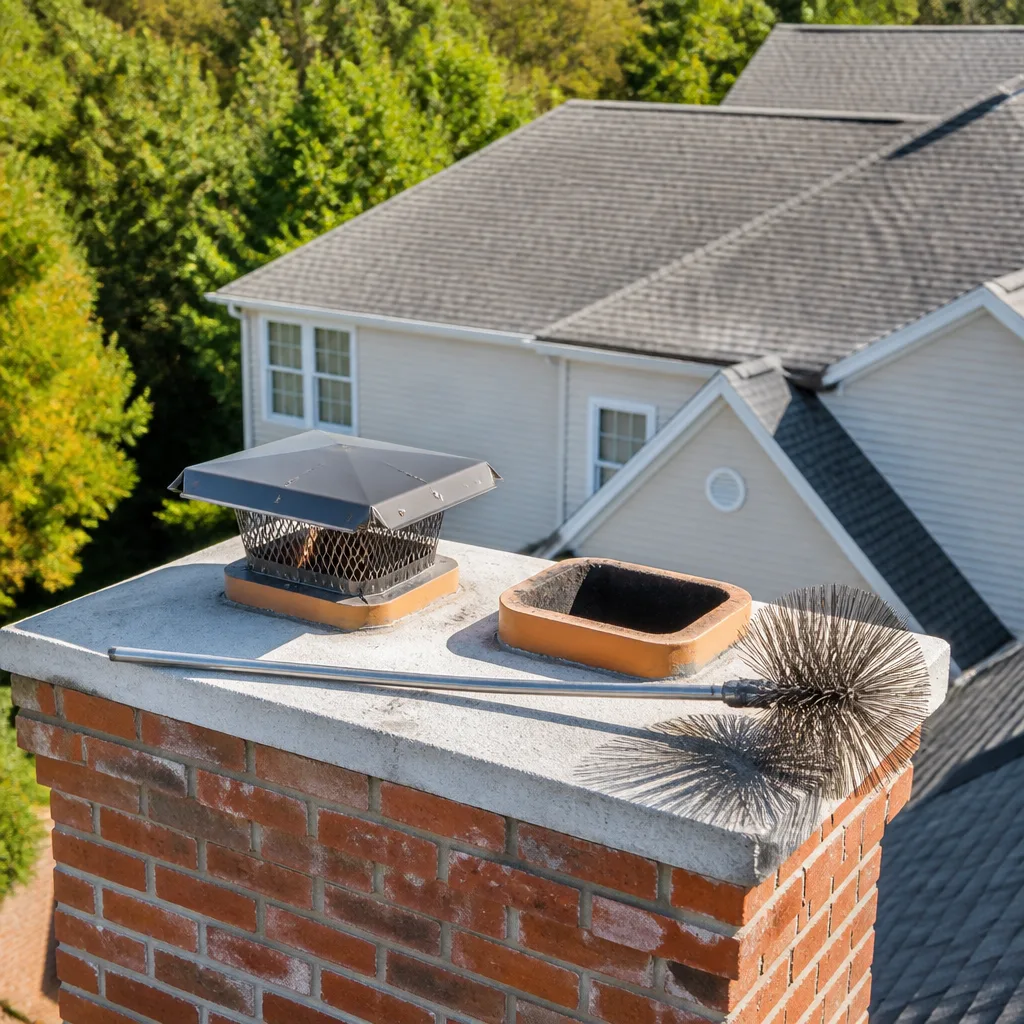
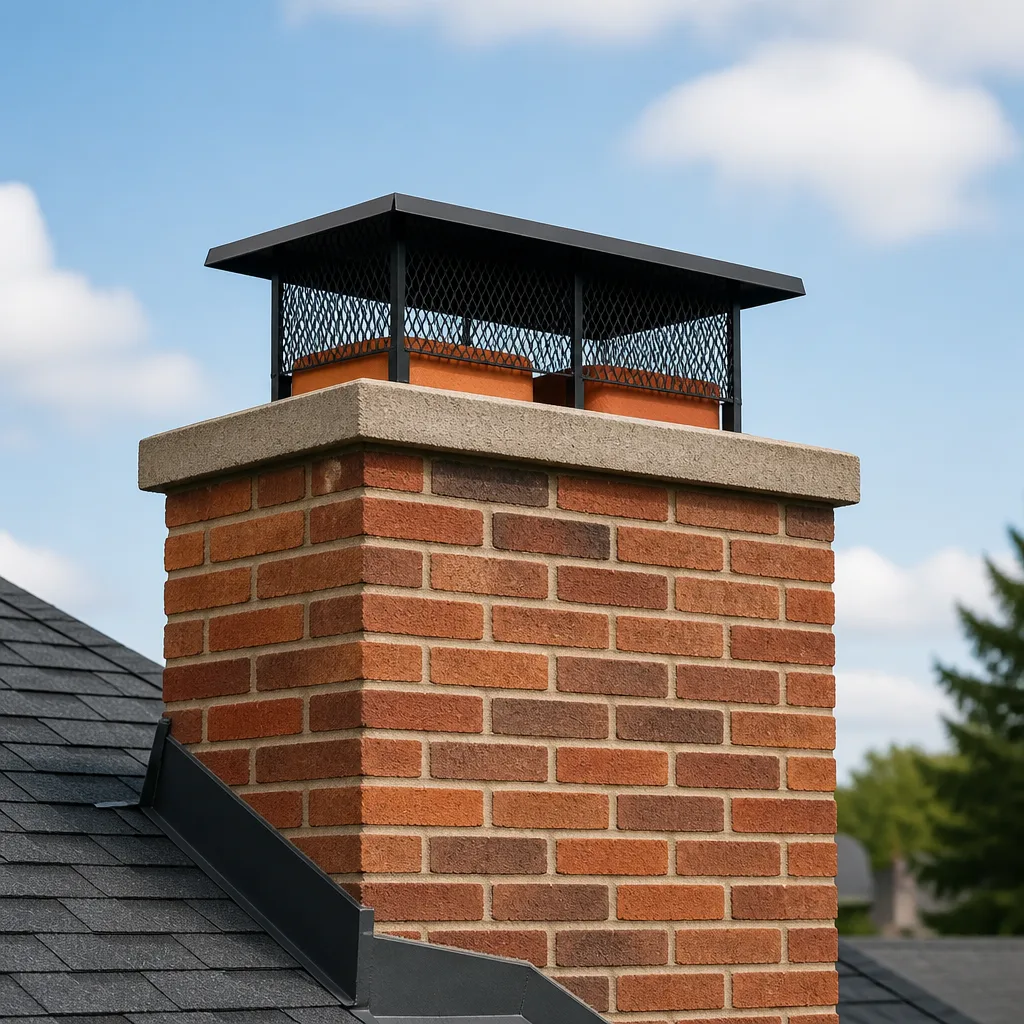
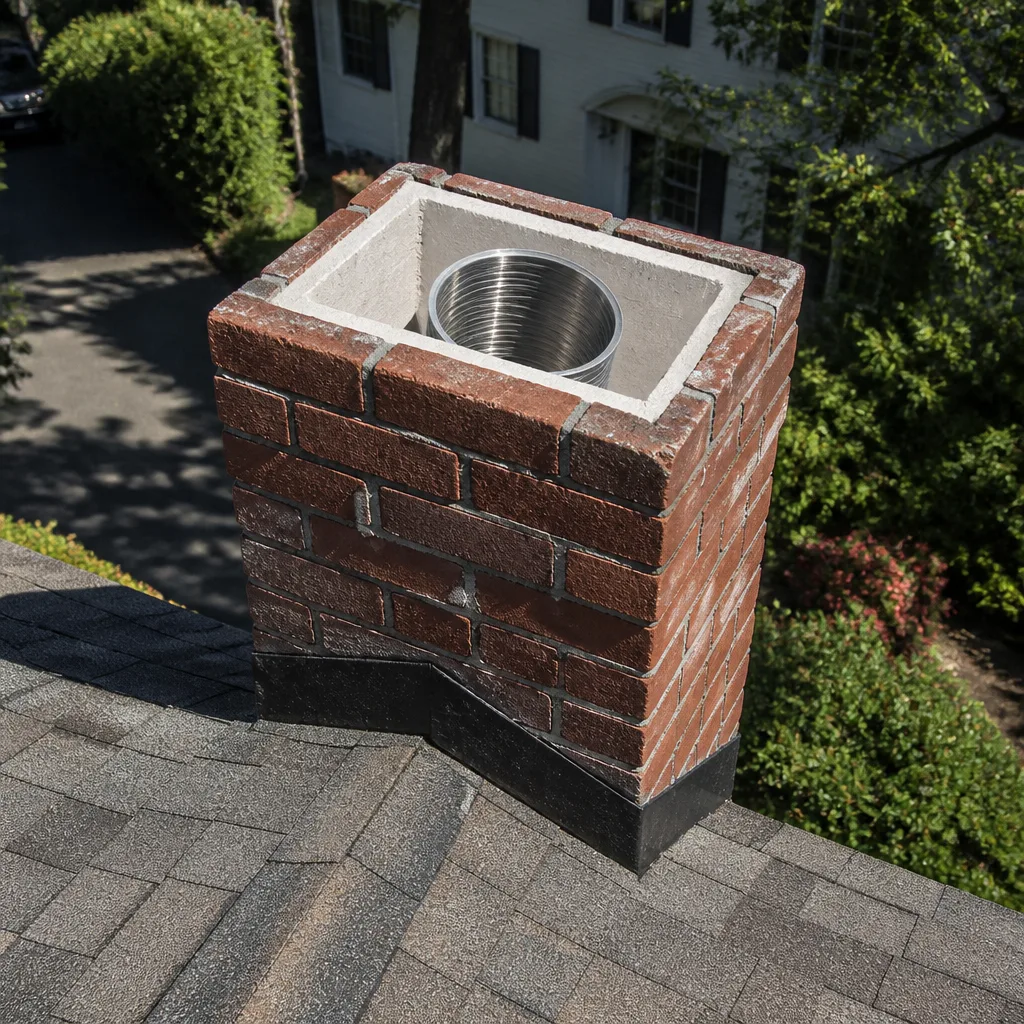
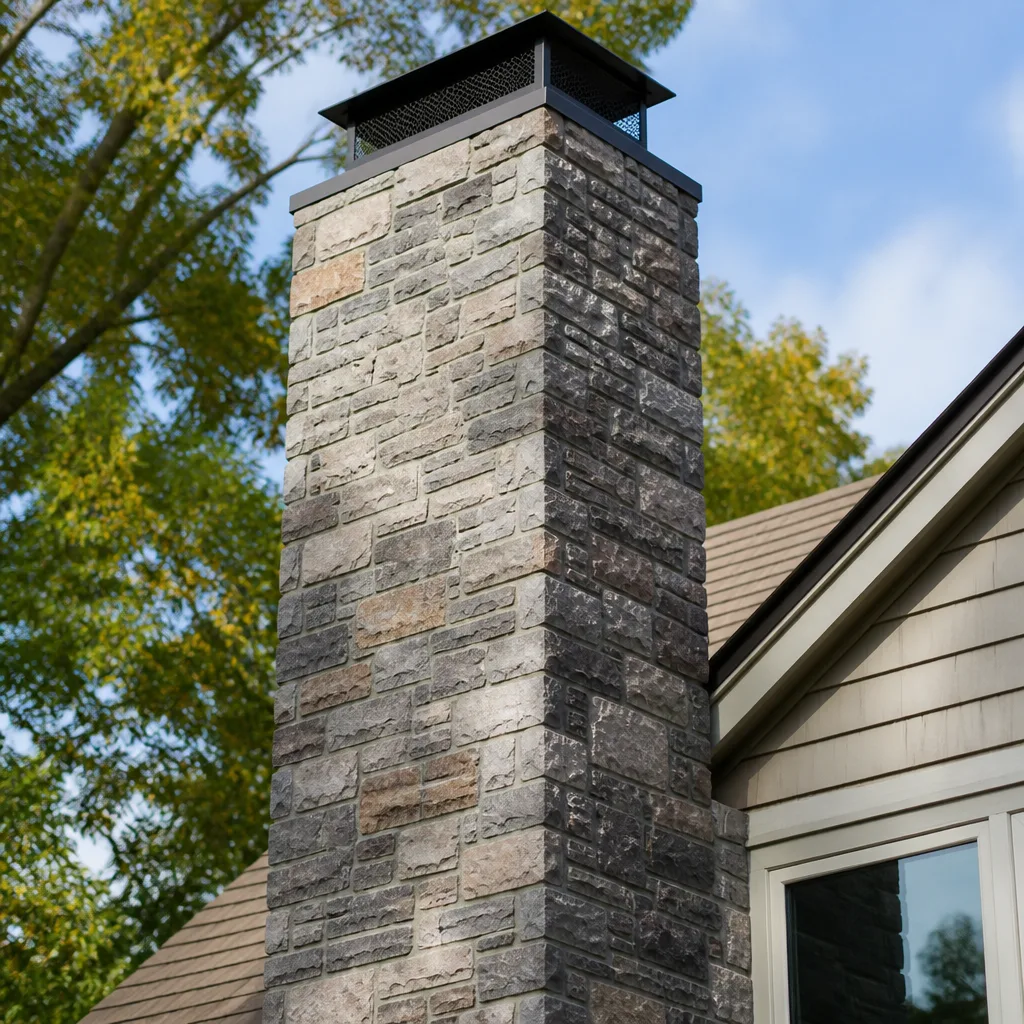
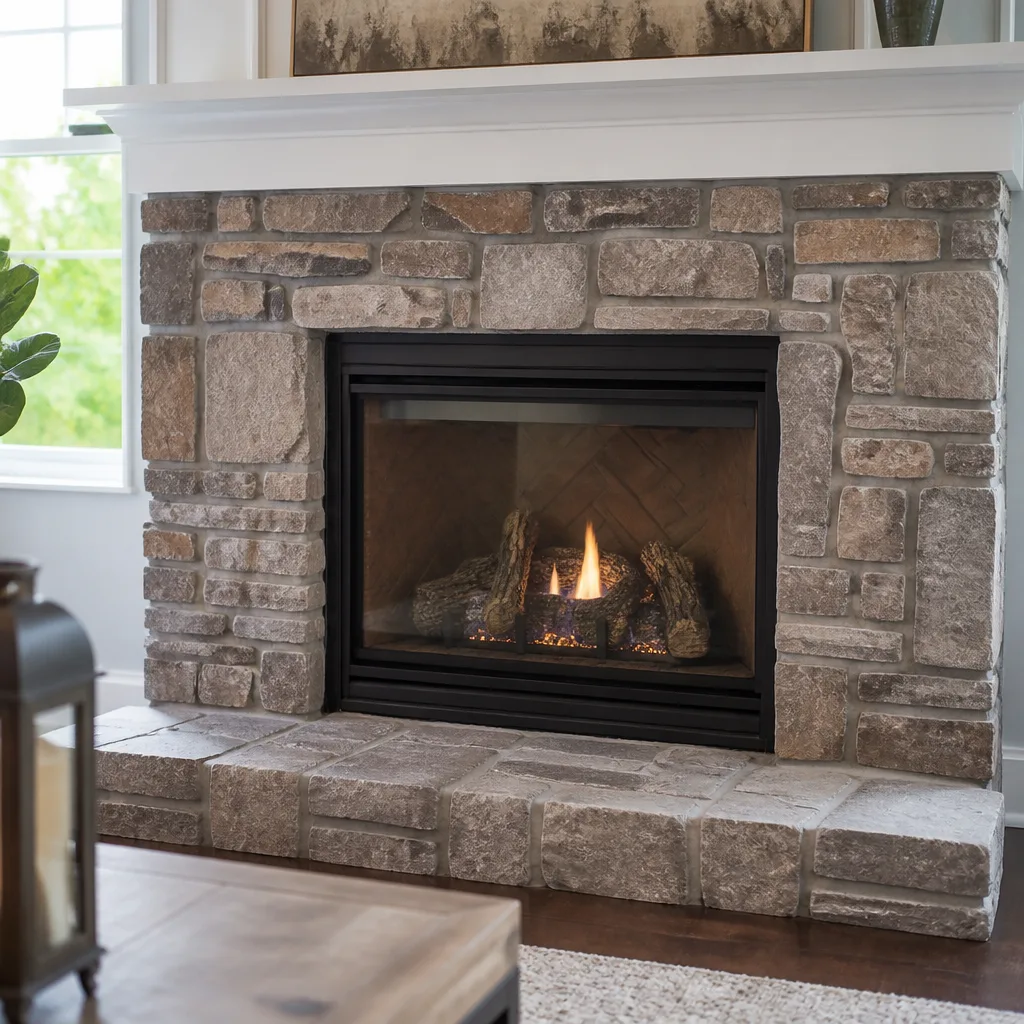
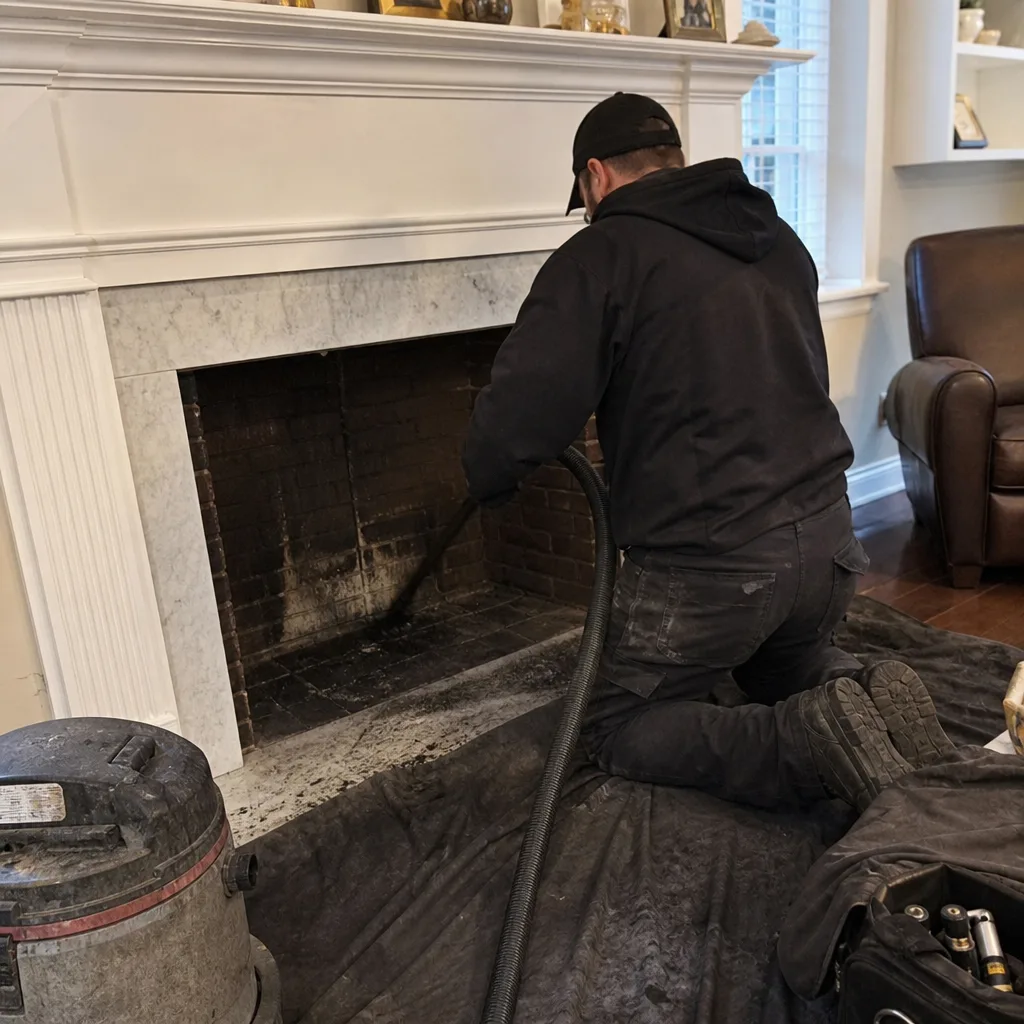 Before
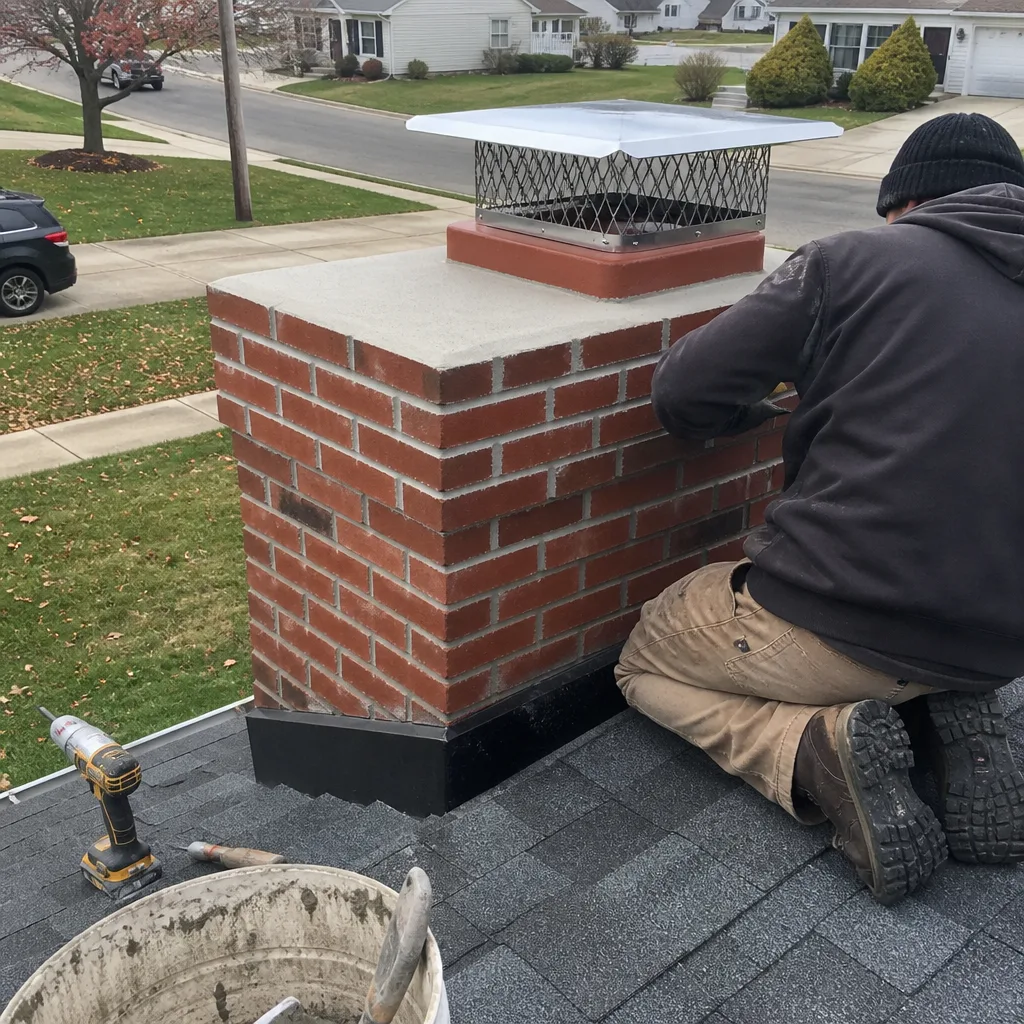 After
After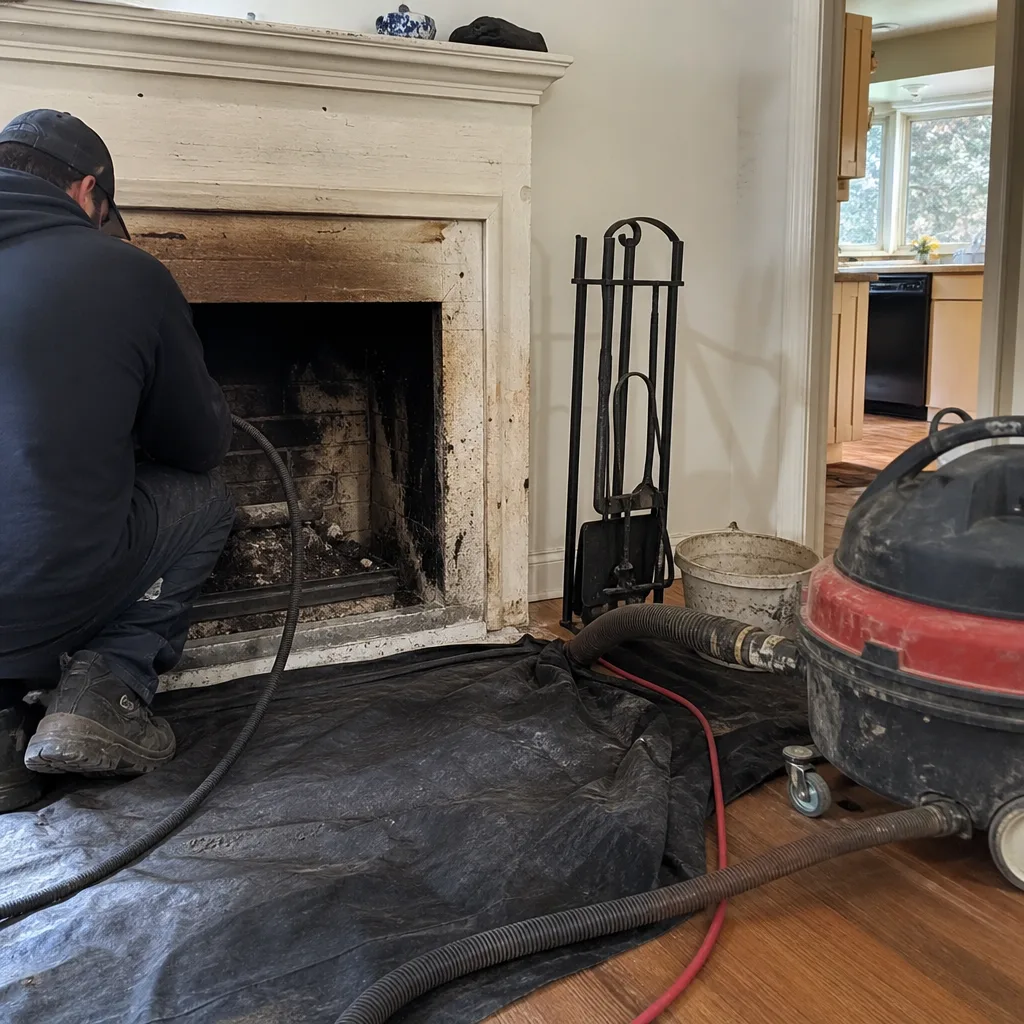 Before
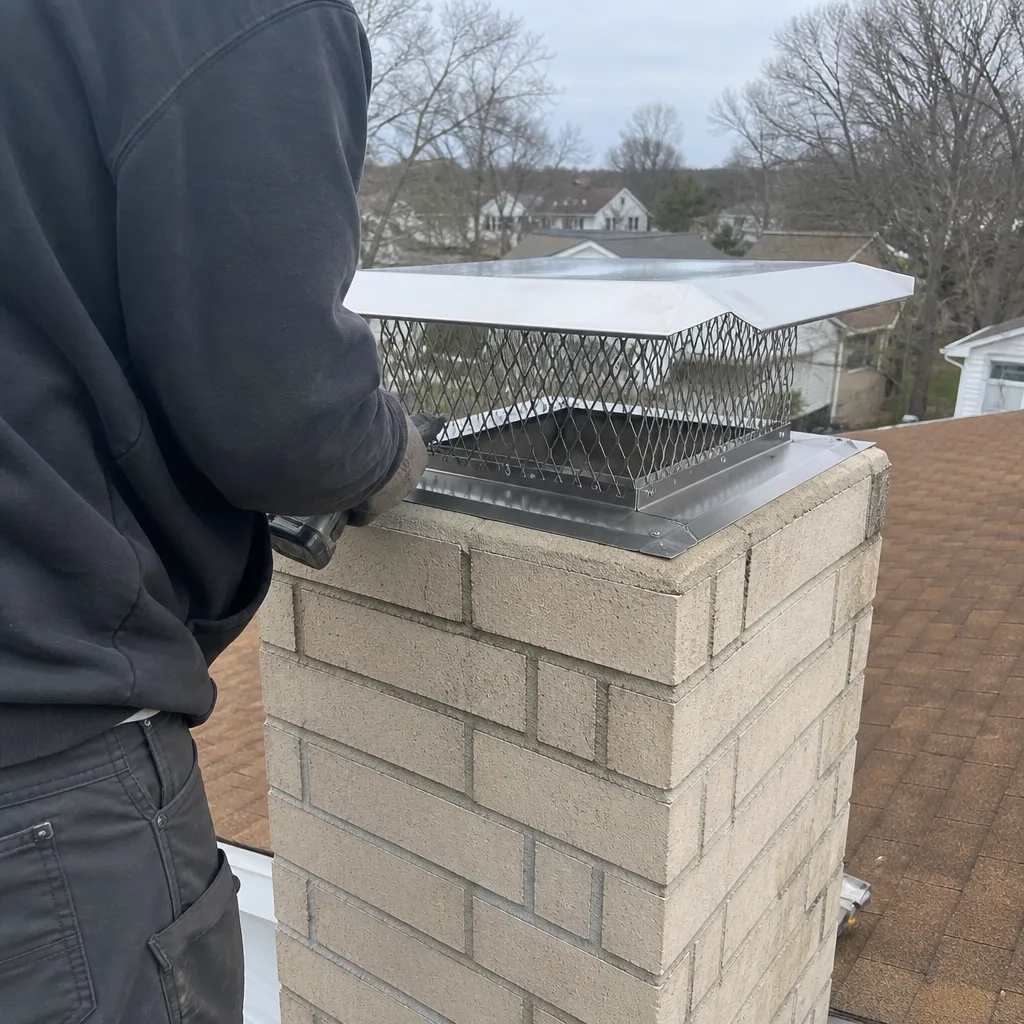 After
After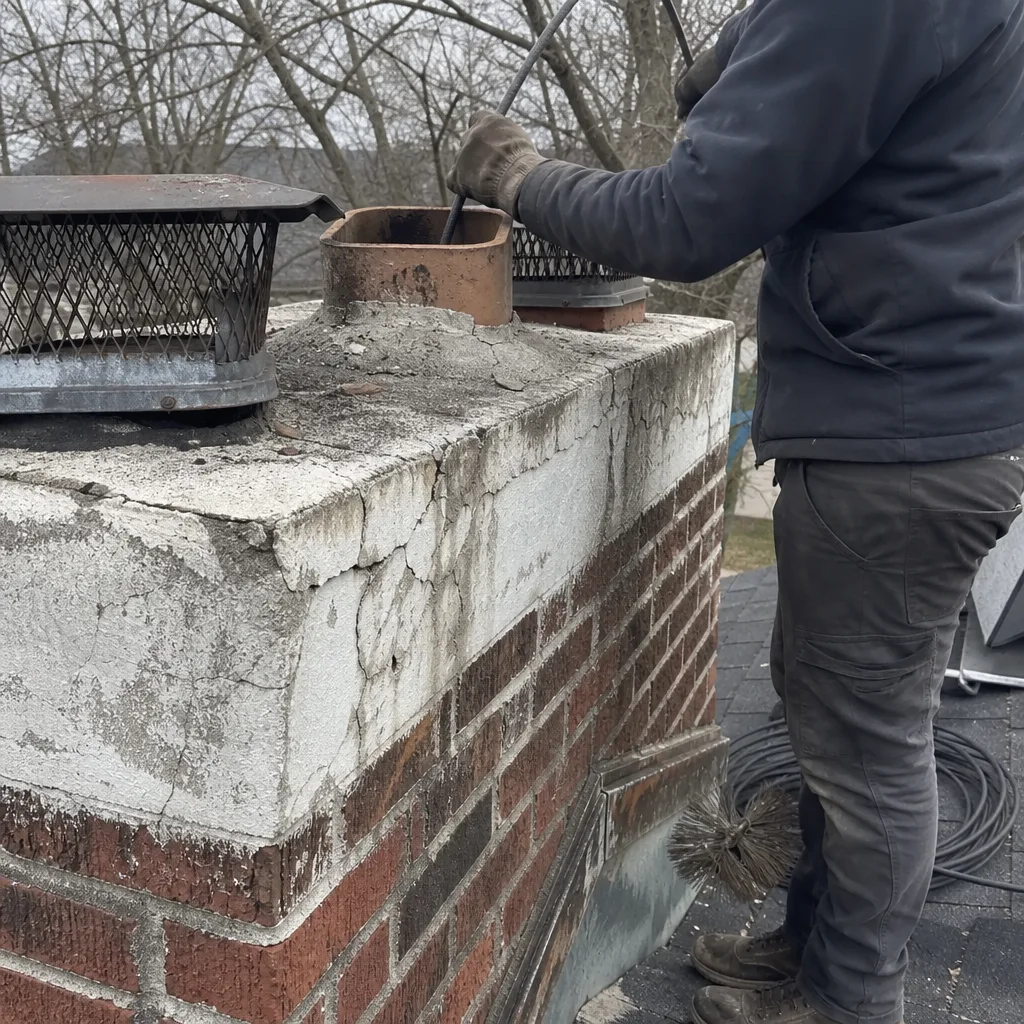 Before
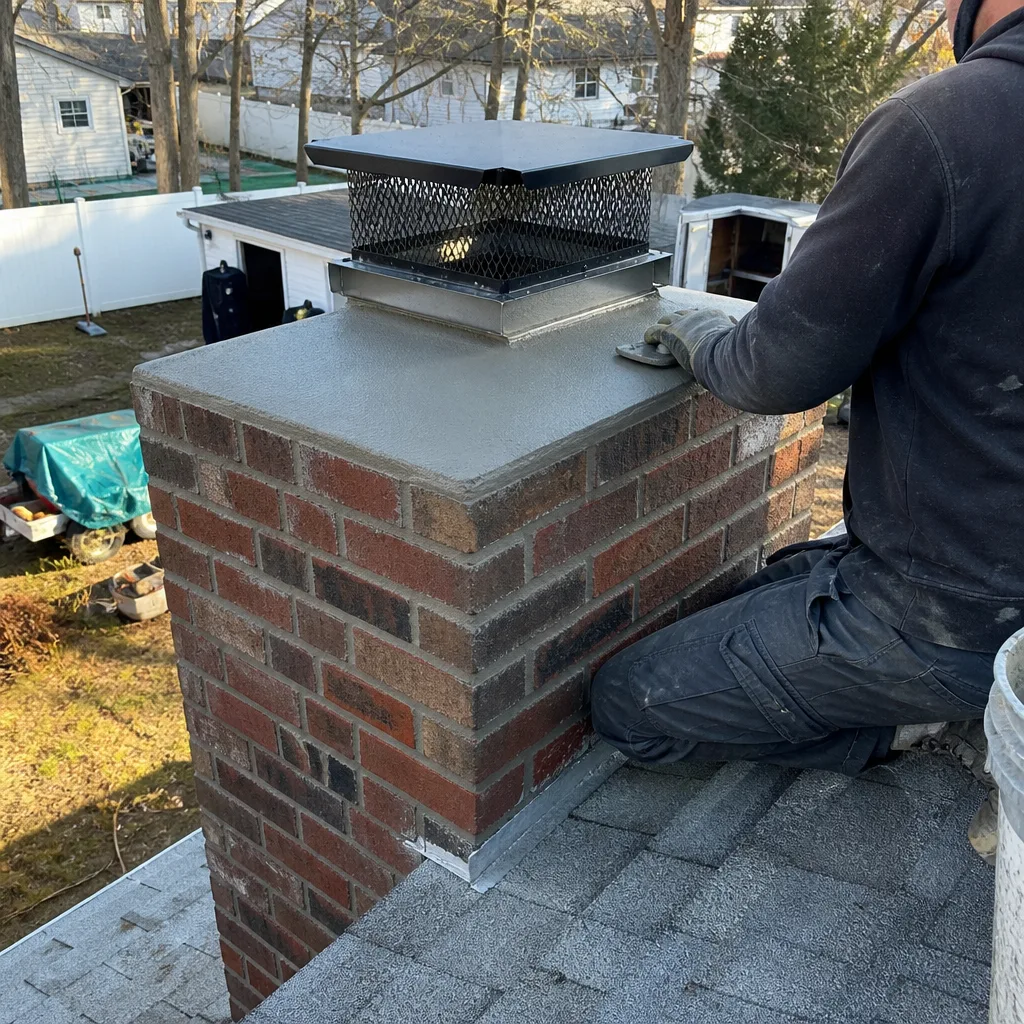 After
AfterChimney Cleaning Warning Signs: A Toms River Homeowner’s Reference Guide
A white haze on the exterior masonry above your roofline is called efflorescence, and it means water is moving through your chimney structure. It’s been telling you something is wrong for months. Most homeowners in Toms River mistake it for normal weathering. In our 42 years serving Ocean County, we’ve found that the most dangerous chimney problems give homeowners weeks of legible warning. The issue is that most people have never been taught what to read. This guide will show you the seven physical signs visible from the ground, what your nose and fireplace behavior are trying to tell you, and how to know when a warning sign means “schedule soon” versus “call today.”
Quick Answer
The most critical chimney warning signs for Toms River homeowners are: visible white efflorescence or spalling bricks on exterior masonry, campfire or sulfur odors indoors, smoke that rolls back into the room, and staining on interior walls near the fireplace. These signs indicate water intrusion, creosote buildup, drafting failure, or flue liner damage. If you notice any of these, schedule a Level-2 camera inspection before the next burning season.
Table of Contents
- The Seven Exterior Warning Signs You Can Spot from the Ground
- What Your Chimney Smells Like and What It Means
- Reading Smoke and Draft Like a Diagnostic Language
- Interior Wall and Ceiling Signs That Point to Liner Failure
- The Urgency Scale: Schedule Soon vs. Call Same-Day
- How Toms River’s Coastal Climate Accelerates Chimney Damage
- What a Proper Annual Inspection Actually Includes
- Common Mistakes to Avoid
- When to Call a Professional
- Frequently Asked Questions
- The Bottom Line
The Seven Exterior Warning Signs You Can Spot from the Ground
We tell Toms River homeowners to walk their property line twice a year, once in late September before burning season and once in April after the last fire. Stand at the curb, then at the backyard fence. Bring binoculars if you have them. Here’s what to look for.
1. Efflorescence - the white powder
That chalky white deposit is salt leaching from the mortar as water passes through. In Toms River, we see it most on north-facing chimney breasts that never fully dry after our wet winters. It means water is inside the masonry, freezing, expanding, and slowly destroying the structure. The brick itself may look fine today. It won’t next year.
2. Spalling bricks - the faces popping off
When water freezes inside brick, it exfoliates the surface like a bad sunburn. You’ll see curved, shelled-off patches where the hard face of the brick has detached, exposing the softer core. In the North Dover and Pleasant Plains sections of Toms River, we see this frequently on chimneys built with softer, older brick from the 1970s and 80s. Once spalling starts, it accelerates. The brick is literally disintegrating.
3. Failing mortar joints - gaps you can fit a coin into
Run a quarter along the horizontal joints. If it sinks in, the mortar has eroded. Toms River’s freeze-thaw cycles, combined with salt air from the Barnegat Bay, chew through standard Type N mortar faster than inland climates. We repoint with chimney repair in Toms River using professional-grade materials matched to the original specification.
4. Crown cracks - the concrete cap on top
The crown is the concrete slab that covers everything but the flue opening. Hairline cracks are normal after twenty years. Cracks wider than a nickel, or cracks that run to the edge, are not. Water enters, freezes, and the crown starts shedding pieces. A compromised crown destroys everything below it.
5. Missing or damaged chimney cap
The metal cap keeps rain, animals, and debris out of the flue. In Toms River, we replace dozens each year after nor’easters. A missing cap is an open invitation. Squirrels in particular love the warmth of a dormant flue.
6. Rust stains on the masonry
Orange or brown streaks mean metal components are corroding. Often it’s the flashing, sometimes the damper hardware, occasionally a rusting chase cover on a prefab chimney. The metal is failing, and water is following it into places it doesn’t belong.
7. Leaning or separating from the house
Any visible tilt requires immediate professional evaluation. Foundation settlement, deteriorated footing, or structural failure can all cause this. Do not use the fireplace until it’s assessed.
What Your Chimney Smells Like and What It Means
Your nose is a more precise diagnostic tool than most people realize. Different chimney problems produce distinct odors, and the season matters.
Campfire smell in summer
This is the most common call we get in July and August. The chimney smells like last winter’s fires, sometimes strongly. What’s happening: humidity and heat have reactivated creosote deposits on the flue walls. The smell means you have a significant buildup. It does not mean your chimney is on fire, but it does mean you’re one hot fire away from a chimney fire when burning season returns. A chimney cleaning and sweep in Toms River removes the source.
Sulfur or rotten-egg smell
This is different and more serious. It often indicates a downdraft pulling sewer gas or, in homes with gas appliances, a combustion problem. If the smell is sharp, chemical, or accompanied by headache or nausea, leave the house and call your gas utility. Do not assume it’s the chimney, but do not ignore it.
Damp, musty odor
Water is getting in. The smell may be stronger after rain. Check for the exterior signs above, especially efflorescence and crown cracks. Water in the flue also mixes with creosote to form acids that deteriorate the liner.
No smell at all
Carbon monoxide has no odor. This is why we insist on working smoke and CO detectors on every floor, tested monthly. A clean chimney and proper draft protect against CO, but detectors are your last line of defense.
Reading Smoke and Draft Like a Diagnostic Language
Smoke behavior is the chimney’s way of speaking. Most homeowners learn to ignore small irregularities. We recommend paying close attention for one full burning season, noting what normal looks like for your system.
Smoke rolls back into the room on startup
This usually means cold air is blocking the flue. The chimney needs to be primed: open the damper fully, light a rolled newspaper at the flue opening, and wait for the draft to establish before adding wood. If smoke still enters after this, the flue may be partially obstructed by creosote buildup, a bird nest, or structural damage. In Toms River’s older homes, particularly in Silverton and Downtown, we also see this when a chimney has been shortened during a renovation and no longer drafts properly for the fireplace opening size.
Slow to draw even when hot
A flue that won’t pull after ten minutes of established fire suggests:
- Excessive creosote narrowing the passage
- A partially collapsed clay flue liner
- Negative pressure from kitchen exhaust fans, dryers, or tight home construction
- Competing chimneys on the same structure creating pressure imbalances
We diagnose this with a Level-2 camera inspection and draft gauge reading.
Drafts too hard, pulls flames flat
An over-draft wastes fuel, pulls room air up the chimney, and can cause the fire to burn dangerously fast. Causes include a flue too large for the appliance, excessive chimney height, or high winds across the top. We address this with proper sizing calculations and, when needed, a Gelco or Copperfield chimney cap designed to reduce wind-induced downdraft.
Smoke stains on the fireplace face
Blackening above the firebox opening means smoke is escaping before reaching the flue. The throat damper may be misaligned, the smoke shelf may be damaged, or the firebox may have settled out of level. This is a carbon monoxide risk. Have it inspected.
Interior Wall and Ceiling Signs That Point to Liner Failure
The flue liner is the chimney’s most critical safety component. It contains combustion gases, protects the masonry from corrosive byproducts, and maintains proper draft. When it fails, the damage often appears inside the house first.
Wallpaper peeling or paint blistering near the chimney breast
Heat and moisture are migrating through the masonry where the liner has cracked or separated. In Toms River colonials and capes, the chimney often runs through the center of the house, so this may appear on a second-floor bedroom wall. Homeowners sometimes repaint three times before calling us. The problem is not the paint.
Stains on the ceiling below the chimney
This is usually water, but not always from the roof. A failed liner allows combustion condensation to collect in the chimney cool zone and leak through. The stain may be yellow-brown and may reappear after cleaning. If your roofer has checked the flashing twice and the stain persists, call us.
White buildup inside the firebox
Fluffy white deposits on the firebrick are creosote that has absorbed water and acids, then dried. It indicates poor draft and possible liner damage. The creosote is also more flammable in this state.
Bits of clay tile in the firebox
This is definitive. Clay flue liners crack from thermal shock, often after a chimney fire the homeowner didn’t know occurred. The pieces fall to the smoke shelf or into the firebox. If you find ceramic shards, do not use the fireplace until inspected. We may recommend a fireplace service in Toms River involving a stainless steel DuraFlex liner or HeatShield resurfacing, depending on the damage pattern.
The Urgency Scale: Schedule Soon vs. Call Same-Day
Not every warning sign demands immediate dispatch. Some can wait for a scheduled appointment. The key is knowing which is which, as we explain in our DIY vs Professional Chimney Cleaning: The Toms River Homeowner’s Decision Guide.
Schedule within two weeks:
- Efflorescence without active leaks
- Campfire smell in summer
- Minor mortar joint erosion
- Slow draft that corrects with priming
- Missing chimney cap with no water entry yet
Schedule within 48 hours:
- Spalling bricks with visible depth loss
- Crown cracks wider than a nickel
- Smoke that enters the room despite proper priming
- Damp musty odor after rain
- Rust stains spreading down the masonry
Call same-day, do not use the fireplace:
- Any leaning or separation from the house
- Sulfur or chemical odor with physical symptoms
- Smoke stains on the fireplace face with CO detector activation
- Clay tile pieces in the firebox
- Visible flames or glowing in the chimney exterior during a fire
The threshold for same-day is simple: if you cannot use the system safely tonight, call today. At Hearthstone Chimney Co. home, a live person answers 24 hours a day. We’ll tell you honestly whether you need us tomorrow or can wait for our next available opening.
How Toms River’s Coastal Climate Accelerates Chimney Damage
Chimneys in Ocean County age differently than those in Pennsylvania or North Jersey. Understanding why helps you read the warning signs correctly.
Freeze-thaw cycles
Toms River averages 20-30 freeze-thaw cycles each winter, sometimes more in volatile seasons. Water enters micro-cracks, expands 9% when freezing, and widens the crack. Each cycle does incremental damage. A chimney that would last 60 years in a dry climate may need major repair in 35 here.
Salt air corrosion
We’re three miles from the Barnegat Bay, closer in neighborhoods like Pelican Island and Cattus Island. Salt aerosol in the air accelerates metal corrosion. Stainless steel chimney caps and DuraFlex liners resist this, but galvanized or aluminum components fail prematurely. We see rusted chase covers on prefab chimneys within eight years in waterfront zones.
High humidity and wood species
Toms River homeowners often burn oak and maple from local tree services. These are dense, high-BTU woods, but they must be seasoned below 20% moisture. Our humid summers make proper seasoning difficult. Burning partially seasoned wood creates more creosote, faster. The warning sign is heavier, stickier buildup on the flue walls.
Sandy soil and settlement
The Kirkwood-Cohansey aquifer underlies much of Toms River, with sandy, well-drained soils that can shift. Chimney footings on this substrate may settle differentially from the house foundation, causing the lean or separation we described. It’s not poor construction. It’s local geology.
What a Proper Annual Inspection Actually Includes
Knowing what to look for is valuable. Having a trained professional verify with documentation is essential. For deeper context, see The Complete Guide to Chimney Cleaning in Toms River. Here’s what our Level-2 inspection includes, and what any inspection you pay for should cover.
- Exterior visual examination from roof and ground. We photograph efflorescence, spalling, mortar condition, crown, cap, and flashing. You see what we see.
- Interior firebox and smoke chamber inspection. We check for cracks, deterioration, and proper clearances to combustibles.
- Video scan of the flue liner. Our camera travels the full length, recording every crack, joint separation, and creosote deposit. We provide the video and mark timecodes of concern.
- Damper operation and seal test. A leaking damper costs you heated air all winter.
- Draft and pressure testing. We measure actual performance under conditions similar to use.
- Plain-English written report. No jargon, no scare tactics. What we found, what it means, what we recommend, and what can wait.
Photos you can see, a plain-English verdict. That’s the standard we apply to every chimney cleaning and sweep in Toms River.
Common Mistakes to Avoid
- Assuming a chimney is “self-cleaning” because you burn dry wood. Even properly seasoned oak produces creosote. Annual sweeping is non-negotiable for safety.
- Hiring based on the lowest coupon price. In Toms River, we’ve corrected work from sweeps who never ran a camera, missed a collapsed liner, or left the damper disconnected. The $89 seasonal tune-up is real and upfront. Suspiciously lower bids usually mean corners cut.
- Ignoring summer odors because “it’s not burning season.” The smell is the warning. Address it when you notice it, not in October when every sweep is booked solid.
- DIY creosote removal with chemical logs or brushes. Chemical logs reduce buildup slightly but do not replace mechanical sweeping. Brushes from hardware stores often miss the smoke chamber and cannot navigate offset flues. More critically, disturbing a damaged liner without knowing it’s damaged can worsen the problem.
- Waiting for visible interior damage before acting. By the time wallpaper peels or ceiling stains appear, liner failure has been progressing for years. Earlier detection saves the liner; late detection requires replacement.
- Assuming a gas fireplace needs no chimney maintenance. Gas produces water vapor and corrosive condensate. The flue still requires inspection, and the venting must be properly sized for the appliance.
- Accepting a verbal report with no photos. If you cannot see the damage, you cannot verify the recommendation. We document everything.
When to Call a Professional
Call when you notice any warning sign you cannot fully explain. Call when your annual inspection is due and you’ve been putting it off. Call when you buy a home and the seller’s disclosure says “chimney inspected recently” but provides no documentation.
Specific scenarios that warrant immediate contact: smoke entering your living space, any odor accompanied by physical symptoms, visible structural movement, or evidence of liner damage. These are not DIY diagnoses. The components involved, including the flue liner and chimney structure, require trained evaluation.
Hearthstone Chimney Co. offers free estimates in Toms River. A live person answers at (609) 303-9679, every hour of every day. We’ll schedule a time that works, arrive when we say, and give you a square deal with no surprises on the bill. Most jobs are completed in a single visit by background-checked, uniformed technicians. And everything we do is backed by the 90-Day Done Right Promise, in writing, no arguing.
Frequently Asked Questions
A standard Level-1 chimney sweep and inspection in Toms River typically runs $199-$289, while a Level-2 inspection with camera scan ranges $289-$389 depending on accessibility and number of flues. Our $89 Seasonal Tune-Up covers basic cleaning and safety check for qualifying systems. Call (609) 303-9679 for an exact quote - estimates are free.
The National Fire Protection Association recommends annual inspection for all chimneys, and sweeping when creosote buildup exceeds 1/8 inch. In Toms River’s coastal climate with our freeze-thaw cycles and humidity, we advise annual sweeping for wood-burning systems used regularly. Gas systems require annual inspection though less frequent cleaning. Call us to discuss your specific usage pattern.
You should never accept a liner replacement recommendation without seeing camera evidence. At Hearthstone, we show you the video. Cracked clay tiles, gaps between tile sections, or spalled liner surfaces visible on camera are definitive. If a sweep recommends replacement verbally without documentation, get a second opinion. We offer free second opinions on any written estimate.
Skipped maintenance leads to creosote accumulation, which can ignite in a chimney fire reaching 2,000 degrees. It leads to liner deterioration, which allows heat and combustion gases into wall cavities. It leads to water intrusion, which destroys masonry from within. In Toms River, we’ve seen $15,000+ rebuilds that a $250 sweep would have prevented. The risk is real and specific, not theoretical.
The smell comes from creosote deposits on your flue walls reactivating in summer heat and humidity. It means you have significant buildup that needs removal before burning season. The odor itself is not dangerous, but the underlying condition is. A professional sweep eliminates the source. Call (609) 303-9679 to schedule before the fall rush.
Yes, for the exterior visual signs we described in this guide. Walk your property, use binoculars, note changes from year to year. But you cannot safely evaluate the flue liner, smoke chamber, or draft performance without proper equipment and training. Use your eyes for early detection, then call a professional for verification. The inspection itself is low-cost insurance against high-cost failure. For more guides & resources, visit our blog.
The Bottom Line
Your chimney has been trying to tell you what’s wrong. The white haze, the summer smell, the reluctant draft, the stain on the bedroom wall - these are not mysteries. They’re legible signals that something in the system needs attention. The homeowners who avoid emergencies are the ones who learned to read them early and act before small problems become large ones.
In Toms River, with our coastal climate and aging housing stock, chimney maintenance is not optional upkeep. It’s essential home protection. Get the inspection. See the photos. Know what you have. Then make an informed decision about what to do next. That’s a square deal. That’s how we’ve worked for 42 years. Done right - and we stand behind it.
Written by Russell Haines, Owner at Hearthstone Chimney Co., serving Toms River since 2014.