
Last updated September 10, 2026
Level 1 sweep and inspection to the NFPA 211 annual standard - flue, crown, cap, and flashing checked and photographed
Chimney sweep logs do not sweep chimneys. They loosen some creosote - which then falls where a brush and vacuum still have to collect it.
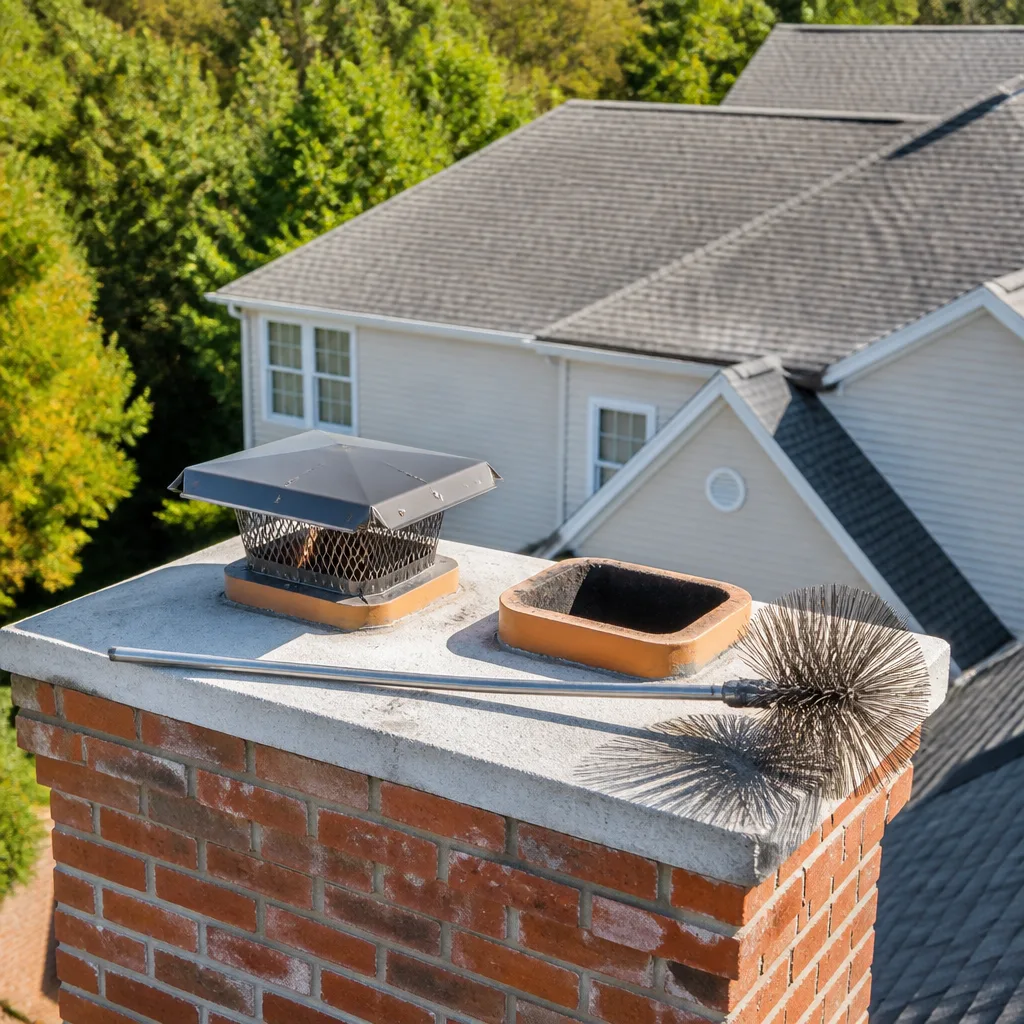
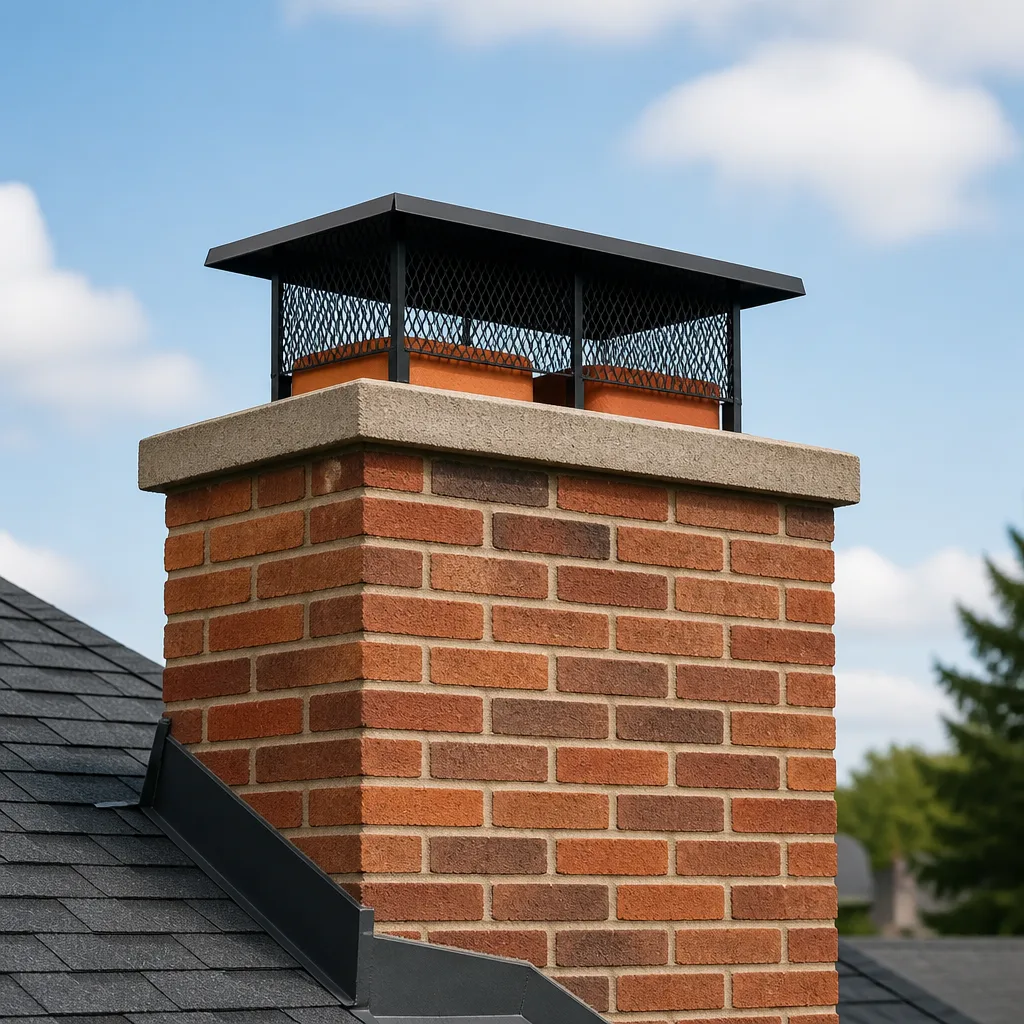
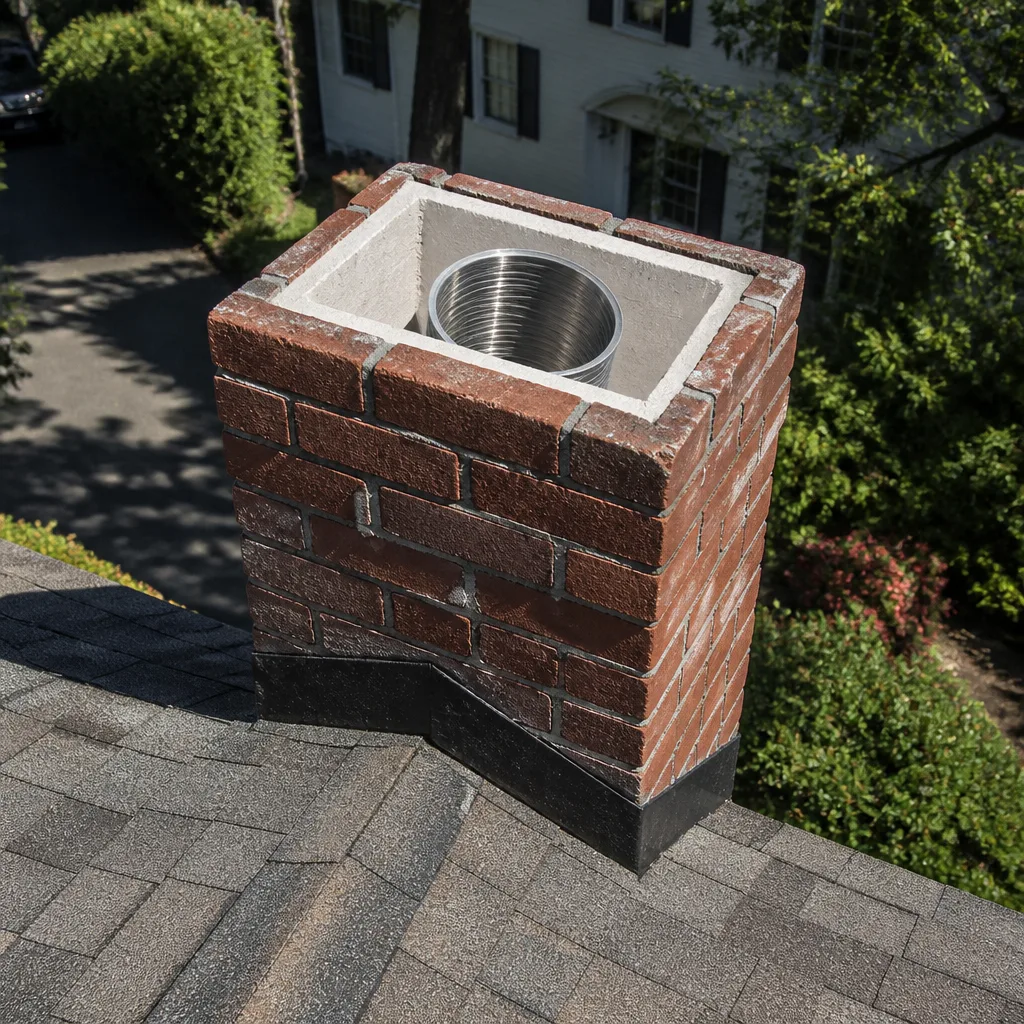
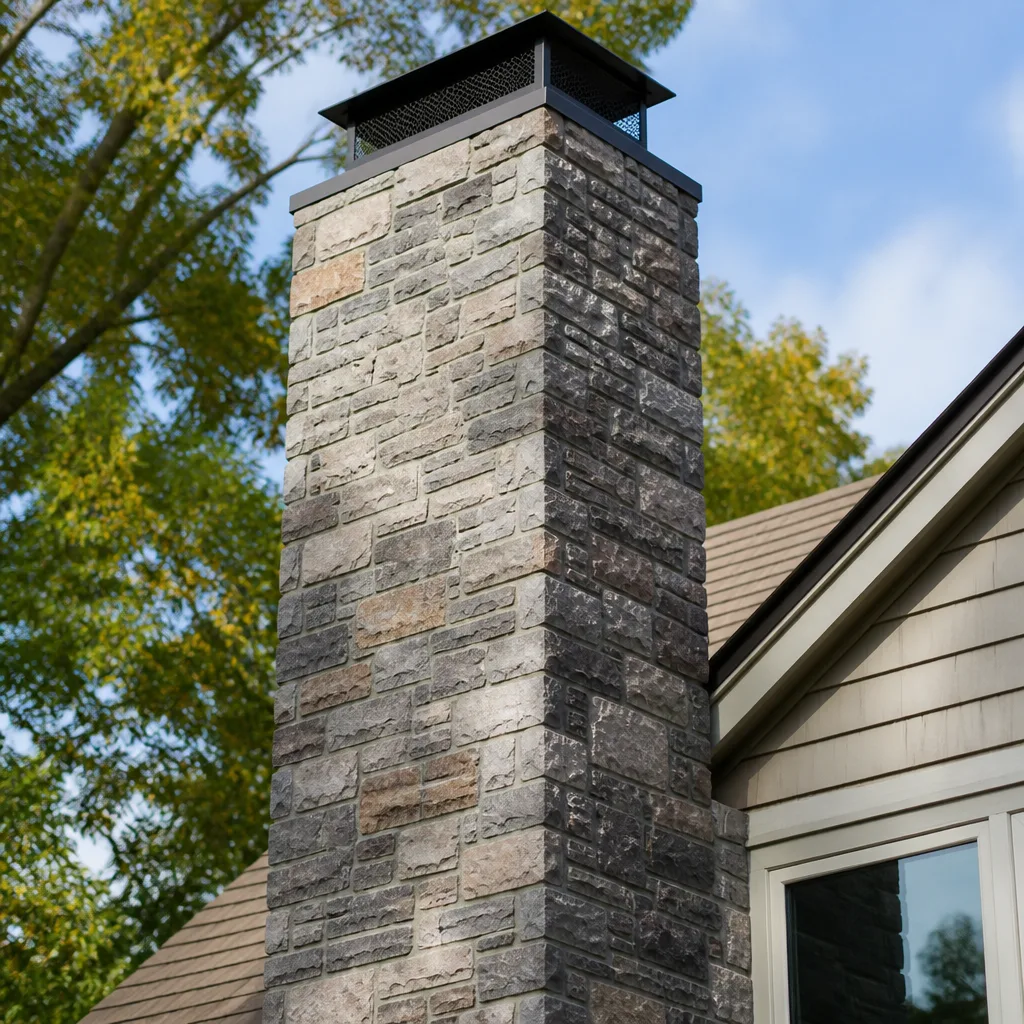
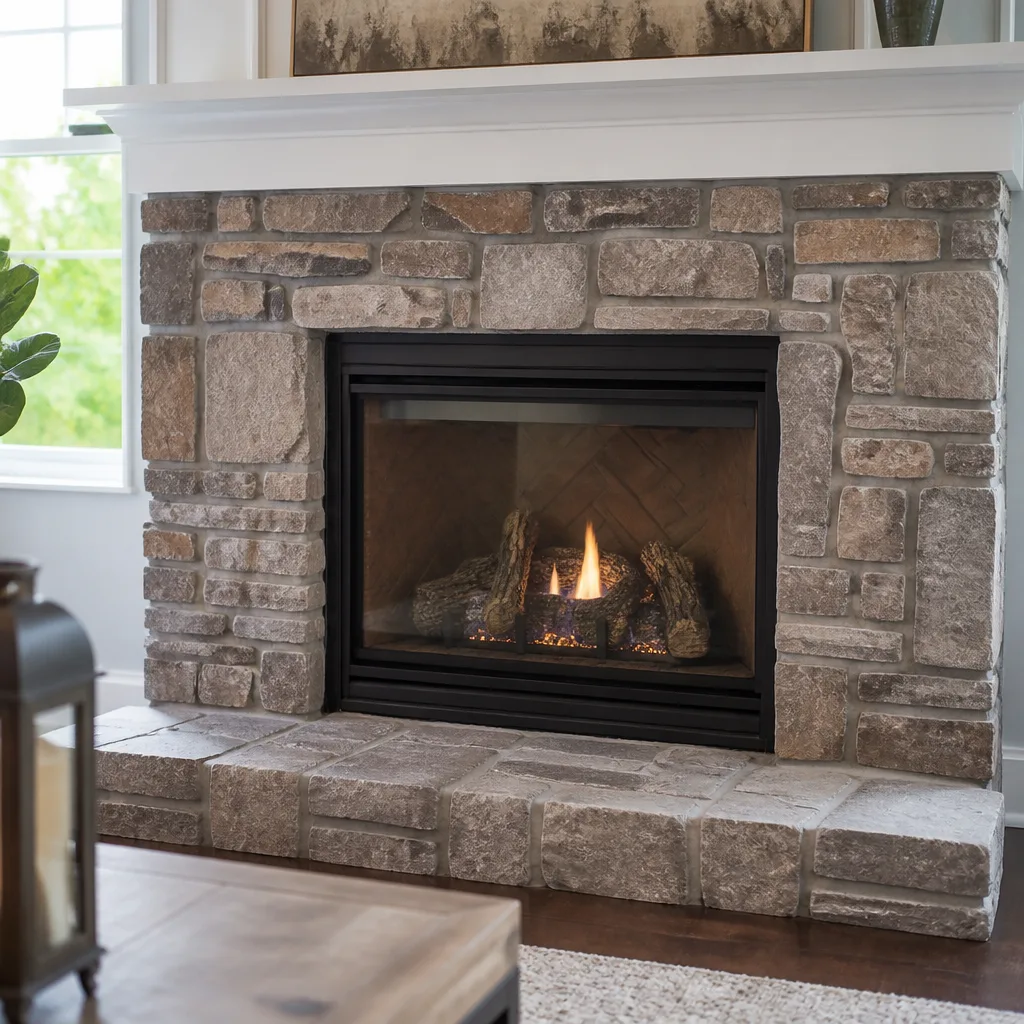
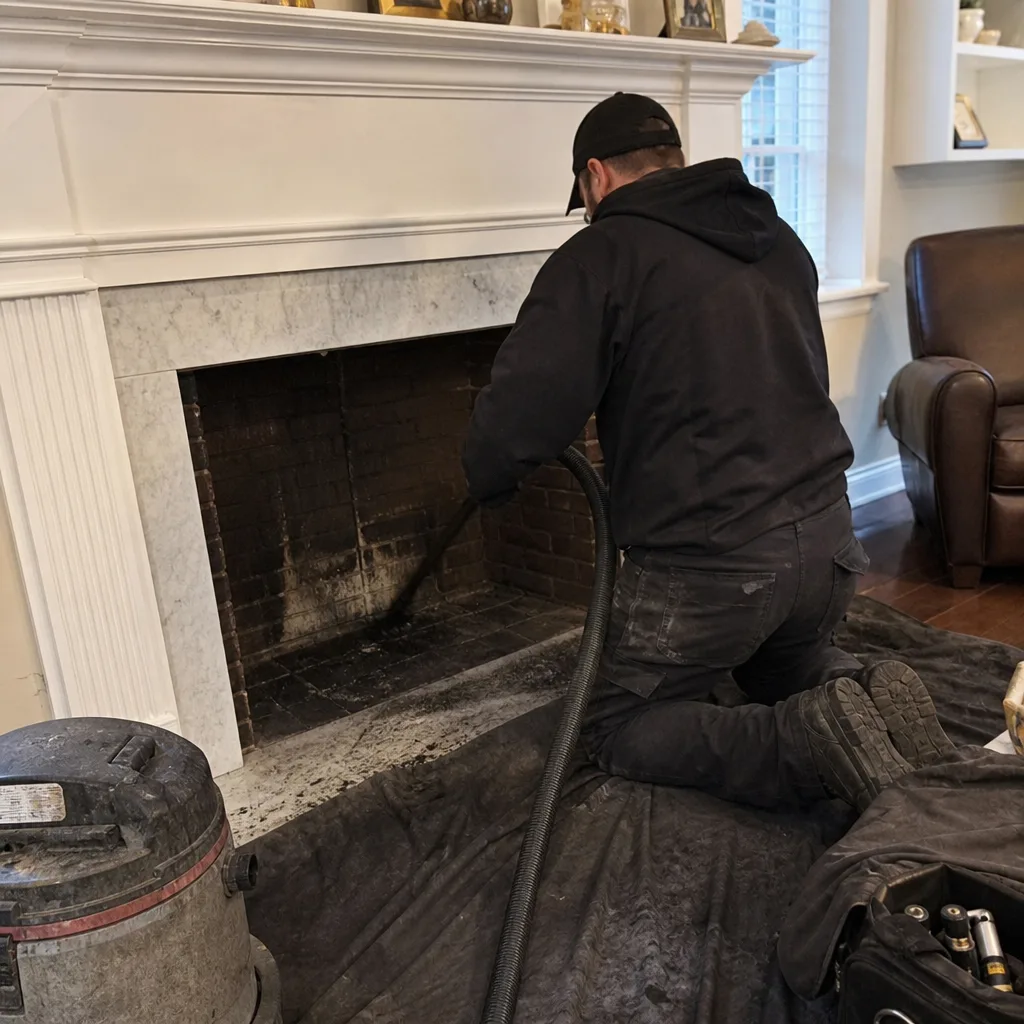 Before
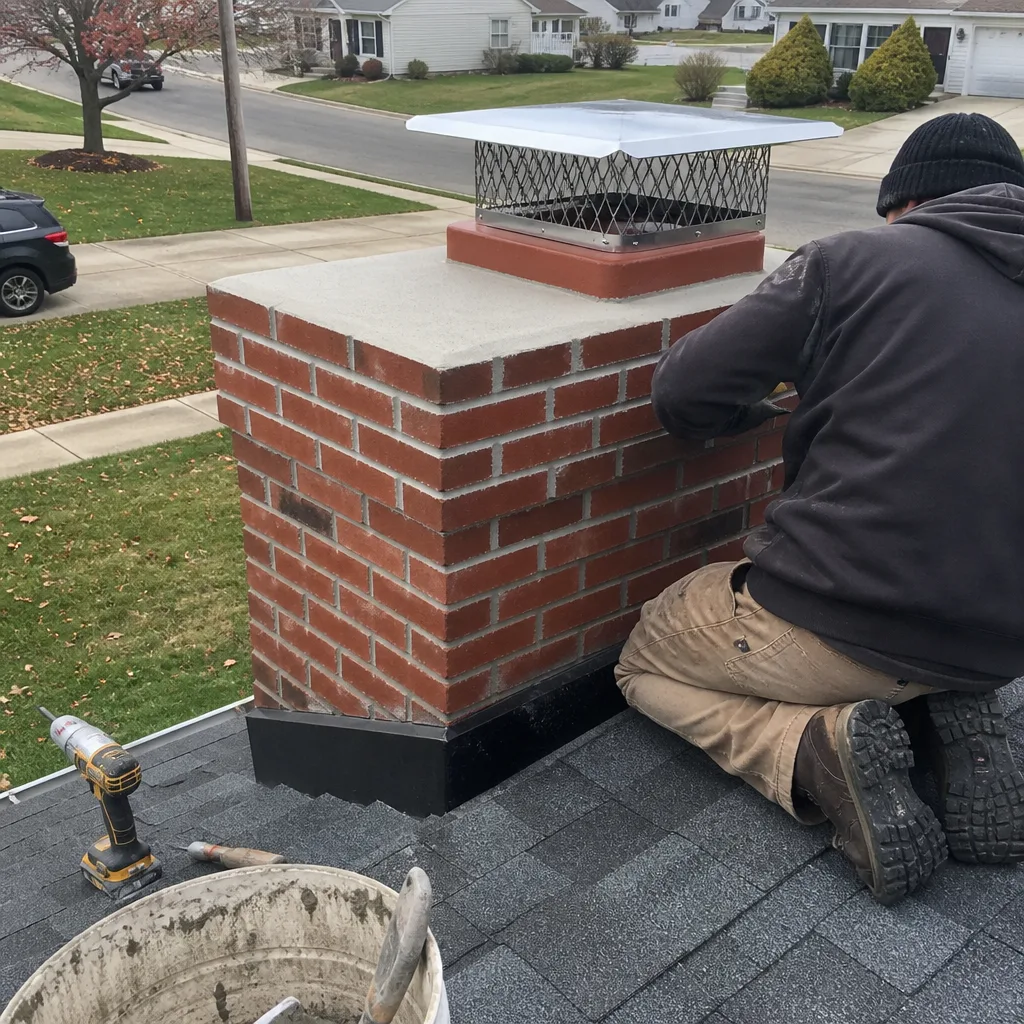 After
After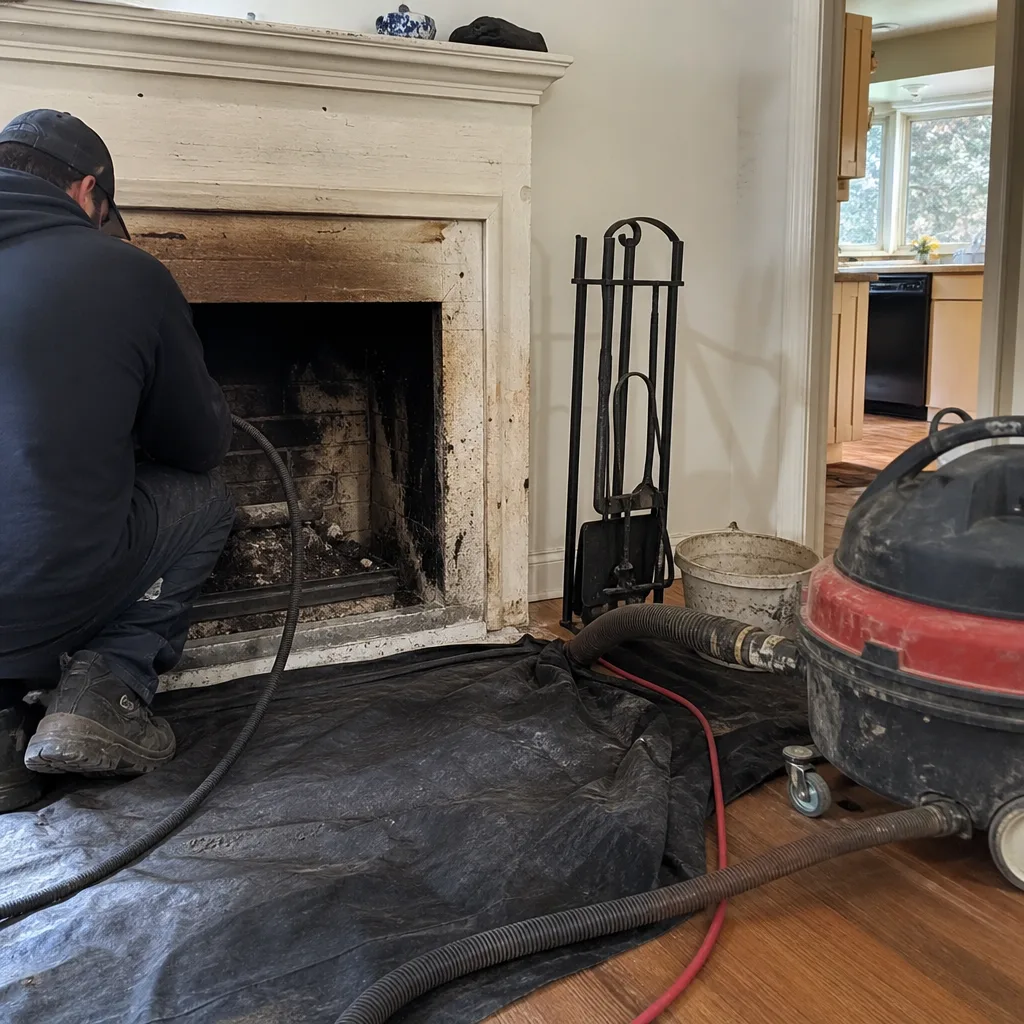 Before
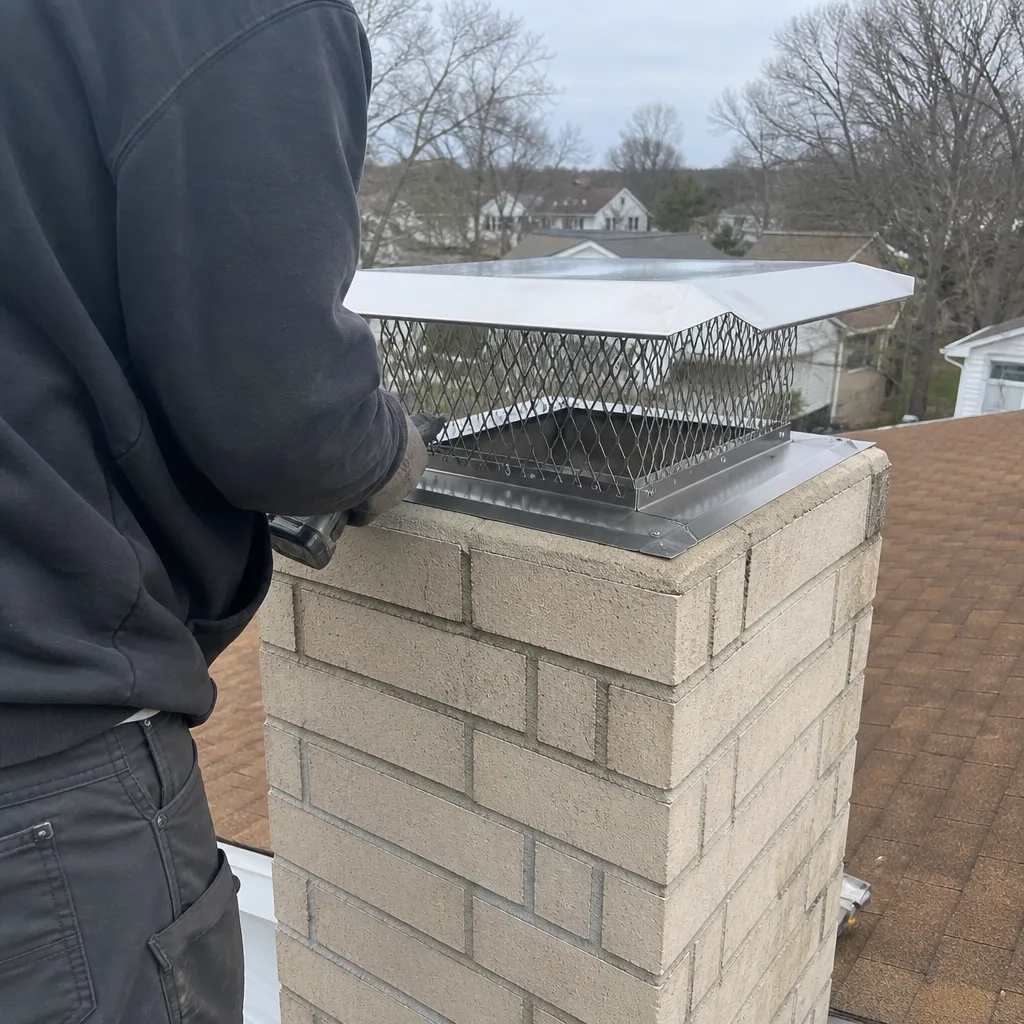 After
After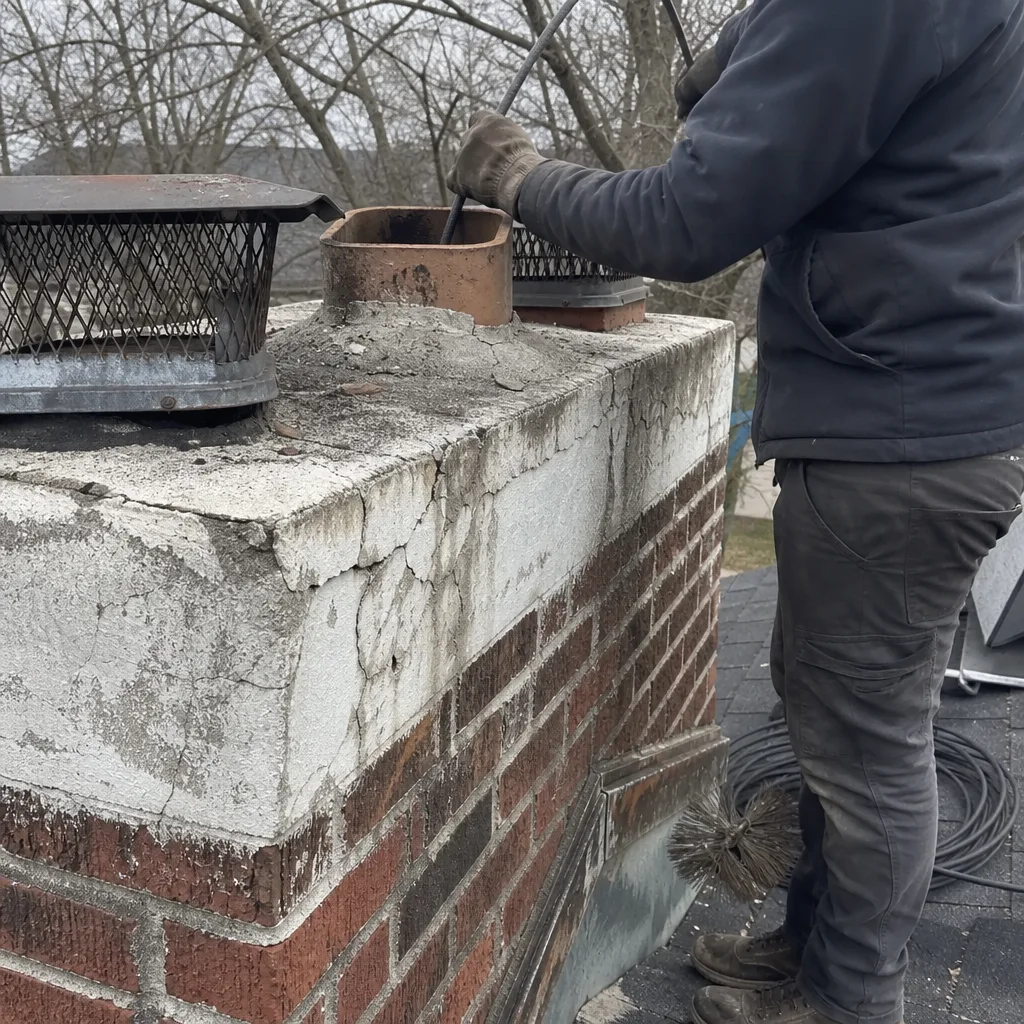 Before
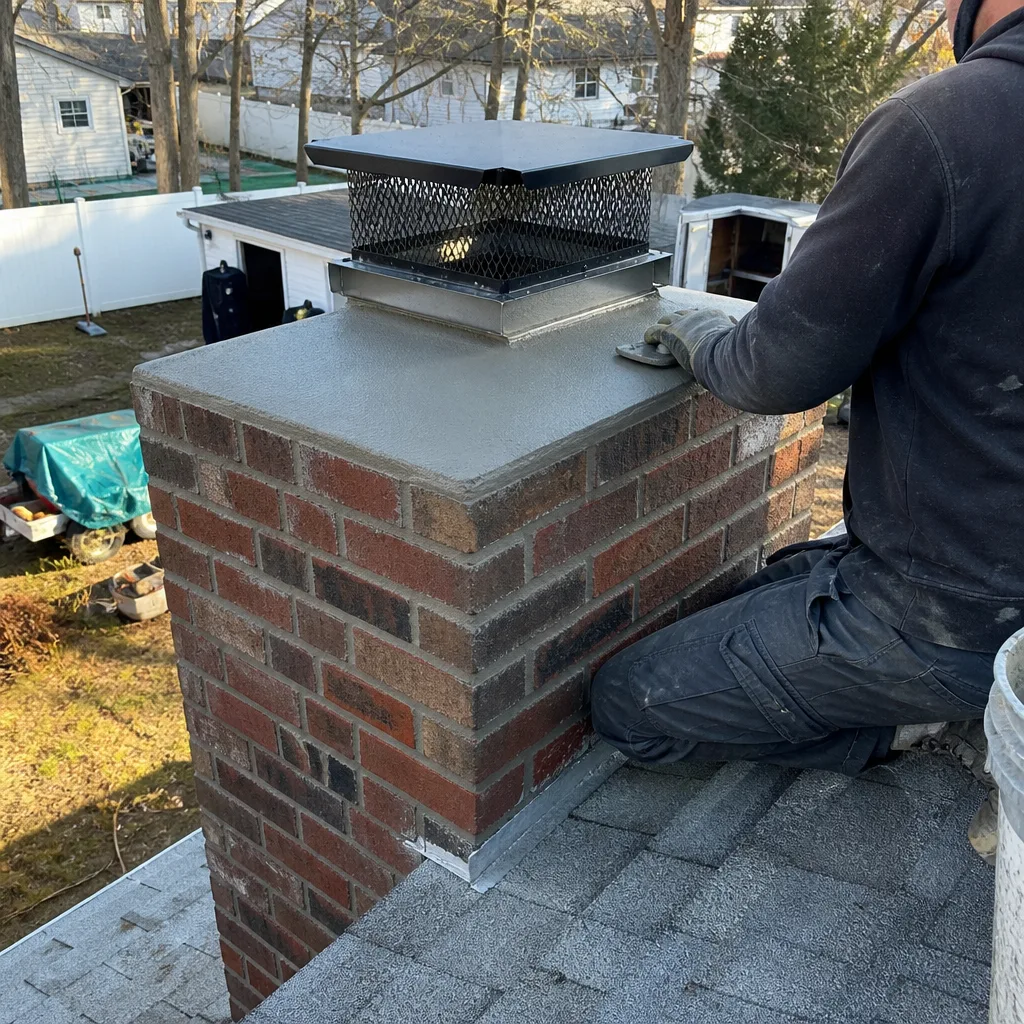 After
AfterChimney Cleaning & Sweep Maintenance Checklist for Toms River Homeowners
Most chimney maintenance checklists are written for the sweep, not the homeowner. They’re useless the moment the truck pulls away. After 42 years in Ocean County, we’ve watched too many Toms River homeowners file away a vague receipt and forget what was actually found until the next cold snap, or worse, until an insurance adjuster asks for documentation. The truth is, a chimney sweep visit is only as good as what you observe, record, and follow up on. This is the checklist you keep on your refrigerator, not in the truck.
Quick Answer
A complete chimney maintenance checklist for Toms River homeowners covers three phases: pre-visit preparation (clearing the hearth area, photographing existing conditions, noting odors and draft issues), on-site observation (confirming drop cloths, watching the camera inspection, verifying the written report), and post-visit documentation (filing photos, scheduling the next Chimney Cleaning & Sweep, logging work for insurance). Between professional visits, homeowners can check exterior masonry, cap condition, and damper operation, but should never attempt internal flue cleaning or structural repairs.
Table of Contents
- Pre-Visit Checklist: Before the Sweep Arrives
- On-Site Checklist: While the Sweep Is Working
- Post-Visit Documentation: What to Keep and Why
- Seasonal Self-Inspection: What You Can Check Yourself
- Logging Maintenance for Insurance and Resale in Ocean County
- Common Mistakes to Avoid
- When to Call a Professional
- Frequently Asked Questions
Pre-Visit Checklist: Before the Sweep Arrives
The hour before a sweep arrives is when most homeowners waste their best opportunity to catch problems. Your memory of how the chimney behaves will be reshaped by whatever the technician says. Document it first.
Clear the work zone. Move furniture at least six feet from the hearth. Remove mantel decorations, fireplace tools, and anything you don’t want coated in fine soot. In Toms River’s older neighborhoods like Silverton and Pleasant Plains, we’ve seen century-old mantels scratched by ladders because a homeowner left a clock or framed photo in place. The sweep should bring drop cloths, but you control what sits underneath them.
Photograph everything yourself. Take dated photos of the firebox, damper, hearth, and exterior crown from the ground. If you have a smartphone, email them to yourself with the date in the subject line. These are your baseline. When a technician later points out a crack or stain, you’ll know if it appeared last month or has been there since 2019.
Write down specific complaints before anyone asks. Note:
- Any smoke odor on humid days, especially common in Toms River’s July and August when the bay breeze traps moisture in masonry
- Downdrafts when the wind comes from the east off Barnegat Bay
- Difficulty starting fires, or fires that smoke back into the room after ten minutes
- Water stains on the ceiling near the chimney, particularly after nor’easters or the heavy rains of September and October
- Animal noises, or the smell of decay, from the flue
- Any recent changes: new roof, new siding, tree removal that exposed the chimney to wind patterns
Locate your previous service records. If you’ve owned the home for decades, dig out the last invoice or report. A good technician will ask when the chimney was last swept and what was found. “A few years ago, I think” is not an answer that helps anyone. In Ocean County’s real estate market, we’ve seen home sale delays because a chimney’s service history was a blank.
Confirm what the visit includes. A Level-1 inspection, standard for annual maintenance, covers readily accessible portions of the chimney exterior, interior, and flue. A Level-2 inspection, required after a chimney fire, structural event, or change of appliance, includes a camera scan of the flue interior. If you’re calling because of a specific problem, ask whether the quoted price includes camera work. At Hearthstone Chimney Co., our Level-2 inspections end with photos you can see and a plain-English verdict, but not every company operates this way.
On-Site Checklist: While the Sweep Is Working
You don’t need to hover. But you do need to observe five specific things, because these are where corners get cut and where your future problems begin.
1. Drop cloths go down before equipment comes in. The technician should lay protective covering from the front door to the hearth, not just a single sheet in front of the fireplace. If they’re dragging a vacuum or ladder across your oak floors or your grandmother’s braided rug without protection, that’s a sign of what’s to come.
2. The damper and flue are inspected before brushing begins. A sweep who starts brushing blindly can damage a partially open damper or force debris past a missing flue tile. Watch for the flashlight inspection of the firebox and the flue opening. In Toms River homes built before 1980, we’ve found original clay flue tiles cracked by decades of thermal cycling. Brushing without looking first turns a hairline crack into a functional failure.
3. The vacuum runs continuously during sweeping. Modern chimney sweeping is not the soot-flying operation of fifty years ago. A professional-grade HEPA vacuum should capture debris at the source. If the room is filling with dust, something is wrong with the equipment or the technique.
4. You see the camera inspection in real time, or you see the photos immediately after. This is non-negotiable for Level-2 work. The camera head should travel the full length of the flue, and the technician should narrate what they’re seeing: glaze buildup, tile gaps, mortar loss, spalling. At Hearthstone, our technicians show you the footage on a handheld screen before they pack up. If a company offers only a verbal summary or promises to “send photos later,” you’re working with the wrong sweep.
5. The written report is completed before payment is requested. The report should include:
- Date, technician name, and company contact information
- Type of inspection performed (Level 1 or 2)
- Appliance and flue dimensions
- Condition of the firebox, damper, smoke chamber, flue liner, crown, and exterior masonry
- Clearances to combustibles, if accessible
- Specific recommendations with priority levels (safety issue, maintenance item, cosmetic concern)
- Photos embedded or attached
- Estimated costs for recommended work
Ask questions while the technician is still on site. “What happens if I don’t do this now?” is a fair question for any recommendation. A craftsman answers directly. A salesperson deflects.
Post-Visit Documentation: What to Keep and Why
The invoice is not enough. The report is not enough. You need a system, because in five years you won’t remember which crack was “monitor” and which was “repair within 30 days.”
Create a chimney file, physical or digital. For each visit, keep:
- The original written report with photos
- Your own before-and-after photos
- The invoice showing work performed and materials used
- Any warranty or guarantee documentation
- Notes on your own observations from the weeks after the visit (did the draft improve, did the odor persist)
Log recommendations by priority and timeline. When a technician marks something “repair recommended within one year,” put a reminder in your calendar for ten months. Chimney problems in Toms River accelerate through freeze-thaw cycles. A crown crack that is manageable in October can be a water intrusion point by March, when the temperature swings from 40 degrees to 15 and back again weekly.
Verify brand names on any installed materials. If you paid for a stainless steel liner, the invoice should specify the alloy grade and manufacturer. Hearthstone uses DuraFlex and Olympia Chimney liners for their corrosion resistance in salt-air environments like ours. If your invoice says only “stainless liner, installed,” you don’t have documentation that protects your investment.
File the 90-Day Done Right Promise with your records. Our guarantee at Hearthstone is in writing with no arguing. If work needs correction, we come back. That promise is only as real as the paper it’s printed on, so keep it where you’ll find it.
Seasonal Self-Inspection: What You Can Check Yourself
Between professional sweeps, Toms River homeowners can perform limited but meaningful checks. Know the boundary: exterior observation and basic function tests are yours. Anything involving the flue interior, roof access, or structural repair is not.
Late summer inspection, before burning season:
- From the ground, binoculars if needed, check the chimney cap and crown. The cap should sit level with no visible gaps. The crown, the concrete slab topping the brick, should slope away from the flue with no ponding areas. In Toms River’s freeze-thaw climate, a flat or cracked crown is the single most common entry point for water that destroys flue liners from the outside.
- Check exterior mortar joints for receding or missing mortar. Pointing deterioration accelerates where chimneys face prevailing winds, common in waterfront neighborhoods like Ocean Beach and Chadwick Beach.
- Open the damper fully. It should move smoothly and seat completely when closed. A damper that sticks or leaks is costing you heated air all winter.
- Look up the flue with a flashlight from the firebox. You should see light at the top and relatively clean flue walls. Heavy black glaze or shiny creosote indicates it’s time to schedule a sweep before first use.
- Sniff for musty or animal odors. A dry flue smells like masonry and ash. A musty smell means moisture intrusion; a foul smell means an animal has died or nested.
Mid-winter check, during heavy use:
- After a week of regular fires, check the firebox for new cracks or spalling brick. Small hairlines are normal; widening cracks or pieces breaking off indicate thermal stress beyond the material’s capacity.
- Confirm smoke rises cleanly with no backdrafting when the fire is established. Occasional puffing on startup is normal; persistent smoke in the room is not.
- Check attic spaces near the chimney for any sign of heat discoloration or smoke smell. This is rare but critical. If you find it, stop using the fireplace and call for inspection.
What you should never do yourself:
Do not climb on your roof to inspect the crown or flashing. Falls from roof height are a leading cause of homeowner injury, and steep-pitch colonial roofs common in Toms River’s older subdivisions are unforgiving. Do not attempt to brush or scrape the flue interior. The creosote you dislodge may be highly flammable, and without proper vacuum containment you’ll contaminate your home with respirable particulates. Do not apply sealants, crown coatings, or waterproofing without professional assessment. The wrong product traps moisture inside masonry and accelerates deterioration. HeatShield flue resurfacing and Gelco cap installations are professional applications that require proper surface prep and product knowledge.
Logging Maintenance for Insurance and Resale in Ocean County
In Toms River’s active real estate market, chimney documentation has become a standard request from buyers, insurers, and attorneys. A well-maintained chimney with complete records is a selling point. A chimney with no records is a liability, often triggering a buyer’s inspection contingency or an insurance requirement for Level-2 certification before policy issuance.
For homeowner’s insurance: New Jersey insurers increasingly require proof of annual chimney maintenance for wood-burning fireplaces, particularly in coastal counties with higher fire risk ratings. Keep a simple log:
| Date | Service | Company | Technician | Findings | Next Due |
|---|---|---|---|---|---|
| 10/15/2024 | Level-2 Inspection & Sweep | Hearthstone Chimney Co. | [Name] | Minor crown crack sealed; flue clear | 10/15/2025 |
Attach the full report and invoice behind the log page. If you ever file a claim related to chimney or fireplace damage, this documentation establishes that you met maintenance obligations.
For resale preparation: Ocean County real estate transactions often include a wood-burning fireplace addendum. Sellers who can produce three years of maintenance records, with camera inspection photos, typically avoid last-minute repair credits or sale delays. Buyers who see a blank history will demand their own Level-2 inspection, and any findings become negotiation leverage.
For estate and inheritance situations: If you’re preparing a Toms River home for transfer to adult children or sale as part of estate settlement, chimney records should be in the same file as the roof, HVAC, and electrical documentation. We’ve been called to inspect chimneys where the owner “always kept it up” but no paper trail existed. The heir’s inspector finds problems, the heir assumes neglect, and a simple sweep becomes a disputed repair.
Common Mistakes to Avoid
- Hiring based on coupon price alone. The $79 sweep special in Toms River often excludes the inspection, excludes the camera, and ends with a hard sell for $3,000 in “urgent” repairs. A legitimate Level-1 sweep and inspection in our market runs $150-$250; Level-2 with camera runs $250-$400. The difference pays for the time to do the work correctly and document it.
- Accepting a verbal report with no photos. Without images, you have no proof of what was found, no ability to get a second opinion, and no documentation for insurance or resale. Demand the camera work and the written verdict.
- Ignoring seasonal timing. Toms River’s peak chimney season runs October through January. Scheduling in September or February means better availability, more time for any needed repairs before burning season or before sale, and often more attentive service.
- Using the wrong fuel. Burning Christmas wrapping paper, pressure-treated lumber, or driftwood from the Barnegat Bay introduces chemicals that accelerate flue deterioration and create hazardous deposits. Burn only seasoned hardwood, and keep a fire log of what you burn if you ever need to diagnose performance problems.
- Assuming gas fireplaces need no maintenance. Gas inserts and log sets still require annual inspection of the burner, pilot, and venting. Corrosion in the vent cap, common in salt-air environments, can block exhaust and create carbon monoxide risk. The inspection is different, but the need is real.
- Delaying crown or flashing repairs. A $400 crown seal in September prevents a $4,000 liner replacement in April. Water is the enemy of every chimney system in our freeze-thaw climate, and it works from the outside in where you can’t see it.
- Failing to verify technician credentials. In New Jersey, chimney sweeps are not state-licensed as a standalone trade, but reputable companies carry general liability and workers’ compensation insurance. Ask. A legitimate company answers without hesitation.
When to Call a Professional
Call for inspection before the burning season begins if you have no record of service within twelve months. Call immediately if you experience smoke backdrafting that doesn’t resolve, visible flame or sparking from the chimney top, a chimney fire (roaring sound, dense smoke, hot exterior masonry), or any sign of water intrusion in the firebox or adjacent walls. Call if you’re buying or selling a home in Toms River, as both chimney repair and fireplace services documentation are now standard in Ocean County transactions. Hearthstone Chimney Co. offers free estimates in Toms River - call (609) 303-9679. A live person answers every call, 24 hours a day, and our background-checked, uniformed technicians complete most jobs in a single visit with no-hassle upfront pricing.
Frequently Asked Questions
A standard Level-1 chimney sweep and inspection in Toms River typically costs $150-$250, while a Level-2 inspection with camera scan runs $250-$400. Prices vary based on chimney height, accessibility, and the number of flues. Hearthstone’s $89 Seasonal Tune-Up is available for qualifying systems; call (609) 303-9679 for exact pricing on your chimney.
The National Fire Protection Association recommends annual inspection for all chimney systems, with sweeping as needed based on creosote accumulation. In Toms River’s coastal climate, where humidity accelerates corrosion and freeze-thaw cycles stress masonry, annual inspection is the minimum. Heavy wood burners often need sweeping after every cord of wood burned.
A legitimate liner recommendation comes with camera evidence you can see yourself: cracked or missing clay tiles, gaps at tile joints, or spalling that exposes the chimney structure to flue gases. At Hearthstone, nothing is recommended without photos and a plain-English explanation. If another company recommended a liner without showing you the damage, get our free second opinion on any written estimate.
Skipped maintenance leads to creosote buildup, which fuels chimney fires; moisture intrusion, which destroys liners and masonry from the outside; and carbon monoxide leakage through cracked flue walls. In Toms River, we’ve responded to chimney fires in homes where the owner “meant to get it checked” for three years. The risk is real, cumulative, and preventable.
You can perform the limited seasonal checks described in this guide, but internal flue cleaning requires professional equipment and training. Without proper vacuum containment, you’ll spread respirable soot through your home. Without camera inspection, you’ll miss cracks and gaps that create fire and CO hazards. The savings are not worth the risk.
If any work we perform is not done right, we come back and make it right, backed in writing with no paperwork and no arguing. The promise is governed by our K.E.Y.S. values: Krafted right, Every time, Your home first, Standing behind it. It’s how we’ve operated for over 42 years, and it’s how we plan to operate for the next 42.
The Bottom Line
A chimney maintenance checklist only works if you use it before, during, and after the sweep’s visit. For more guides & resources, explore our blog. Document your own observations first. Watch for the five on-site standards that separate craftsmen from corner-cutters. Keep complete records for insurance, resale, and your own peace of mind. Perform seasonal checks within your limits, and know when to call a professional for the work that requires training and equipment. In Toms River’s salt-air, freeze-thaw climate, proactive maintenance isn’t optional - it’s the difference between a chimney that lasts the life of the house and one that fails catastrophically. Done right, and we stand behind it.
Written by Russell Haines, Owner at Hearthstone Chimney Co., serving Toms River since 2014.