
Last updated September 10, 2026
Level 1 sweep and inspection to the NFPA 211 annual standard - flue, crown, cap, and flashing checked and photographed
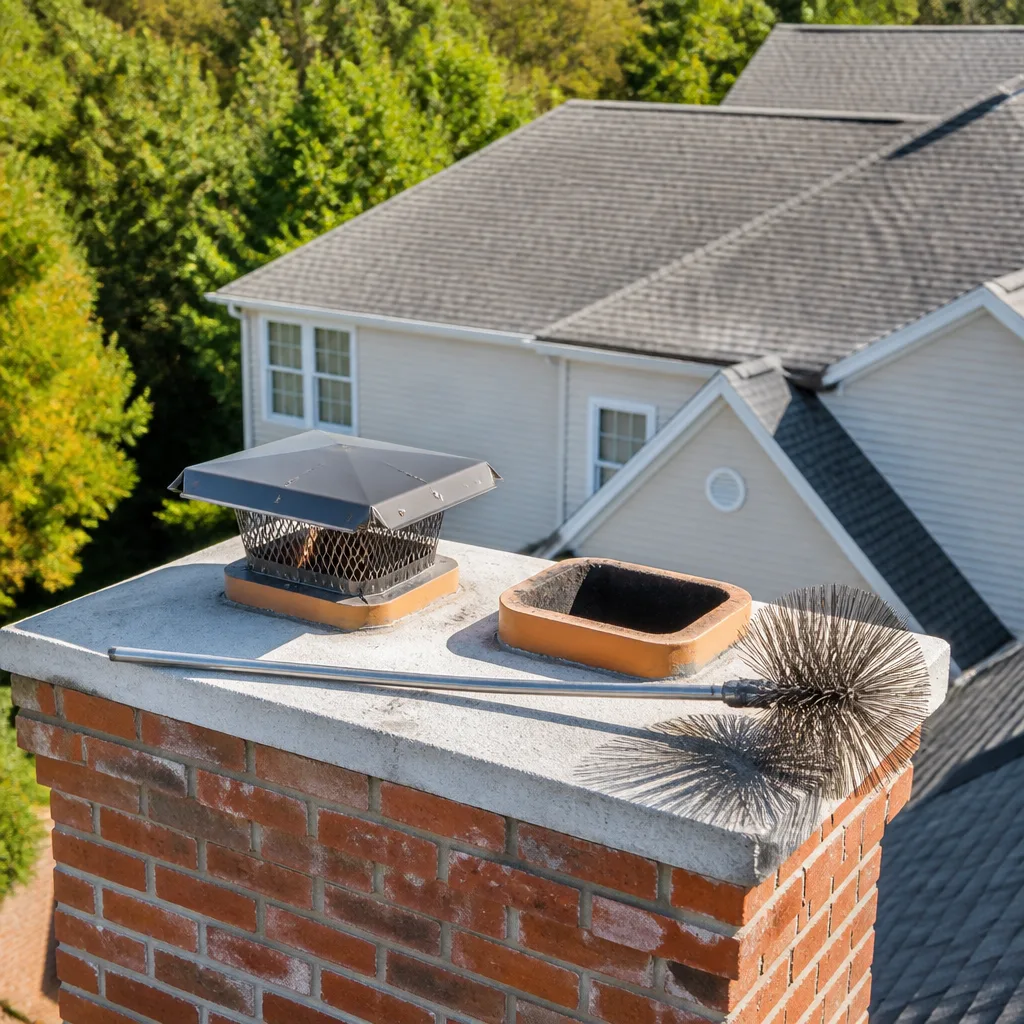
Chimney sweep logs do not sweep chimneys. They loosen some creosote - which then falls where a brush and vacuum still have to collect it.
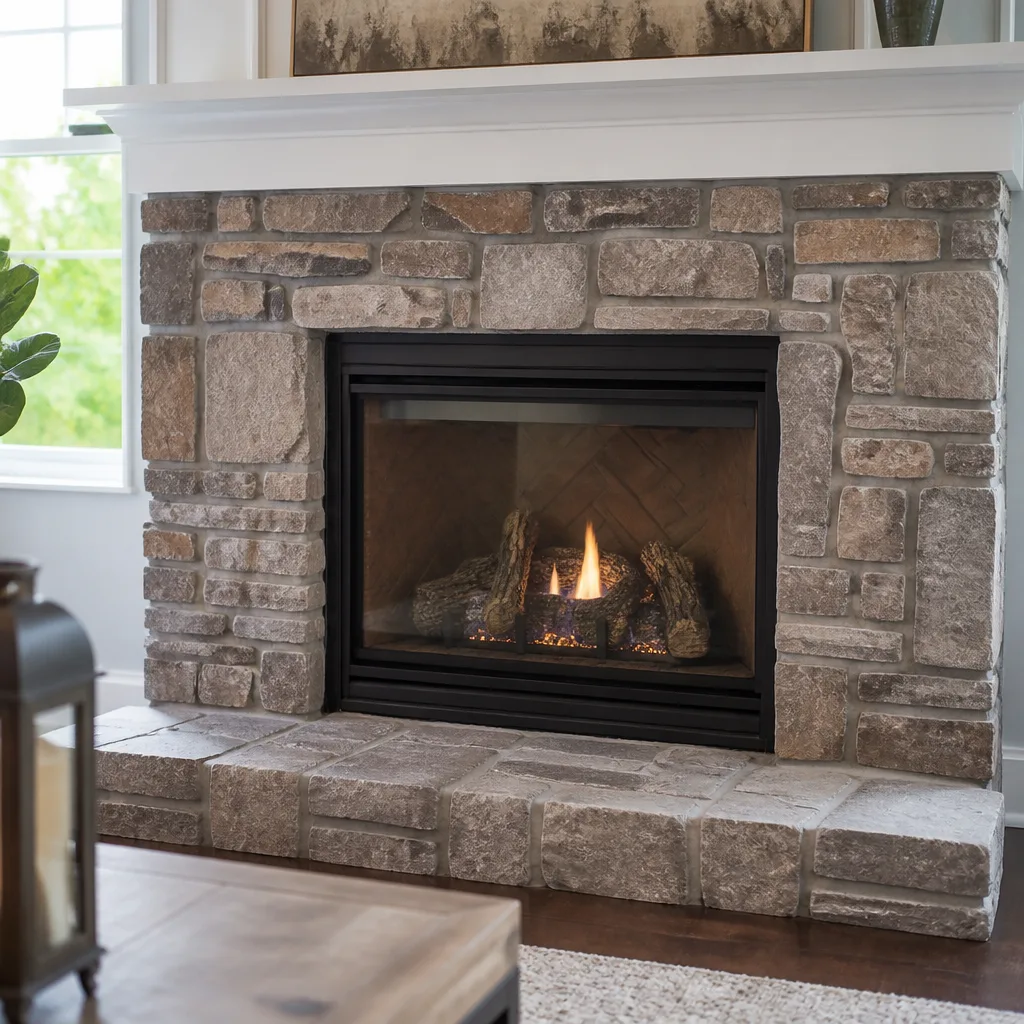
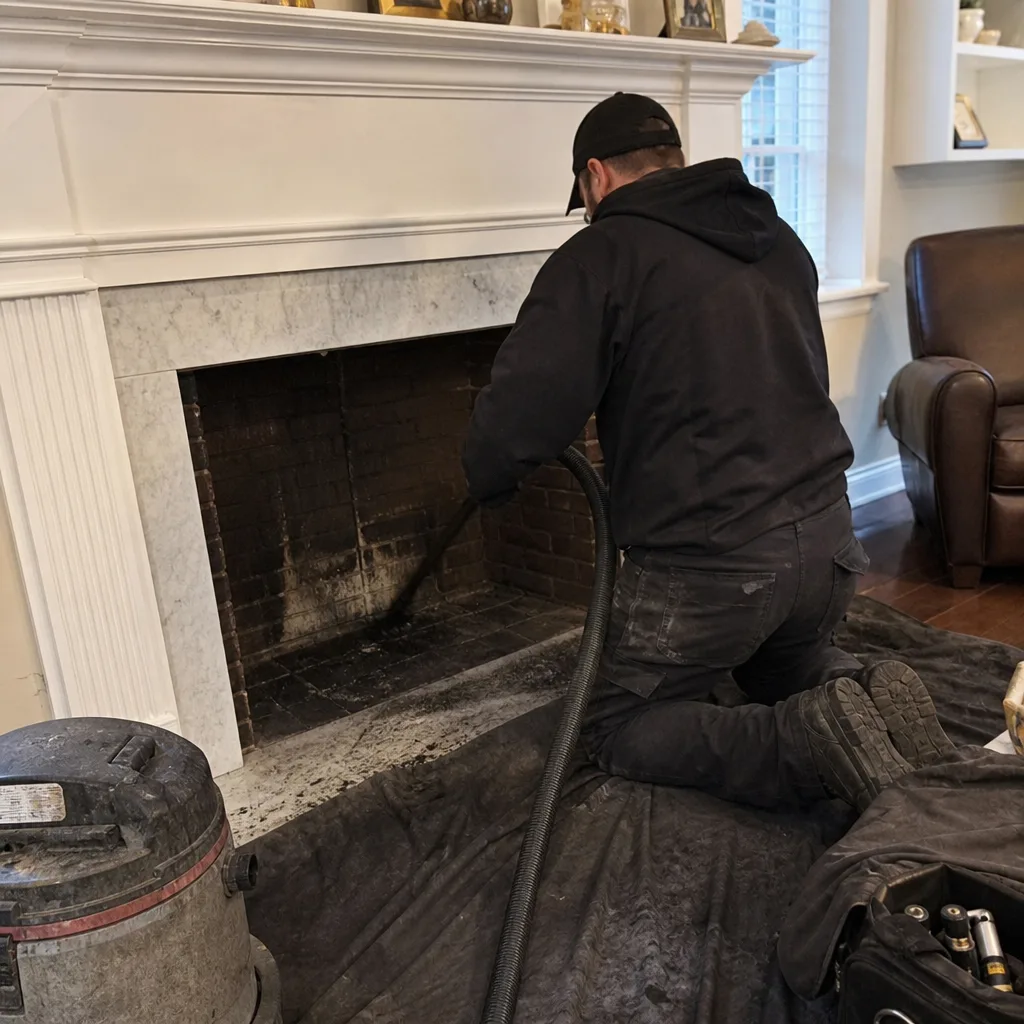 Before
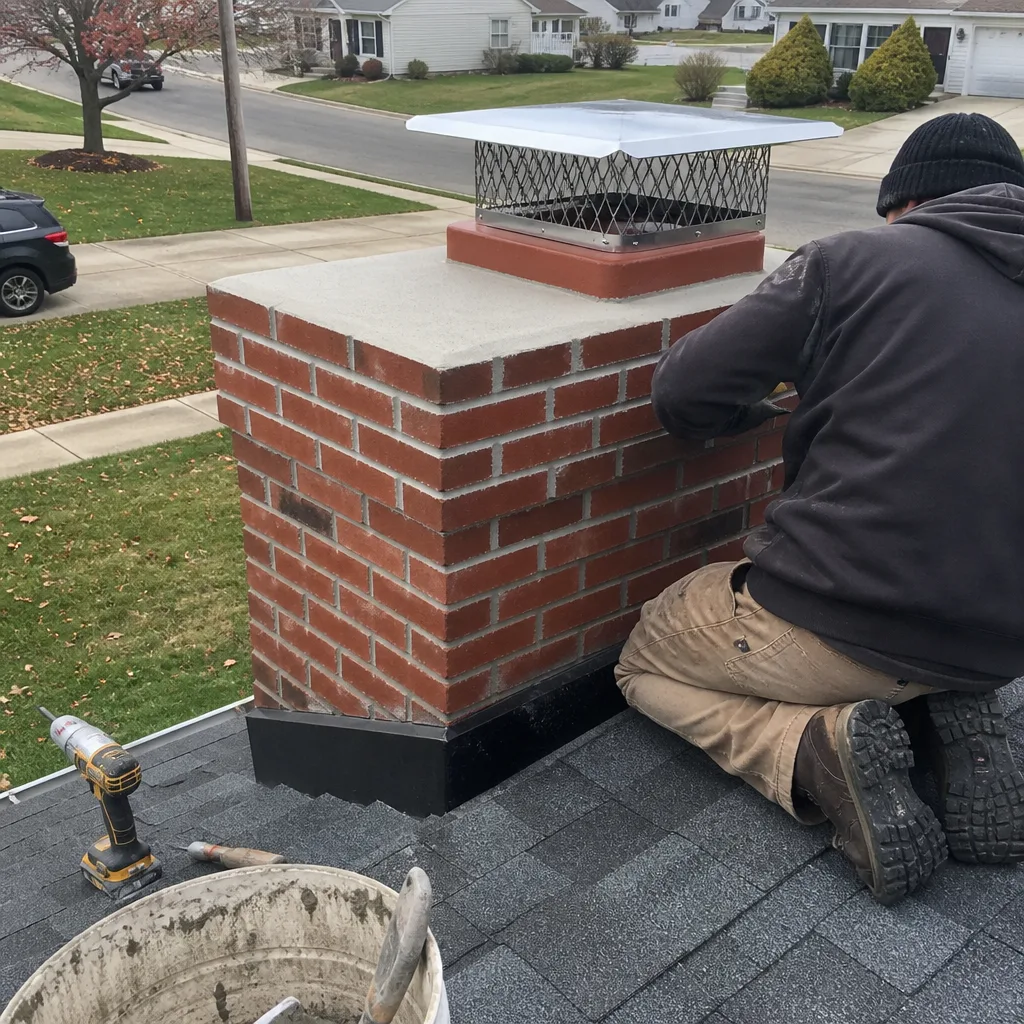 After
After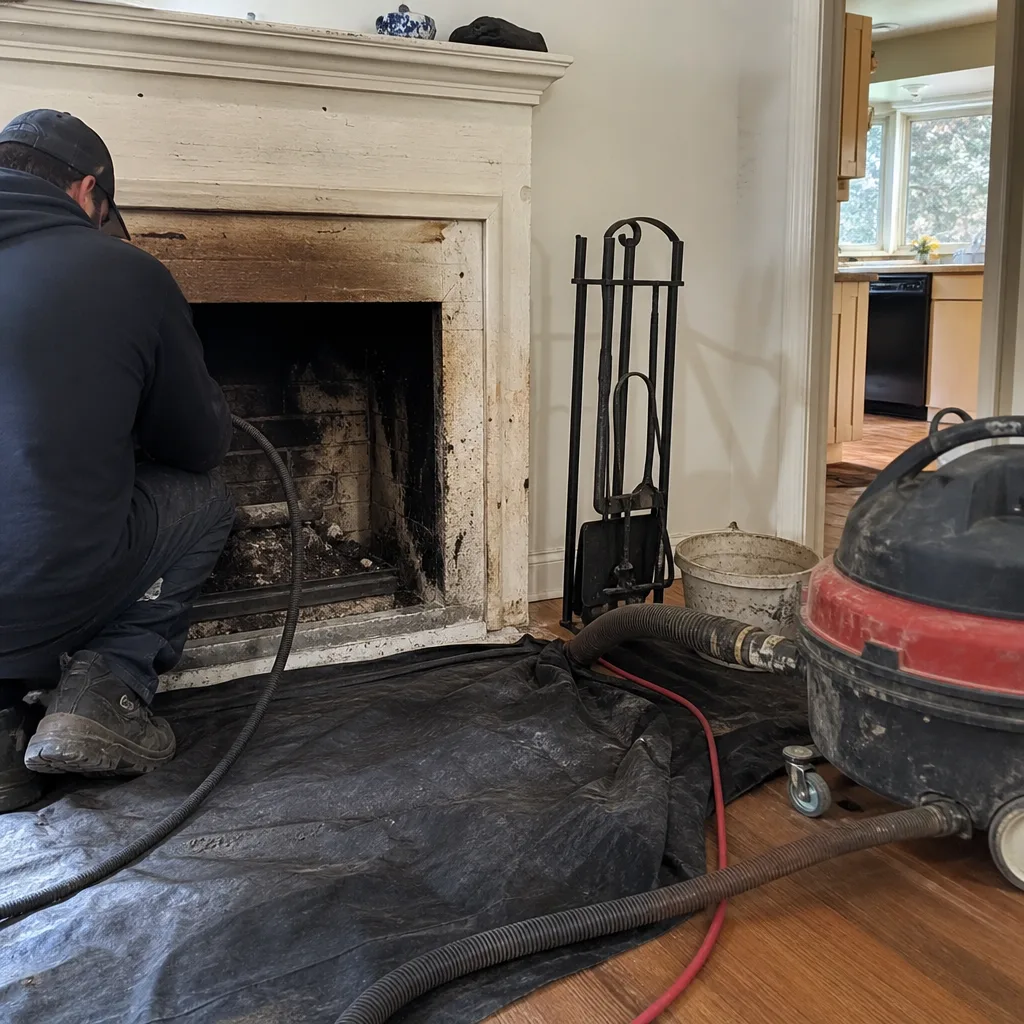 Before
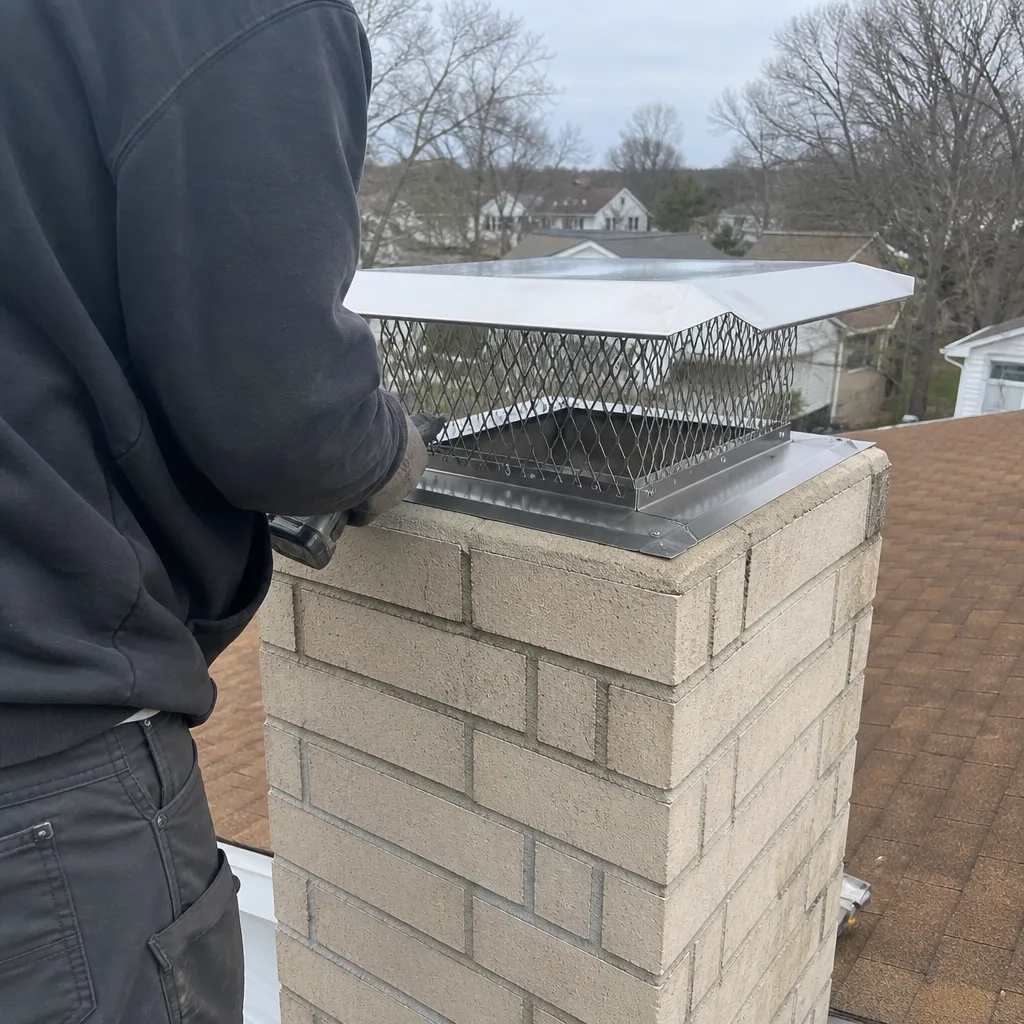 After
After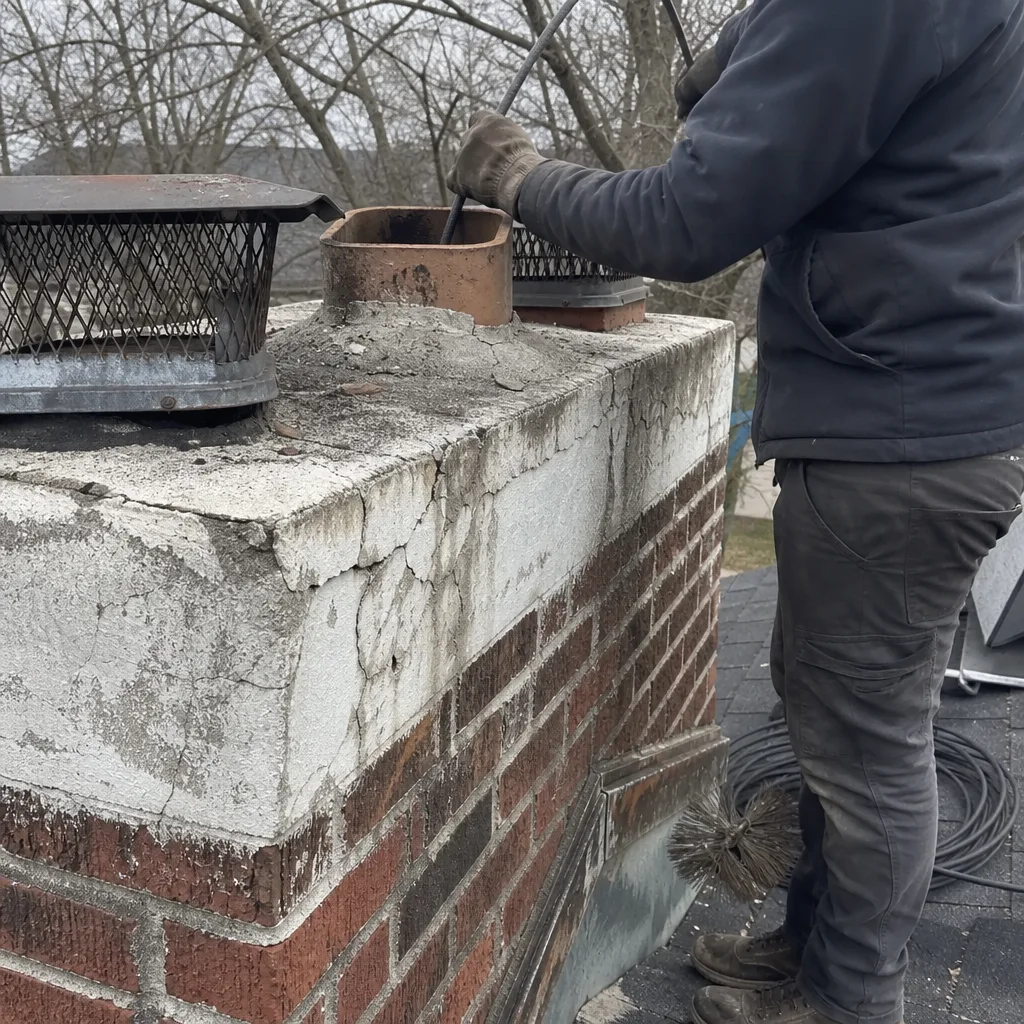 Before
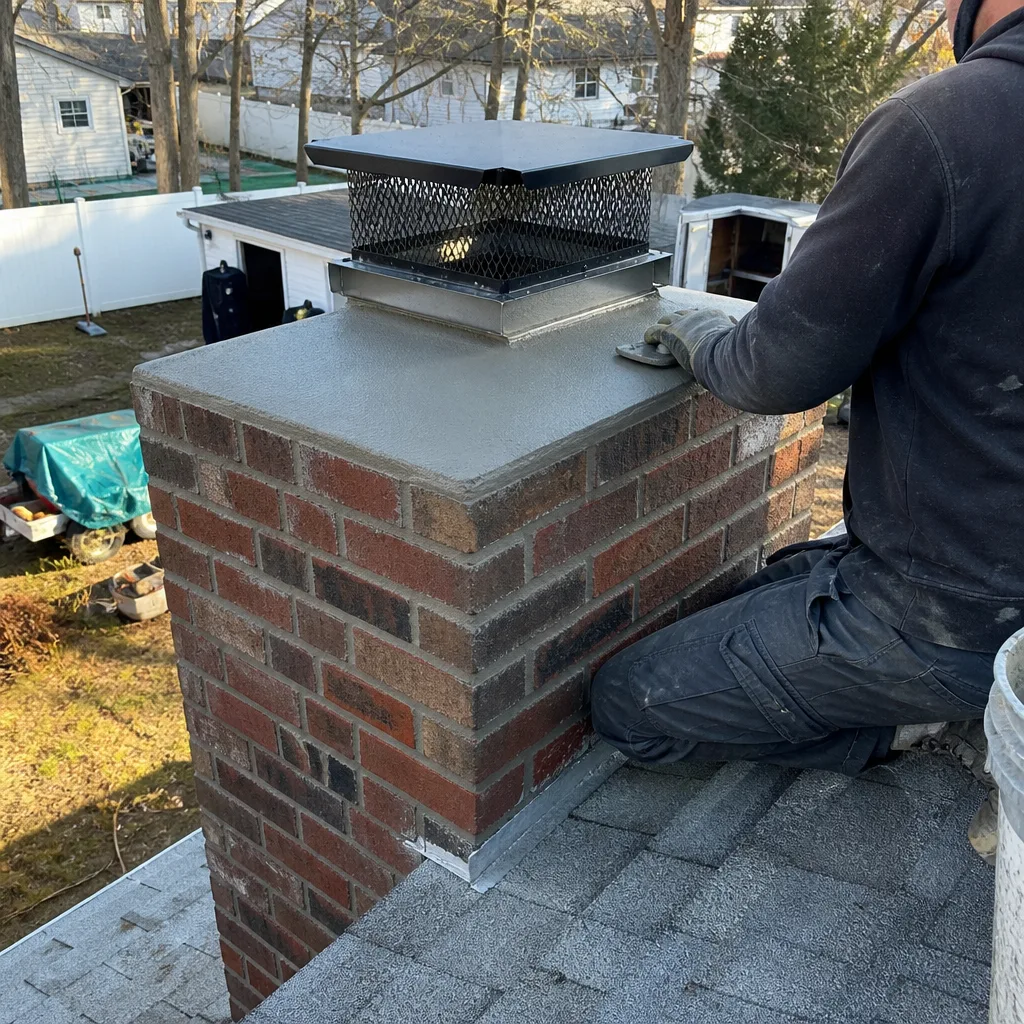 After
AfterSeasonal Chimney Cleaning Care for Toms River: Year-Round Homeowner’s Guide
Most homeowners in Toms River schedule their chimney sweep for October, which is exactly backward. By the time the leaves turn, the summer’s worth of moisture damage, nesting debris, and masonry freeze-thaw stress is already locked in - and you’re two weeks from lighting the first fire. The useful inspection happened in April, when a sweep can see what winter hid. In this guide, we’ll walk through how the Shore’s four seasons actually affect your chimney, why the damage pattern here differs from inland New Jersey, and what to do each month so you’re never caught off guard. For more guides & resources, explore our blog.
Quick Answer
A proper seasonal chimney cleaning schedule for Toms River means a Level-2 camera inspection and sweep in April, after heating season ends, when winter damage is visible but before summer moisture accelerates it. A second check in late August or early September clears summer debris and confirms the system is safe before the first fire. Waiting until October leaves you vulnerable to hidden damage and the seasonal rush.
Table of Contents
- Why April Is the Most Diagnostic Month for Toms River Chimneys
- Summer-Specific Threats in the Shore Climate
- The August/September Pre-Season Window
- Winter Chimney Behavior in Ocean County
- Month-by-Month Chimney Care Reference for the Shore
- What Seasonal Chimney Maintenance Costs in Toms River
- Common Mistakes to Avoid
- When to Call a Professional
- Frequently Asked Questions
Why April Is the Most Diagnostic Month for Toms River Chimneys
April in Toms River is when the chimney tells the truth. The heating season is finished, the flue has cooled completely, and the freeze-thave cycles of January and February have done their work. Snowmelt and spring rains are just beginning, which means any cracks in the crown, deteriorated mortar joints, or compromised flashing are about to get worse - but haven’t yet been hidden by new damage.
Here’s what a Level-2 camera inspection can reveal in April that October hides:
- Glazed creosote deposits that formed during cold-weather burns are still intact and visible, not softened by summer humidity
- Spalling brick and deteriorated mortar from freeze-thaw cycling, especially on north-facing exposures common in neighborhoods like North Dover and Pleasant Plains
- Flue liner gaps or shifts that opened during thermal expansion over the winter
- Water intrusion paths through the crown or flashing that will become active problems by June
- Animal nesting evidence from early spring attempts before the flue temperature stabilized
In our experience sweeping chimneys across Ocean County, the difference between an April inspection and an October inspection is often the difference between a $189 sweep and a $2,400 liner replacement, as detailed in our Chimney Cleaning Cost Breakdown: The Toms River Homeowner’s Reference for 2026. When we catch crown cracking in April, we can apply a proper crown sealant like HeatShield or install a Gelco cap before the summer rains. In October, that same crack has admitted six months of moisture, and the repair has grown.
The other practical advantage: April scheduling is flexible. Our technicians aren’t racing against the first cold snap, and homeowners aren’t anxious. We can take photos, explain what we’re seeing, and schedule any follow-up work at a reasonable pace. The 90-Day Done Right Promise still applies, but in April, there’s time to honor it without weather pressure.
Summer-Specific Threats in the Shore Climate
Toms River’s location three miles from the Atlantic creates a chimney environment that inland NJ doesn’t face. Summer here brings sustained humidity above 70%, frequent afternoon thunderstorms, and salt-laden air that accelerates metal corrosion. These factors don’t get enough attention because the fireplace isn’t in use, but they’re actively damaging the system.
Moisture Infiltration and Efflorescence
When humid Shore air meets the cool thermal mass of a masonry chimney, condensation forms inside the flue. This is especially pronounced in Toms River’s older neighborhoods - Silverton, Ortley Beach, parts of East Dover - where chimneys were built with softer, more porous brick before modern ASTM standards. The moisture draws soluble salts to the surface, creating efflorescence: that white, powdery staining on the exterior brick.
Efflorescence is not merely cosmetic. It signals that water is moving through the masonry, dissolving minerals, and compromising the mortar matrix. Left through a Toms River summer, this process weakens the chimney structure and accelerates spalling. A Copperfield chimney cap or proper crown repair installed in spring prevents the cycle.
Biological Growth
The same moisture that causes efflorescence supports algae and mildew growth on shaded north faces. In wooded sections of Toms River near the Pine Barrens, we’ve seen moss establish itself in mortar joints, holding moisture against the brick for weeks after rain. This biological layer traps heat, accelerates freeze damage the following winter, and can obscure developing cracks from visual inspection.
Animal Nesting
Uncapped flues in Toms River attract chimney swifts, squirrels, and raccoons from May through July. The Barnegat Bay watershed and surrounding greenbelts support robust wildlife populations, and a warm, sheltered flue is ideal nursery territory. A nest built in June can block the flue by September, creating a fire and carbon monoxide hazard that the homeowner discovers only when lighting the first fire.
We recommend inspecting cap condition in April and confirming no active nesting before capping, following the Chimney Cleaning & Sweep Maintenance Checklist for Toms River Homeowners. If swifts have established - they’re federally protected - we wait until the young have fledged, then install a Famco or Olympia Chimney cap with proper mesh sizing to prevent re-entry.
The August/September Pre-Season Window
Late summer is the second critical checkpoint in the Toms River chimney year. By mid-August, the summer damage pattern is established but not yet compounded by heating season stress. This is the window to confirm the system is safe before the first fire, without the October rush that strains every sweep company in Ocean County.
What to Do in Late August
- Visual exterior check from ground level. Look for new efflorescence, missing or shifted cap, damaged flashing, or vegetation growth. Binoculars help; climbing the roof does not - leave that to equipped technicians.
- Confirm the damper operates freely. Summer humidity can cause rust and sticking. A damper that won’t open fully is a fire and smoke hazard.
- Check for odors. A sour, musty smell from the fireplace indicates moisture accumulation and possible biological growth in the flue.
- Schedule the sweep if April was skipped. Better late than never, and early September still beats the October backlog.
What to Avoid Before the First Fire
Don’t assume a quick “light a small fire to test it” is safe without inspection. In Toms River’s humid climate, summer moisture can create hygroscopic creosote deposits that behave unpredictably when heated. Don’t burn treated lumber, driftwood from the beach, or last season’s Christmas tree - the salt and chemical content accelerates flue damage and creates hazardous deposits. And don’t trust a home inspector’s general report as chimney clearance; most general inspections don’t include Level-2 camera evaluation of the flue interior. For regulatory details, see Chimney Cleaning Permits, Codes & Inspections in NJ: What You Need to Know.
At Hearthstone Chimney Co., our pre-season appointments in August and September include full camera inspection, sweep if needed, and written condition documentation. If we find damage that doesn’t affect immediate safety, we’ll tell you plainly and schedule repair at your pace - no pressure, no scare tactics. The 90-Day Done Right Promise covers everything we touch.
Winter Chimney Behavior in Ocean County
Toms River winters are milder than northern New Jersey, but the chimney dynamics are more complex than the thermometer suggests. Ocean-effect humidity keeps air moisture high even in January, and the temperature differential between cold outdoor air and flue gases creates unique condensation patterns.
Glazed Creosote Formation
The primary winter hazard in Shore chimneys is glazed creosote, a hard, tar-like deposit that forms when flue gases cool too quickly before exiting. In Toms River, this happens when:
- Ocean-humid outdoor air enters a cold flue, creating a condensing surface
- Homeowners burn at low temperatures for “ambiance” rather than heat output
- Firewood isn’t seasoned to below 20% moisture (common with local oak and maple that hasn’t dried through a full summer)
- The flue is exterior to the house envelope, exposed on multiple sides to cold air
Glazed creosote is genuinely dangerous. It ignites at lower temperatures than fluffy soot, burns intensely, and is difficult to remove without professional-grade equipment. We use rotary cleaning systems and, when necessary, chemical treatments to break down these deposits. This is not a DIY task - the flue lining can be damaged by improper tools, and creosote removal without proper ventilation exposes the homeowner to hazardous particulates.
Freeze-Thaw Cycling
Every Toms River chimney experiences freeze-thaw cycles when temperatures swing across 32°F, which happens repeatedly in January and February. Water that entered micro-cracks in fall expands when frozen, widening the crack for the next water intrusion. By March, a hairline crown crack can become a structural channel. This is why April inspection matters - the damage is visible, and the next cycle hasn’t begun.
Homes in flood-prone zones near the Toms River itself, or in low-lying sections of South Toms River, face additional groundwater pressure on foundation-level cleanouts and ash pits. We check these areas specifically during winter service calls, as water intrusion at the base can wick upward through the masonry.
Month-by-Month Chimney Care Reference for the Shore
This calendar reflects actual Toms River conditions, not a generic national template. Adapt it to your specific heating system - wood-burning fireplace, gas insert, or oil furnace - but the inspection rhythm holds.
| Month | Task | Why It Matters in Toms River |
|---|---|---|
| January | Burn only seasoned hardwood; maintain hot, active fires | Ocean humidity already cools flue gases; low-temp burns compound glazed creosote risk |
| February | Schedule any needed mid-season service; watch for ice damming near chimney penetration | Freeze-thaw peak; ice dams divert water toward flashing |
| March | Begin planning April inspection; note any performance changes from winter | Transition month; damage is accumulating but not yet hidden by new growth |
| April | Level-2 camera inspection and sweep; crown, cap, and flashing evaluation | Most diagnostic month - post-winter damage visible, pre-summer moisture |
| May | Address any April findings; install caps, repair crowns, schedule masonry work | Before nesting season peaks; sealants cure properly in moderate temperatures |
| June | Exterior wash if efflorescence present; confirm cap mesh is intact | Humidity rises; biological growth begins on shaded exposures |
| July | Monitor for animal activity; check attic for leaks after heavy storms | Peak nesting; afternoon thunderstorms test flashing |
| August | Pre-season scheduling window; preliminary visual check | Beat the October rush; confirm no summer damage progression |
| September | Final pre-season inspection if April was skipped; damper and firebox check | Last safe window before heating season; flexible technician scheduling |
| October | First fire only after confirmed safe inspection; review safe burning practices | Seasonal rush; emergency calls spike for preventable hazards |
| November | Monitor draft performance; note any smoke spillage or odor | Heating season establishes; early problems show before peak cold |
| December | Mid-season check if burning heavily; maintain wood supply quality | Holiday entertaining increases fire frequency; green wood temptation rises |
What Seasonal Chimney Maintenance Costs in Toms River
Pricing in Ocean County reflects our specific market: moderate cost of living, established competition, and the logistical reality of serving barrier-island communities during tourist season. Here’s what Toms River homeowners can expect for routine seasonal care in 2024-2025:
| Service | Typical Range | What’s Included |
|---|---|---|
| Level-1 sweep and basic inspection | $149 - $219 | Visual inspection, soot/creosote removal, basic condition report |
| Level-2 camera inspection with sweep | $249 - $349 | Interior flue video, photo documentation, plain-English verdict, written report |
| Crown sealing/repair | $385 - $650 | Cleaning, crack repair, elastomeric sealant application |
| Chimney cap supply and install | $285 - $525 | Stainless or copper cap, proper mesh, secure mounting |
| Fireplace damper repair/replacement | $325 - $595 | Mechanism repair or throat/top-mount damper installation |
| Glazed creosote removal (chemical + mechanical) | $425 - $750 | Specialized treatment, rotary cleaning, follow-up inspection |
At Hearthstone Chimney Co., we offer an $89 Seasonal Tune-Up that includes a Level-1 inspection, sweep, and operational check - available year-round, though we recommend April or September booking for the diagnostic value. Our no-hassle upfront pricing means the estimate number matches the invoice number. No surprises.
Standing offers that apply to seasonal maintenance:
- $50 off any repair over $250
- Free Second Opinion on any written estimate from another company
- Permanent 5% Senior and Veteran discount
Major repairs - liner replacement, partial rebuild, extensive masonry - require specific evaluation. We document everything with photos, explain what we’re seeing, and tell you plainly what can wait and what cannot. Nothing is recommended without camera evidence you can see for yourself.
Common Mistakes to Avoid
- Waiting for October to schedule. By then, summer damage is locked in, technician availability is scarce, and you’re lighting fires on faith. The October rush in Toms River is real - we field three times the call volume in the first two weeks of October compared to April.
- Trusting a general home inspector for chimney clearance. Home inspectors do valuable work, but most lack the specialized equipment and NFPA training for flue interior evaluation. A general report saying “chimney appears serviceable” is not equivalent to a Level-2 inspection.
- Burning unseasoned or improper fuel. Toms River’s oak and maple need 18-24 months to season properly. Burning green wood, treated lumber, or driftwood from the beach creates hazardous deposits and accelerates flue damage.
- Ignoring musty odors in summer. That sour smell from the fireplace indicates moisture and possible biological growth. It’s not “just how chimneys smell in humidity” - it’s a warning that water is where it shouldn’t be.
- DIY cap installation with hardware-store products. Big-box caps often use inferior mesh sizing that corrodes in salt air, or they install without proper clearance specifications. A Gelco or Olympia Chimney cap, properly sized and mounted, lasts decades longer.
- Skipping inspection after a chimney fire. Even a “small” chimney fire can crack flue liners, damage mortar, and create hidden pathways for future fires or CO intrusion. Always insist on camera inspection after any suspected fire event.
- Assuming gas fireplaces need no maintenance. Gas inserts and logs produce corrosive condensation, and their venting systems require inspection. The “clean burning” marketing doesn’t mean “maintenance free.”
When to Call a Professional
Call a certified chimney professional when you notice smoke spilling into the room, visible cracks in the firebox or exterior masonry, a damper that won’t fully open or close, white staining on exterior brick, animal sounds or odors from the flue, or any suspected chimney fire (loud roaring, dense smoke, hot exterior walls). These symptoms indicate conditions that can escalate to house fire or carbon monoxide exposure.
Call before symptoms appear, too - for the April inspection that catches problems early, the pre-season check that confirms readiness, or simply to establish a baseline if you’ve purchased a home and have no maintenance history. Hearthstone Chimney Co. offers free estimates in Toms River. A live person answers our phones 24 hours a day, 7 days a week - not a voicemail, not a callback queue. Call (609) 303-9679 to schedule, or to ask a question about something you’ve noticed. We’ve been serving local communities for over 42 years, and we plan to be here for decades more. That changes how we treat every call.
Frequently Asked Questions
A professional chimney sweep in Toms River typically runs $149 to $219 for a Level-1 cleaning with basic visual inspection, or $249 to $349 for a Level-2 camera inspection with full photo documentation and written report. Hearthstone Chimney Co. offers an $89 Seasonal Tune-Up that includes inspection and sweep. Call (609) 303-9679 for exact pricing based on your system - estimates are free.
The National Fire Protection Association recommends annual inspection for all chimney systems, and sweeping when creosote buildup exceeds 1/8 inch. In Toms River’s humid Shore climate, we recommend annual Level-2 camera inspection because moisture-related damage can progress faster than in drier inland regions. Heavy wood burners may need mid-season attention. Call us to assess your specific burning pattern.
You need a new liner when the existing one is cracked, separated, or improperly sized for your appliance - conditions we confirm with camera inspection, not guesswork. Many Toms River chimneys built before 1980 have unlined brick flues or deteriorated clay liners that no longer contain heat and combustion gases safely. We show you the photos, explain the hazard in plain English, and tell you when work can safely wait. Nothing is recommended without evidence you can see.
Skipped maintenance leads to accumulated creosote (increasing fire risk), moisture damage to masonry (leading to costly rebuilds), animal blockages (causing smoke and carbon monoxide hazards), and undetected liner damage (permitting heat transfer to combustible framing). In Toms River’s climate, the progression is faster than national averages due to humidity and salt air. The cost of prevention is always lower than the cost of remediation - or the cost of a house fire. Call (609) 303-9679 to schedule before problems develop.
You can perform basic visual checks from ground level: cap condition, exterior brick staining, damper operation, and unusual odors. You cannot safely evaluate the flue interior, crown condition from above, or flashing integrity without proper equipment, training, and height safety protocols. Roof work around chimneys is hazardous - the combination of height, slope, and proximity to the roof edge creates genuine fall risk. We recommend professional evaluation for anything beyond ground-level observation.
Summer chimney odors in Toms River typically indicate moisture accumulation in the flue, often combined with biological growth or animal debris. The Shore’s high humidity creates condensation on the cool masonry, and any creosote residue provides organic material for mildew. A proper sweep removes the residue, and identifying the moisture source - usually a cap or crown issue - prevents recurrence. Persistent odor after rain suggests flashing or crown failure requiring repair.
The Bottom Line
The Toms River chimney year doesn’t follow the obvious calendar. April reveals what winter broke. Summer humidity and salt air damage what April found. August and September offer the last calm window before heating season. And October - when most homeowners finally call - is too late for prevention and too crowded for patient service. A proper seasonal schedule means inspection and sweep in April, confirmation in late summer, and burning with confidence all winter. The cost of this rhythm is modest. The cost of ignoring it, in our experience across 42 years in Ocean County, is not.
Written by Russell Haines, Owner at Hearthstone Chimney Co., serving Toms River since 2014.