
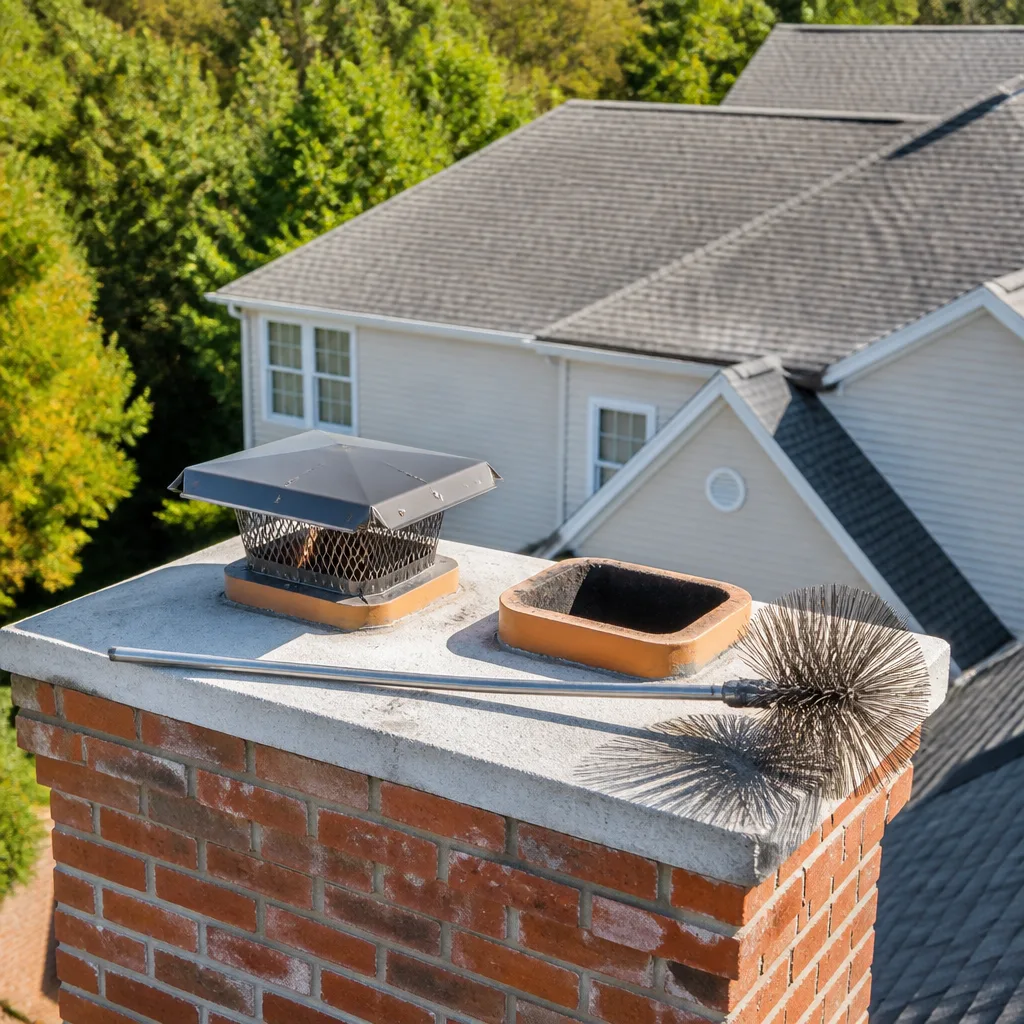
Level 1 sweep and inspection to the NFPA 211 annual standard - flue, crown, cap, and flashing checked and photographed
Chimney sweep logs do not sweep chimneys. They loosen some creosote - which then falls where a brush and vacuum still have to collect it.
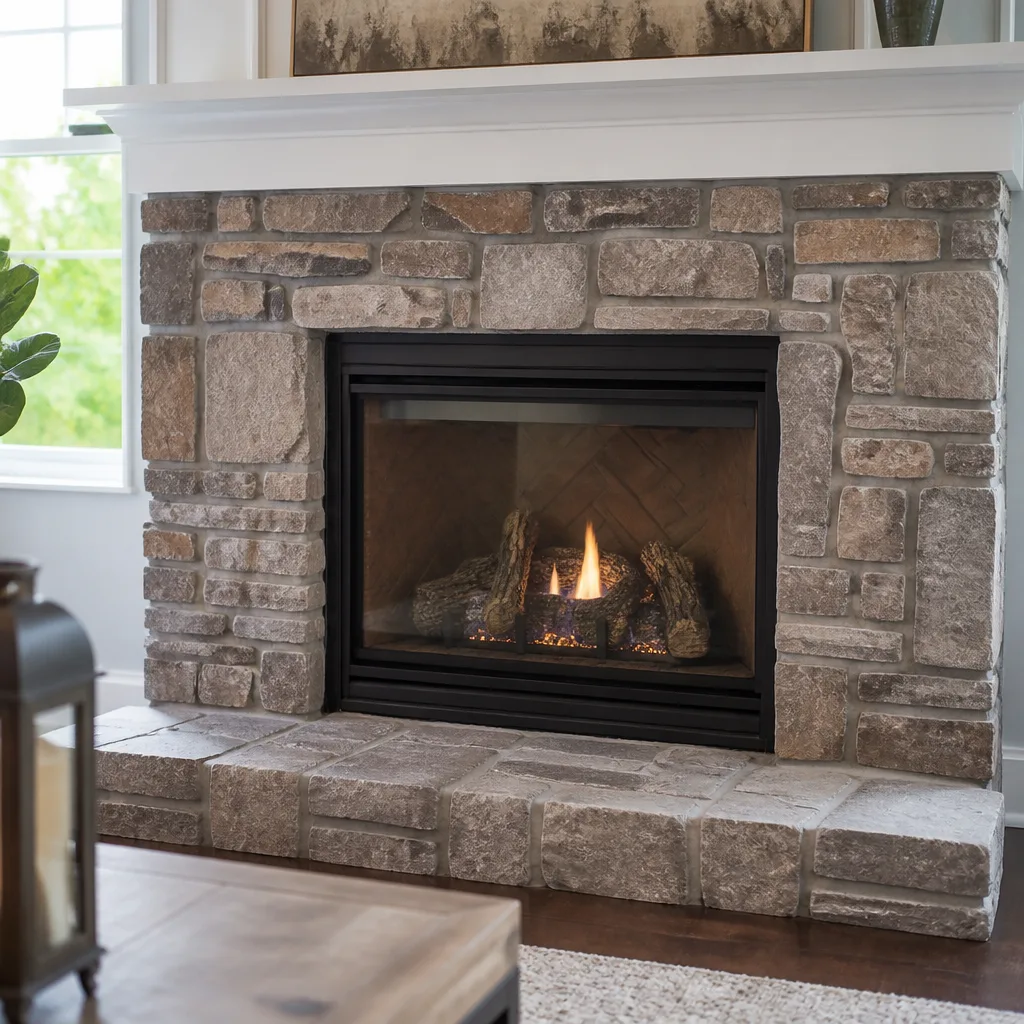
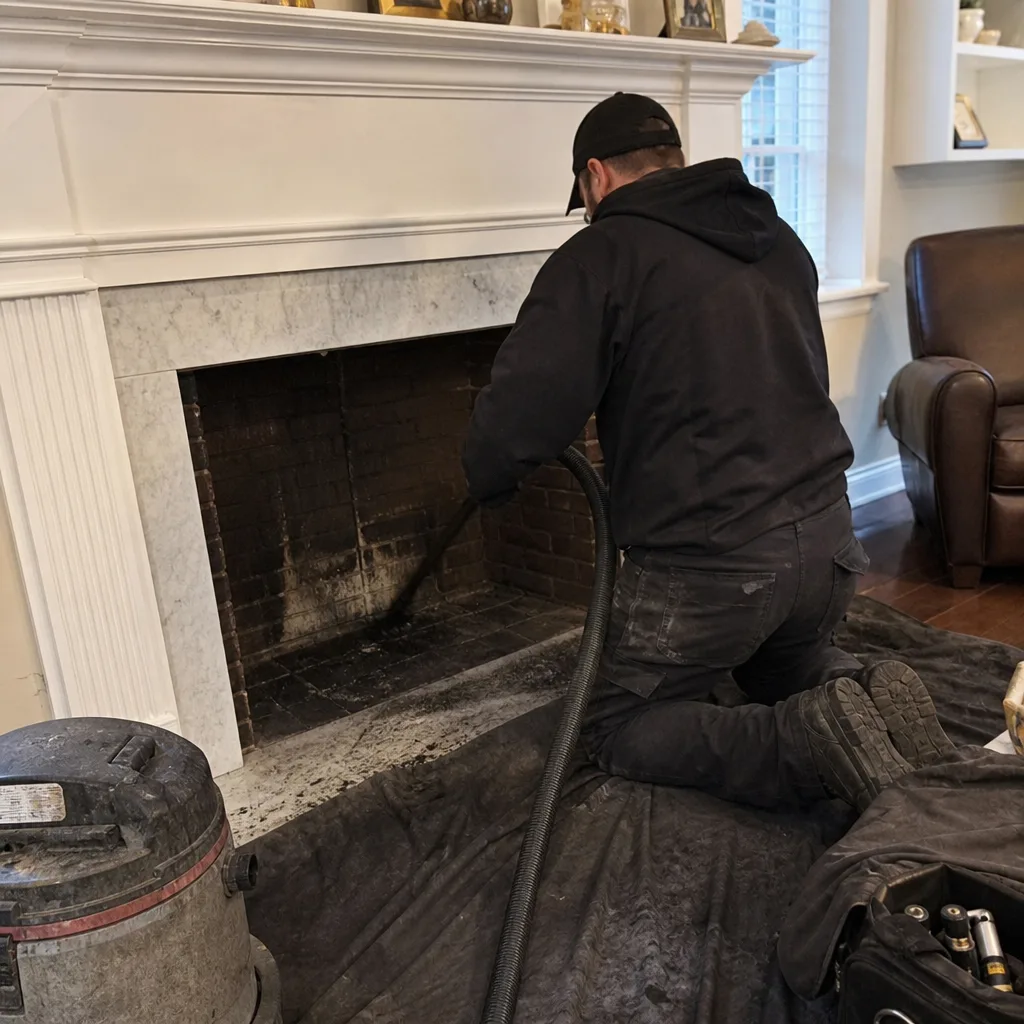 Before
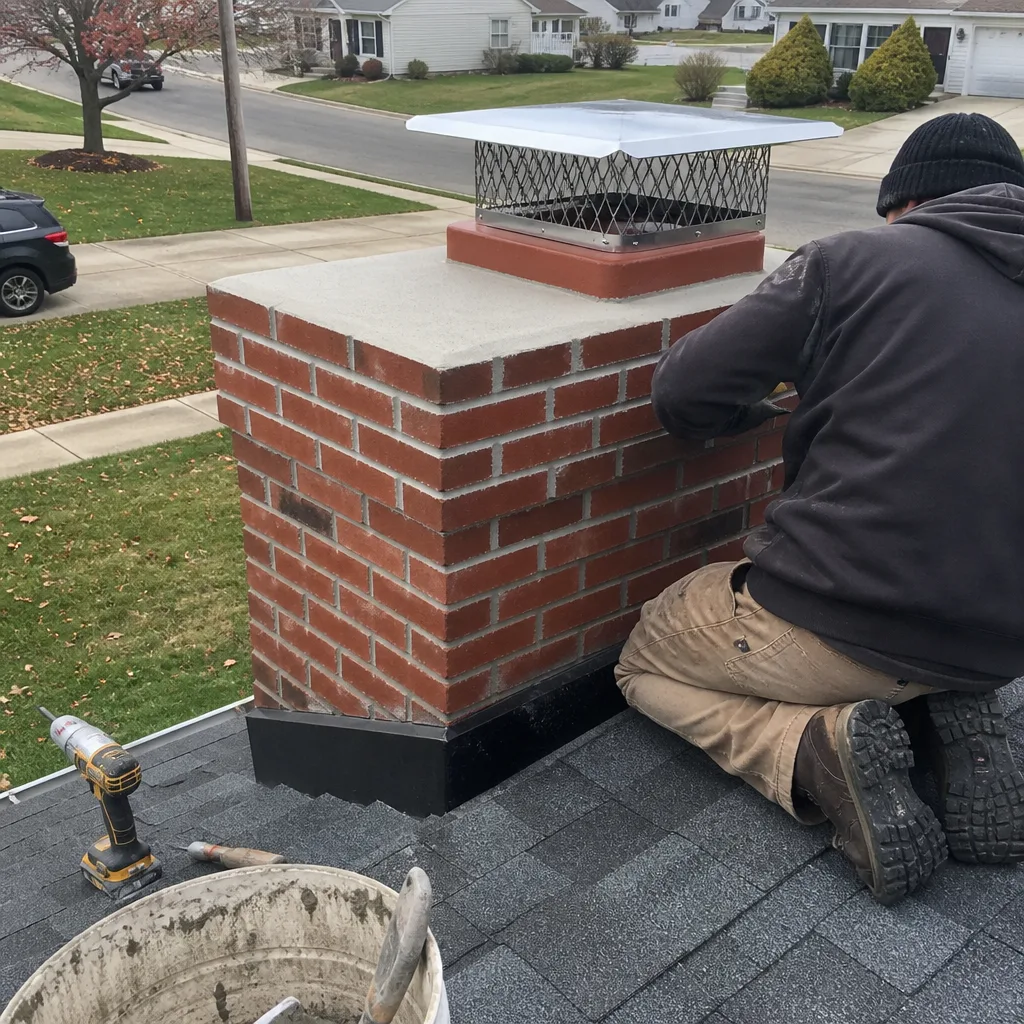 After
After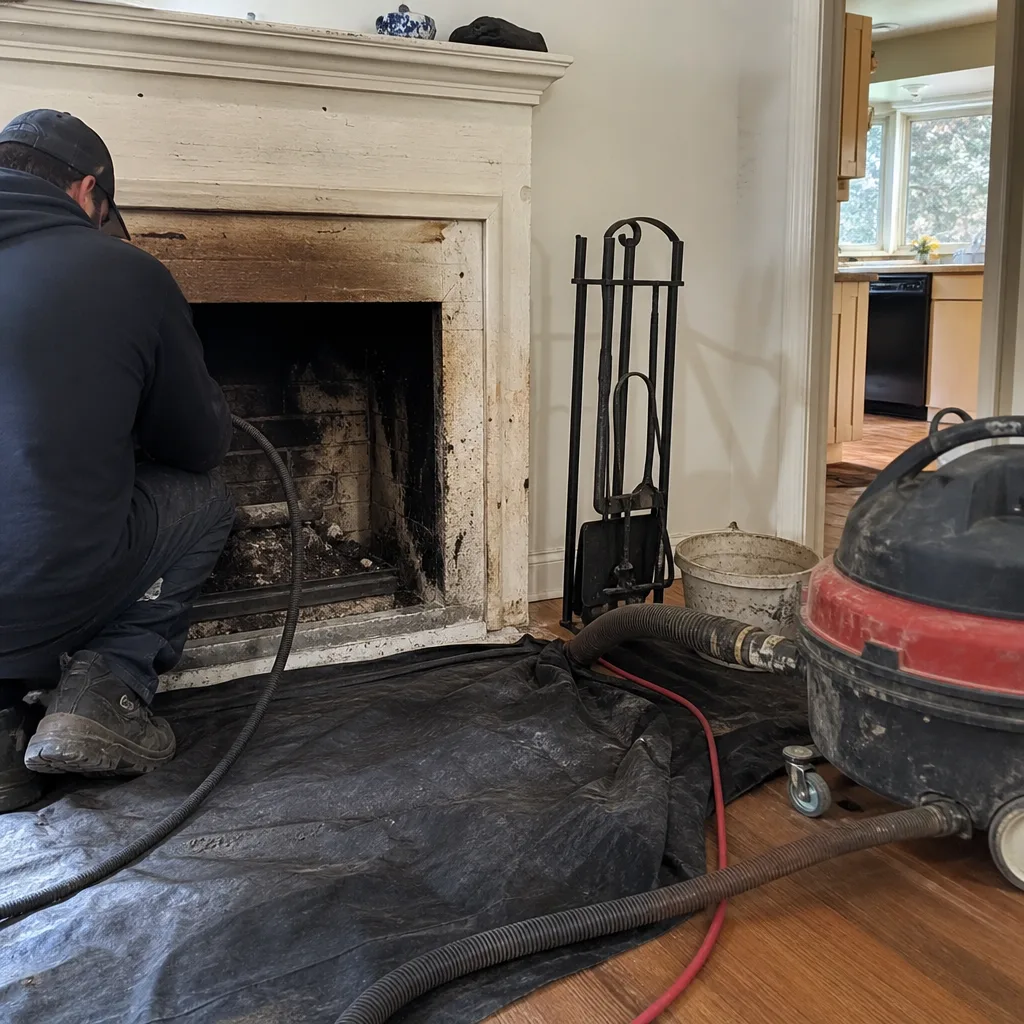 Before
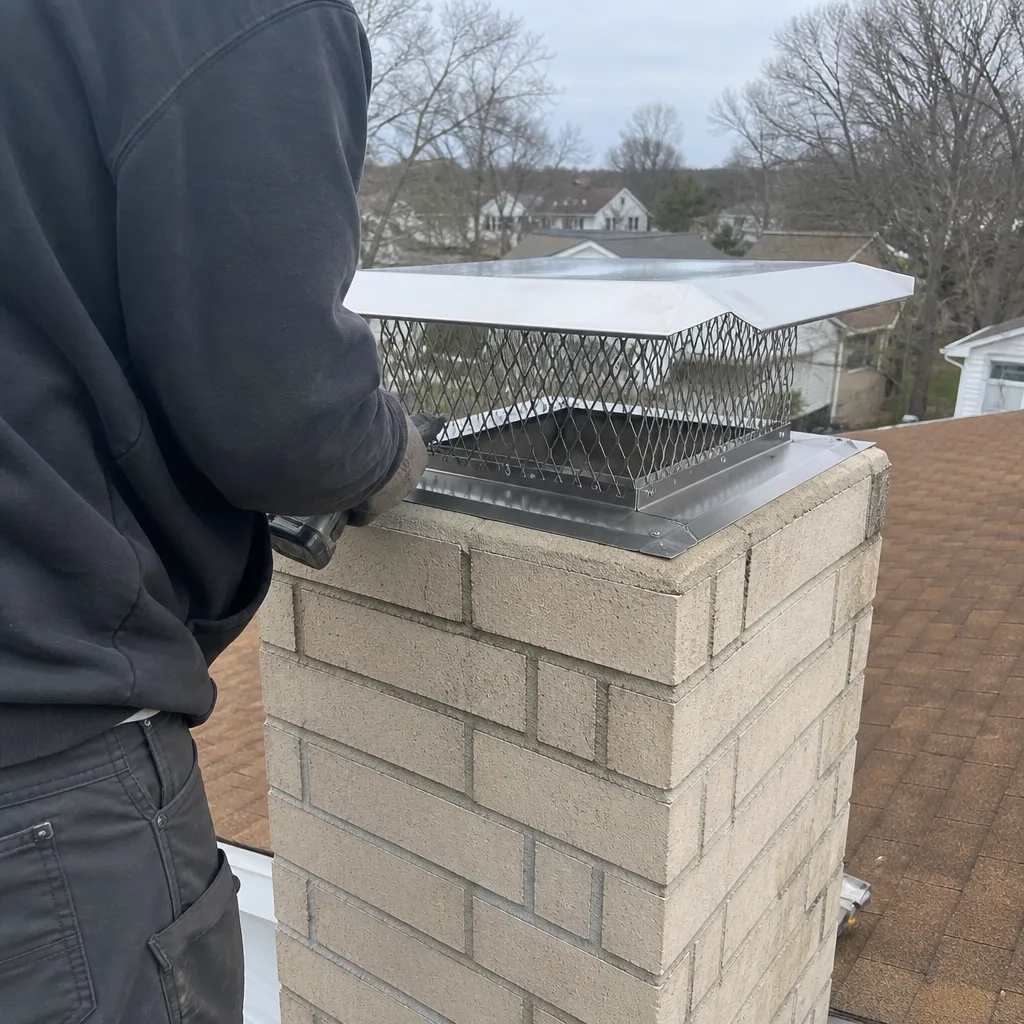 After
After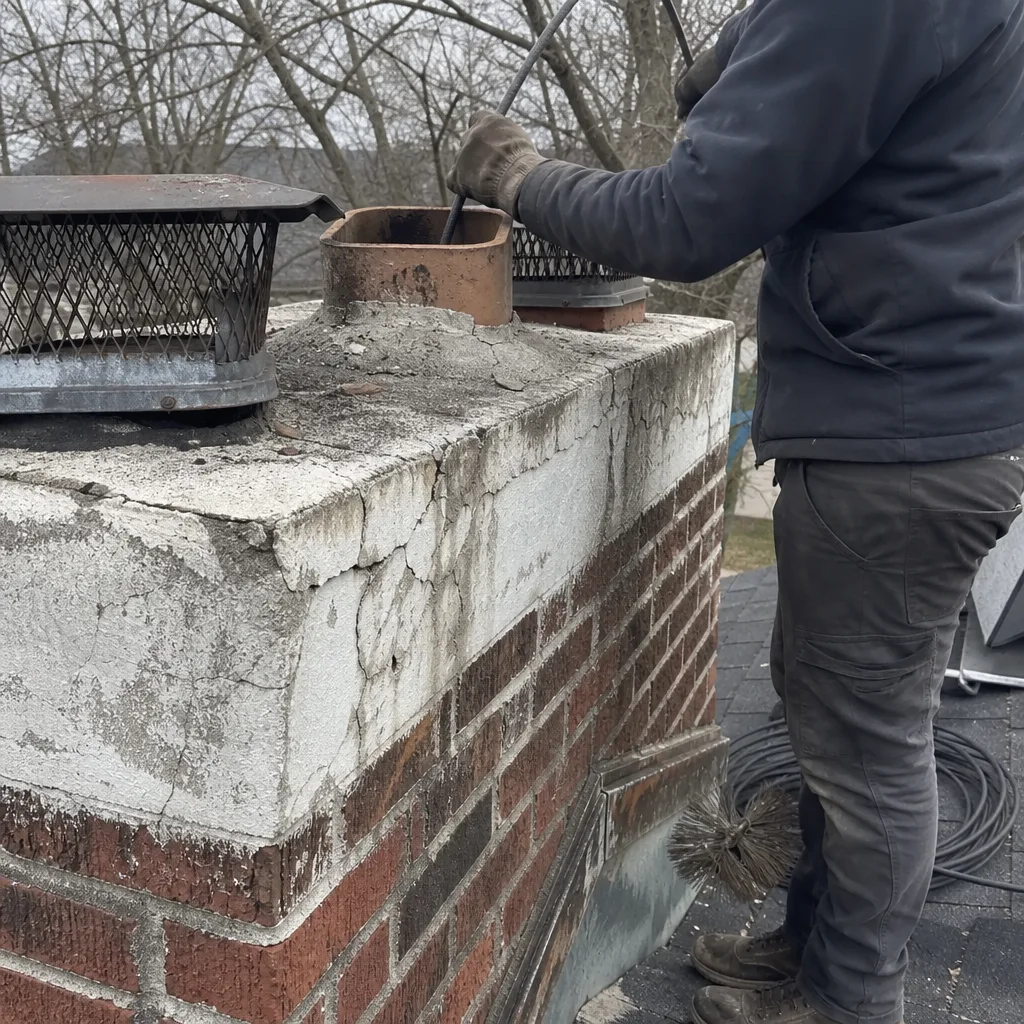 Before
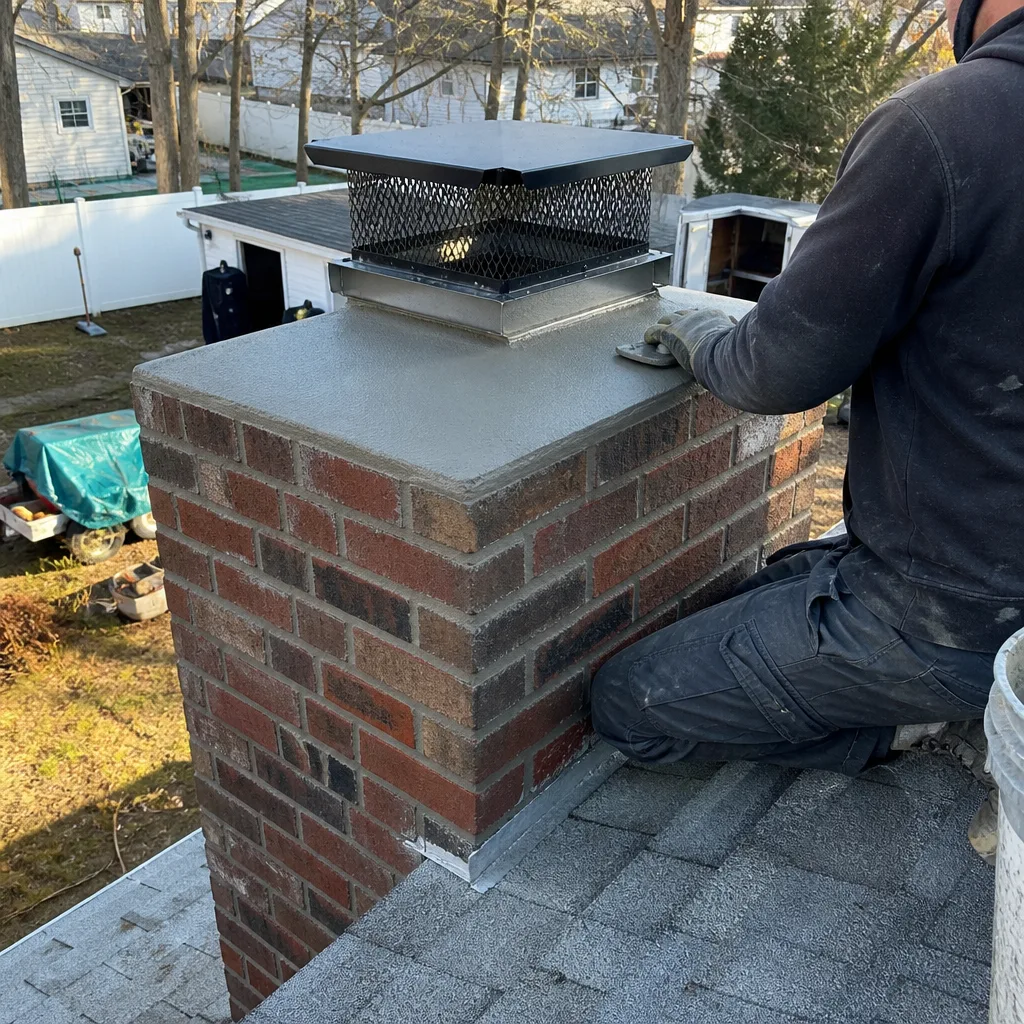 After
AfterSoot Removal in Toms River, NJ
Soot removal in Toms River typically runs between $150 and $350 for a standard Chimney Cleaning & Sweep services visit that includes thorough soot clearing, and most jobs are finished in a single visit. If you’re seeing black residue around your firebox, smelling smoke in rooms other than the one with the fireplace, or noticing a persistent burned odor even when the fireplace isn’t lit, soot has built up to a point where it needs professional attention before your next fire.
At Hearthstone Chimney Co., soot removal is part of the skilled work we’ve been doing in Toms River since 1984. Russell Haines built this company on the idea that a chimney job worth doing is worth doing completely – no shortcuts, no corners cut to save ten minutes. Every soot removal visit begins with a look at what’s actually in your flue, not just a quick brush-through and a handshake. You can reach us any time at (609) 303-9679 – a live person picks up every call, around the clock.
Soot removal falls under our broader Chimney Cleaning & Sweep in Toms River service, and in most cases the two go hand in hand. But soot is its own concern, and it’s worth understanding why.
Why Soot in Toms River Chimneys Deserves Specific Attention
Toms River sits close to Barnegat Bay, and the coastal humidity here does something to soot that drier inland climates don’t produce as often. Moisture binds soot particles together and helps them adhere to masonry and liner surfaces more stubbornly than dry, powdery soot. Homeowners in neighborhoods like Silverton, Pine Beach, and Holiday City who use their fireplaces regularly through the winter often find that by February, the soot layer is thicker and more tenacious than they expected based on the number of fires they’ve burned.
Soot is also acidic. Left sitting on masonry or a metal liner, it reacts slowly with moisture and starts degrading the surfaces it clings to. That’s not an emergency in a single season, but over five or ten years – especially in a chimney that gets minimal attention – it adds up to real structural wear. We’ve seen it in older homes along Fischer Boulevard and on the bay-side streets of South Toms River: chimneys that looked fine from the outside but had sustained liner pitting and mortar softening from years of soot-acid contact.
This is why soot removal isn’t something to defer indefinitely or to hand off to whoever quotes the lowest price. The job needs to be done completely, and it needs to be documented so you know the condition of your flue after the work is done.
When You Need Soot Removal
Not every fireplace owner knows when soot has crossed from normal accumulation to a real problem. These are the situations that tell us it’s time:
- Black staining around the firebox opening or on the hearth face. Soot that migrates out of the firebox is a sign that the flue is restricted or that airflow is being disrupted by buildup – either way, it needs clearing before it gets worse.
- A smoke smell that lingers in the room after the fire is out. In Toms River’s cooler months, from October through March, homeowners using their fireplaces several nights a week often report this first. The smell is soot off-gassing, and it doesn’t improve on its own.
- Visible soot shelf at the smoke chamber. If you hold a flashlight up into the firebox and see a thick dark ledge of buildup at the throat, the smoke chamber is restricting draft. This is one of the most common conditions we find in homes that haven’t had service in three or more years.
- Your last chimney service was more than twelve months ago. The Chimney Safety Institute of America recommends annual inspection and cleaning for any chimney in active use. In coastal New Jersey, with the humidity factored in, we generally agree with that schedule – and sometimes recommend more frequent attention for homeowners burning four or more fires per week through winter.
- You’ve recently bought a home in Toms River and don’t know the chimney’s service history. Buying an older home in a neighborhood like Brookside or Pleasant Plains without knowing when the chimney was last swept is a real risk. Soot we can’t see can still cause problems.
- You’ve burned a lot of green or unseasoned wood. Firewood sold locally near Toms River isn’t always as dry as the seller claims. Wet wood produces far more soot and creosote per fire than seasoned hardwood. If you’ve had even a few seasons of questionable wood, inspection and soot removal are prudent.
Our Soot Removal Process
We don’t rush this job. Soot removal done properly requires working through the system methodically – from the firebox up through the flue – and leaving the home as clean as we found it. Here’s how a typical visit goes:
- Arrival and setup. Our uniformed, background-checked technician arrives at the scheduled time with professional-grade drop cloths, a HEPA-filtered vacuum system, and all the brushes and tools needed for your specific flue diameter and liner type. The workspace is fully protected before any tools go into the firebox. No soot on your hearth, no dust on your furniture.
- Pre-cleaning inspection. Before we start brushing, we take a look at what we’re dealing with. We assess soot depth, check for any obvious cracking or damage at the firebox and smoke chamber, and note whether there’s creosote mixed in with the soot – which changes the approach and the conversation about risk.
- Systematic soot removal, top to bottom. We work from the top of the flue downward, using correctly sized brushes to free soot from the liner walls. The HEPA vacuum runs continuously to capture dislodged material before it can settle. We don’t skip the smoke shelf – a flat horizontal ledge just above the damper that collects soot and debris and is easy to overlook but critical to clear.
- Smoke chamber and firebox clearing. The smoke chamber above the damper is one of the areas where soot accumulates most heavily in older Toms River homes. We clean it thoroughly, along with the firebox walls and floor. If the parging on the smoke chamber walls shows soot penetration or cracking, we document that and explain what it means before recommending anything.
- Level-2 camera inspection. After cleaning, we run a camera through the flue. You can see the footage, and we give you a plain-English verdict on what we found – not a list of repair codes, just a clear statement of the flue’s condition. Photos are yours to keep. This step is what separates a real inspection from a blind sweep.
- Cleanup and written summary. We collect all debris, remove drop cloths, and leave the area clean. You get a written summary of what was done and what, if anything, we observed that warrants attention. If there’s nothing to repair, we say so. If there is, we give you the number upfront – what you see on the estimate is what you see on the invoice.
Soot Removal Pricing in Toms River
If you’re wondering How Much Does Chimney Cleaning & Sweep Cost? (2026 Price Guide) - Toms River, NJ, soot removal runs between $150 and $350 for most residential chimneys when it’s part of a standard cleaning visit. Standalone soot removal on a heavily loaded flue – or a chimney that hasn’t been serviced in several years – can run higher, generally $300 to $500, depending on what we find and how much work the smoke chamber requires.
| Scope of Work | Typical Price Range |
|---|---|
| Standard soot removal (combined with annual sweep) | $150 – $350 |
| Heavy soot removal (3+ years of buildup, smoke chamber included) | $300 – $500 |
| Soot removal with Level-2 camera inspection | $250 – $450 |
| Add: smoke chamber parging repair (if needed) | $200 – $500 depending on extent |
Several factors affect where your job lands in those ranges:
- Time since last service. A chimney cleaned annually typically costs less to service than one that’s been left for five years. The work is simply less intensive.
- Flue height and configuration. Taller chimneys – common on older two-story homes in the West Dover and Whiting areas of Ocean County – take more time to work through than a standard single-story stack.
- Liner type. A terra cotta tile liner, a stainless DuraFlex liner, or an unlined masonry flue each has its own cleaning requirements. We work with all of them.
- Creosote presence. If soot has been supplemented by creosote – a harder, more adhesive compound – the job takes longer and may require specialized chemical treatments before brushing.
We offer a permanent 5% discount for seniors and veterans. Our $89 Seasonal Tune-Up covers a basic cleaning and inspection for chimneys in good condition. And if you’ve received a written estimate from another company, our Free Second Opinion is available – no charge, no pressure, just an honest look.
All work is covered by the 90-Day Done Right Promise: in writing, no arguing. If something isn’t right, we come back and make it right. That’s the Hearthstone standard, and Russell Haines stands behind every job we do in Toms River.
Call (609) 303-9679 for a free estimate – the price you hear is the price on the invoice.
FAQs – Soot Removal
How much does soot removal cost in Toms River?
Soot removal in Toms River typically costs $150 to $350 when combined with a standard chimney sweep, or $300 to $500 for a chimney with heavy buildup or one that hasn’t been serviced in several years. The final price depends on flue height, liner type, how long it’s been since the last cleaning, and whether the smoke chamber requires significant attention. We give you the number before we start – not after. Call (609) 303-9679 or search Chimney Cleaning & Sweep Near Me in Toms River, NJ and we’ll give you a free estimate based on your specific chimney.
Is soot removal the same as a chimney sweep?
Soot removal is a core part of chimney sweeping, but not quite the same thing. A full chimney sweep addresses soot, creosote, debris like leaves and animal nesting material, and blockages. Soot removal specifically refers to the clearing of carbon residue from the firebox, smoke chamber, and flue liner – the black powdery or crusty material that results from incomplete combustion. In most of our Toms River visits, soot removal is completed as part of the full sweep rather than as a separate service.
Can soot damage my chimney liner?
Yes, it can – over time. Soot is mildly acidic, and when it combines with the moisture common in coastal Toms River homes near Barnegat Bay, it slowly degrades masonry mortar and can cause pitting in metal liners. In older homes in neighborhoods like Silverton and South Toms River, we’ve documented measurable liner wear in chimneys that went five or more years without cleaning. Annual Sweep removal prevents that accumulation from becoming a structural issue.
How do I know if my chimney has too much soot?
The clearest signs are a persistent smoke smell in the room even when the fireplace isn’t in use, black staining migrating out onto the hearth face or surrounding wall, and visible dark buildup when you look up into the firebox with a flashlight. If your last professional cleaning was more than a year ago and you’ve burned the fireplace regularly, the soot level is worth checking even if you don’t see obvious signs. We can tell you exactly what’s there after a look – and if it’s fine, we’ll say so plainly.
Key Takeaways
- Soot removal in Toms River costs $150 to $350 for most chimney cleanings, and $300 to $500 for heavier accumulation.
- Coastal humidity near Barnegat Bay makes soot more adhesive and more damaging to masonry than in drier climates – an annual cleaning schedule matters here.
- Hearthstone Chimney Co. uses a Level-2 camera inspection after every cleaning, with photos you can see and a plain-English written summary.
- All work is covered by the 90-Day Done Right Promise – in writing, no arguing.
- Russell Haines has been doing this work in Toms River since 1984. Live phone staff are available 24 hours a day at (609) 303-9679.
Schedule Your Soot Removal in Toms River
If your fireplace has been burning through the winter – or if it’s been a few years since anyone took a proper look inside your flue – call Hearthstone Chimney Co. at (609) 303-9679. We’ll send a uniformed, background-checked technician to your Toms River home, give you a clear upfront price, and complete the job in a single visit in most cases. You’ll get photos, a written verdict on your flue’s condition, and the 90-Day Done Right Promise backing every bit of the work.
We’ve been answering the phone and answering for our work in this town for over 42 years. That’s not a marketing line – it’s the reason we’re still here. Call anytime, day or night. A real person will pick up.
Written by Russell Haines, Owner at Hearthstone Chimney Co., serving Toms River since 1984.