
Level 1 sweep and inspection to the NFPA 211 annual standard - flue, crown, cap, and flashing checked and photographed
Chimney sweep logs do not sweep chimneys. They loosen some creosote - which then falls where a brush and vacuum still have to collect it.
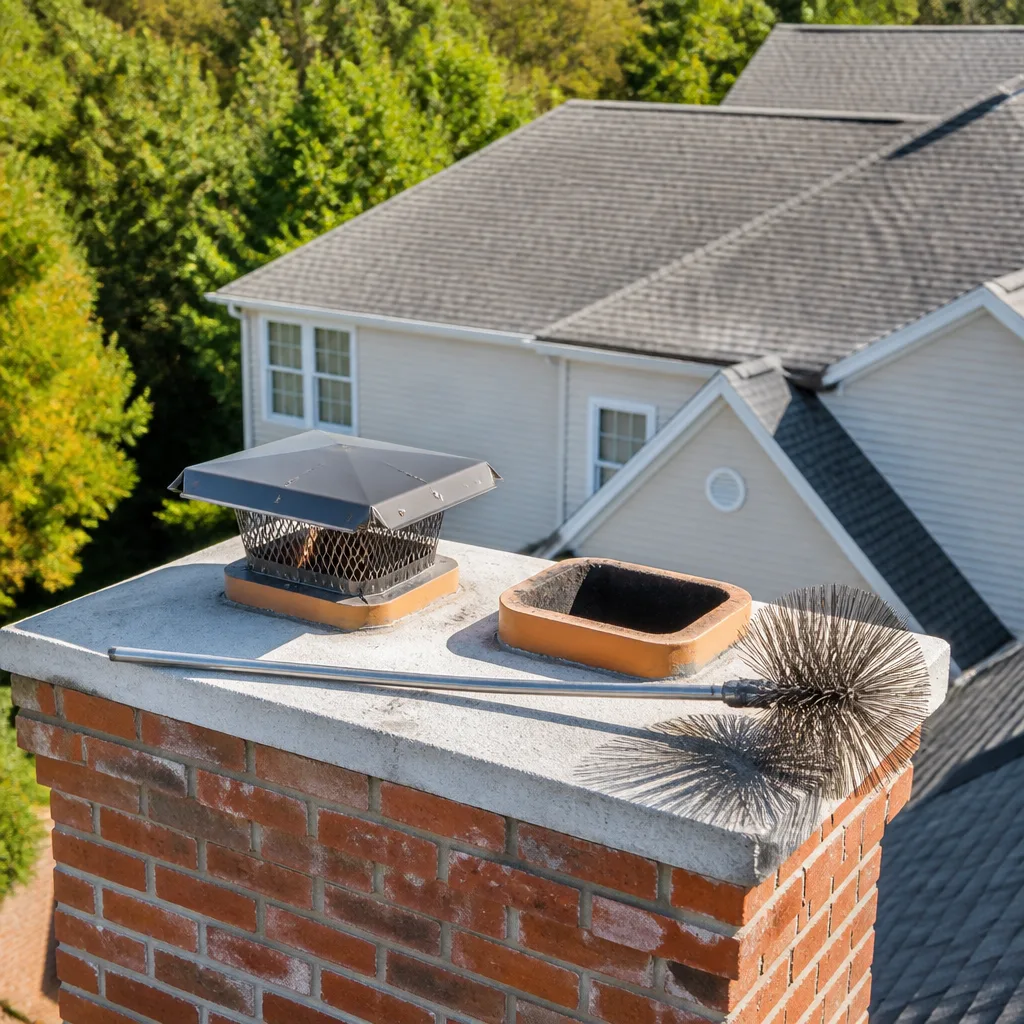
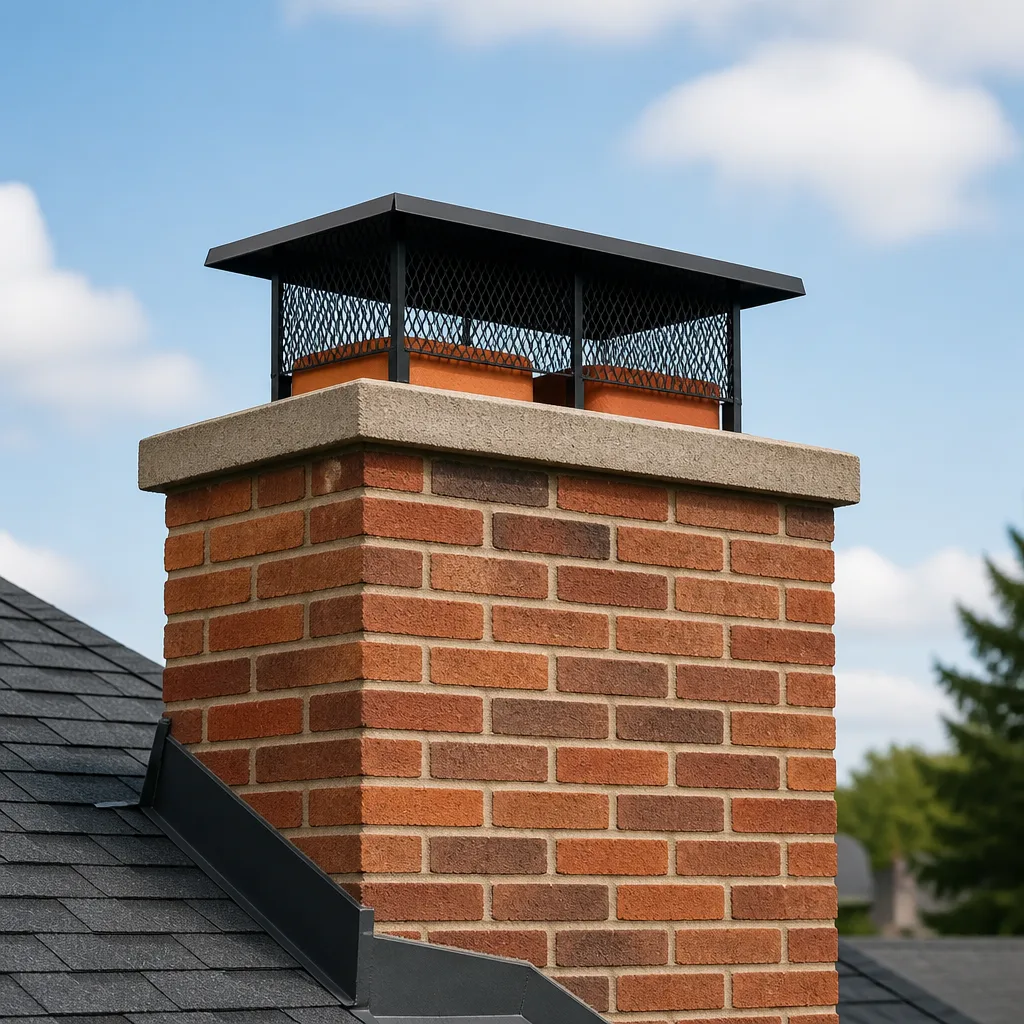
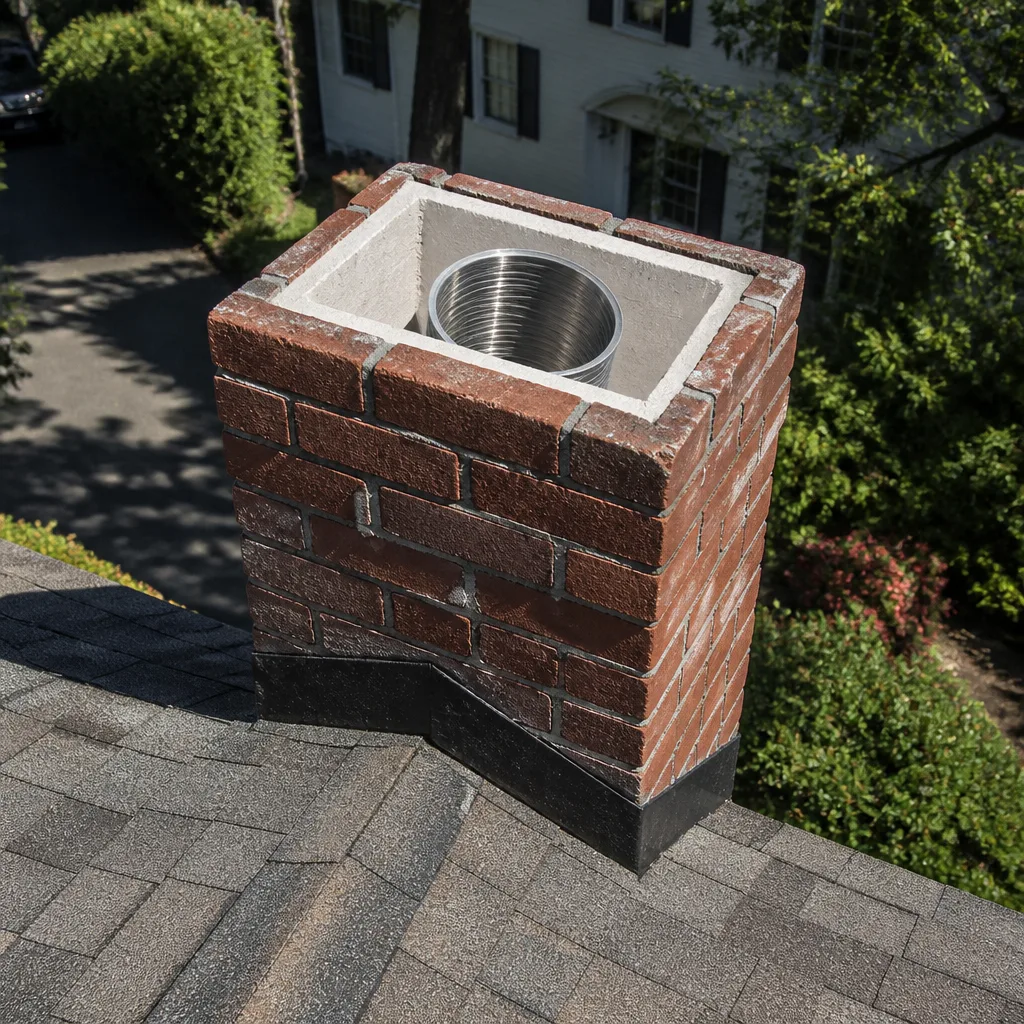
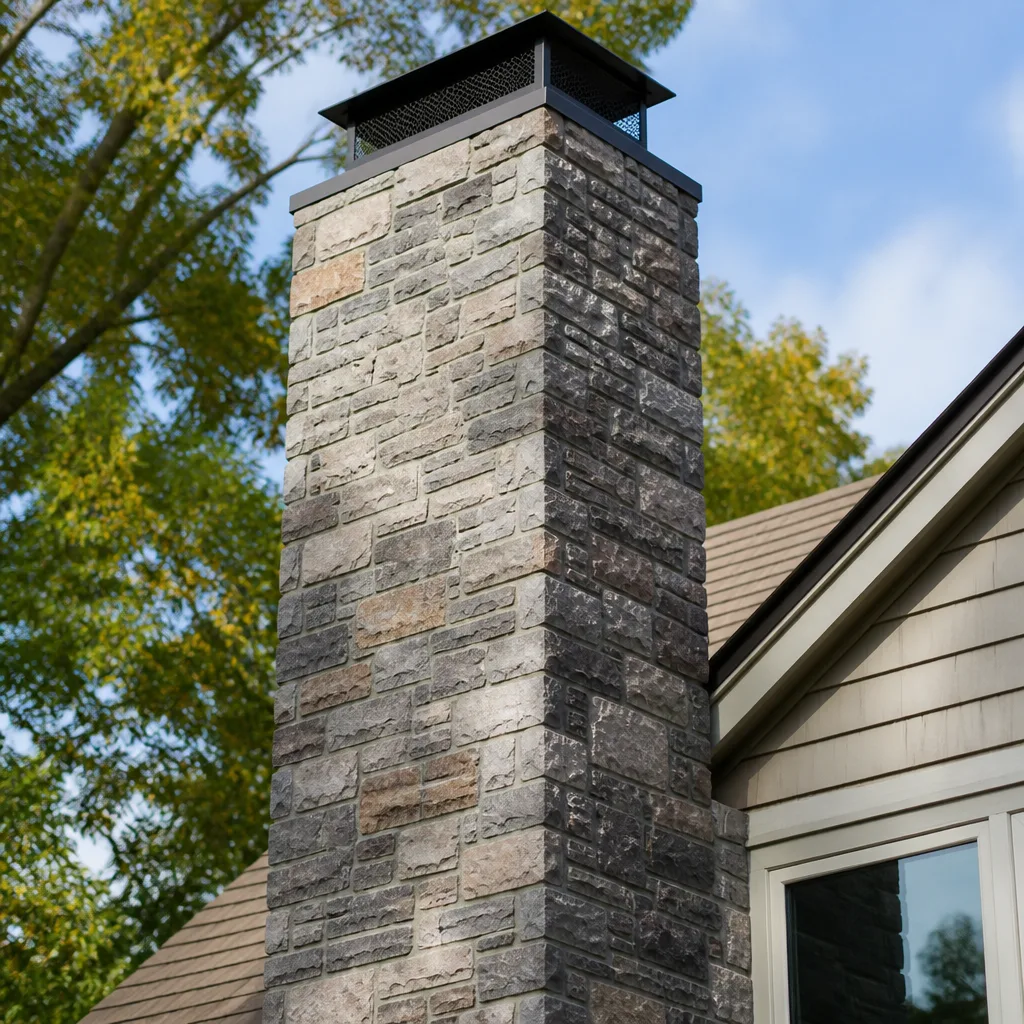
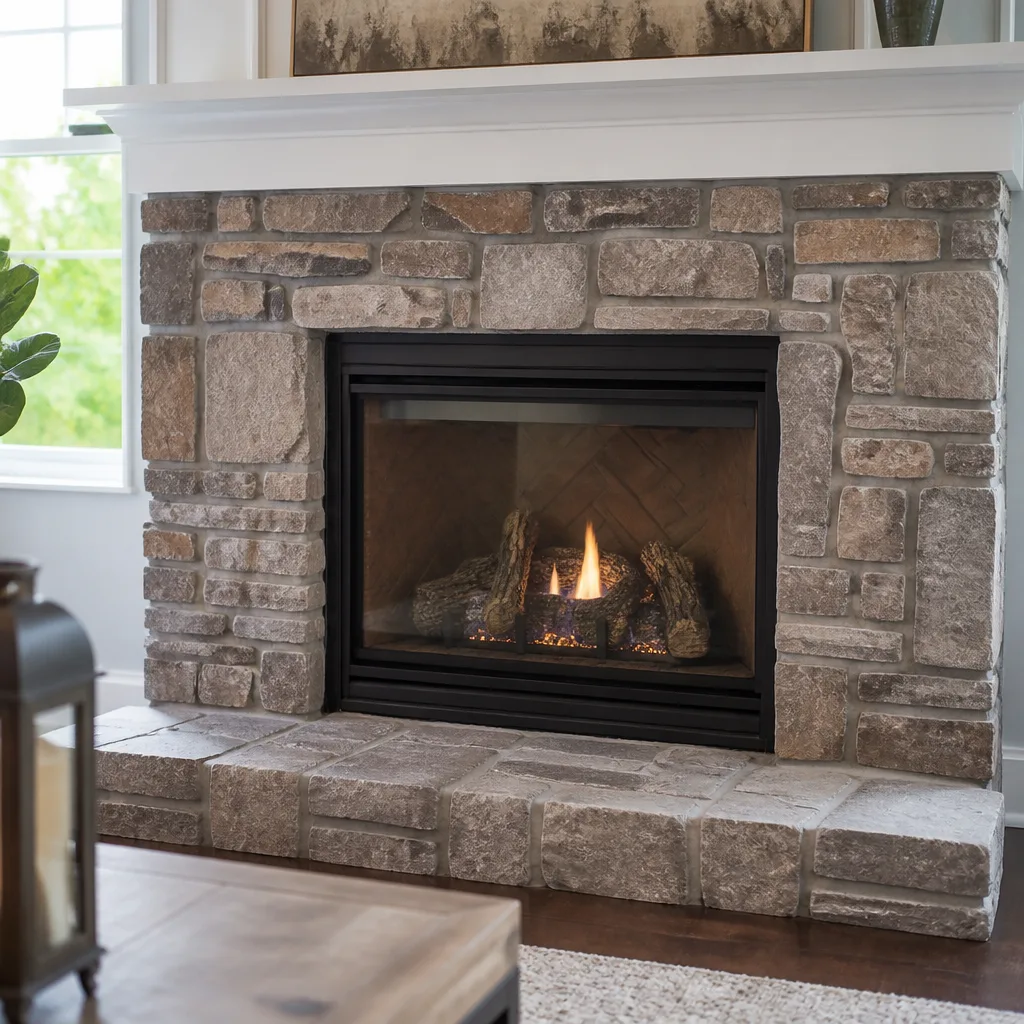
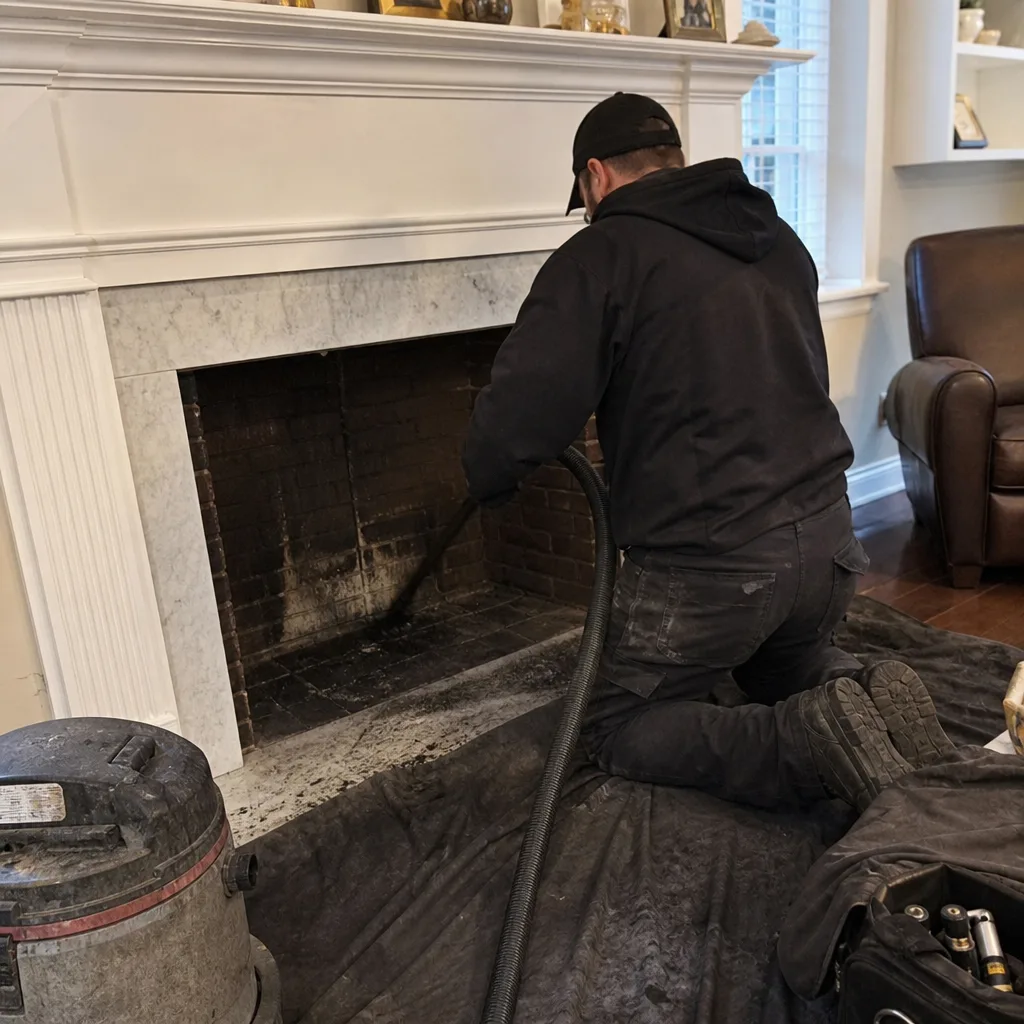 Before
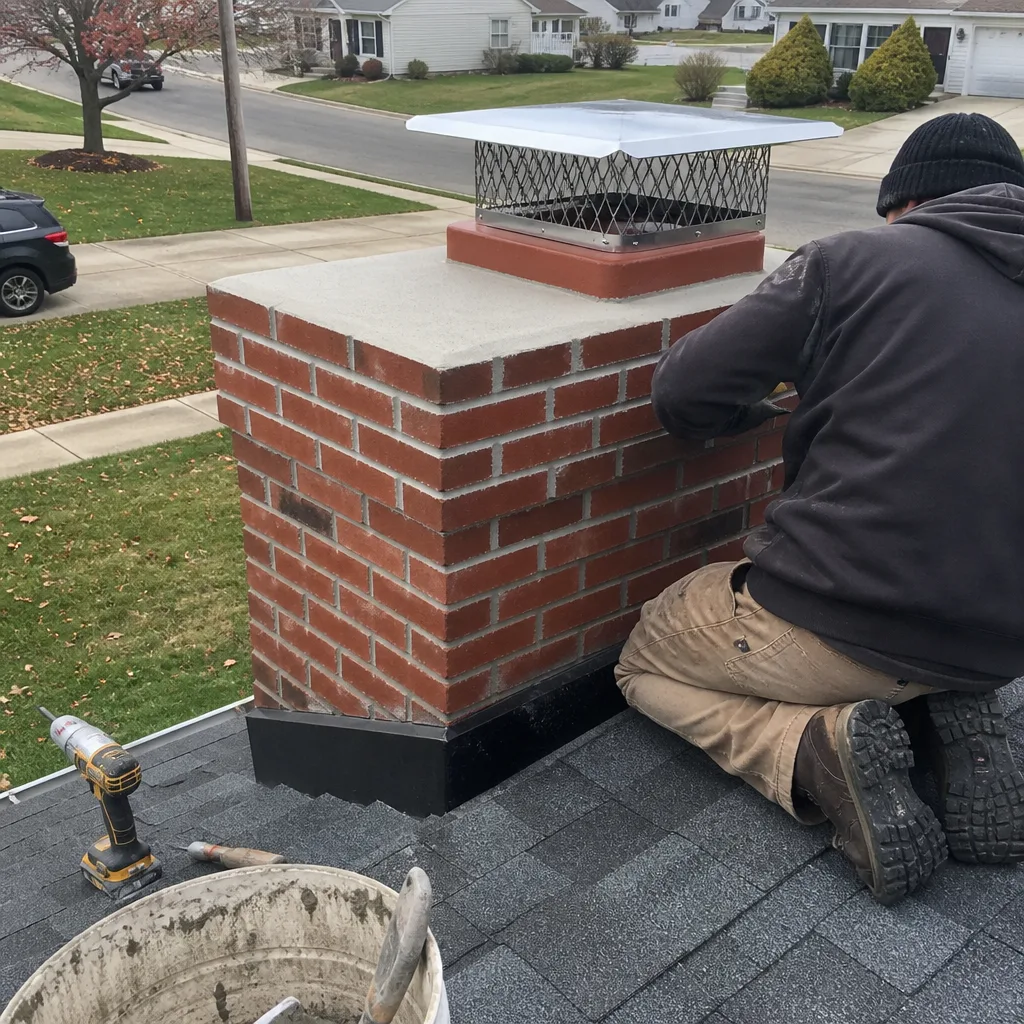 After
After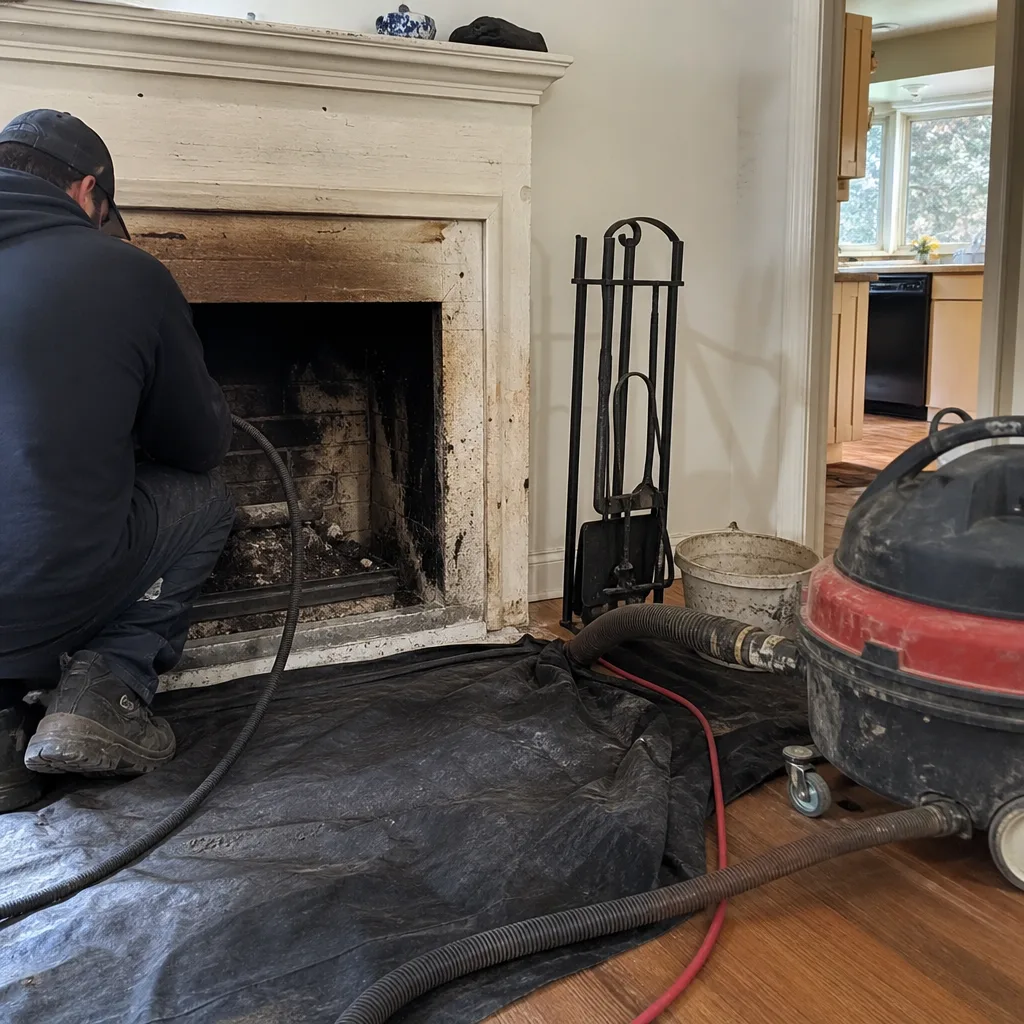 Before
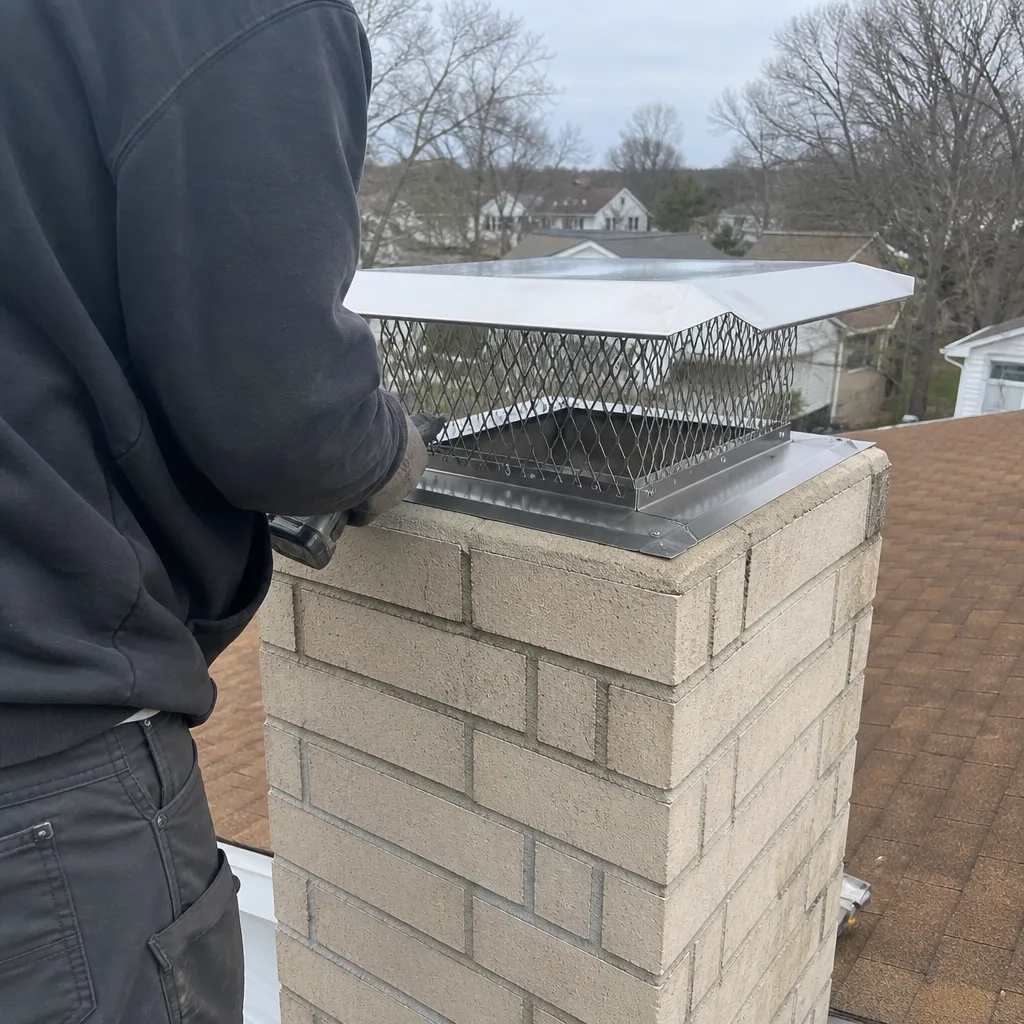 After
After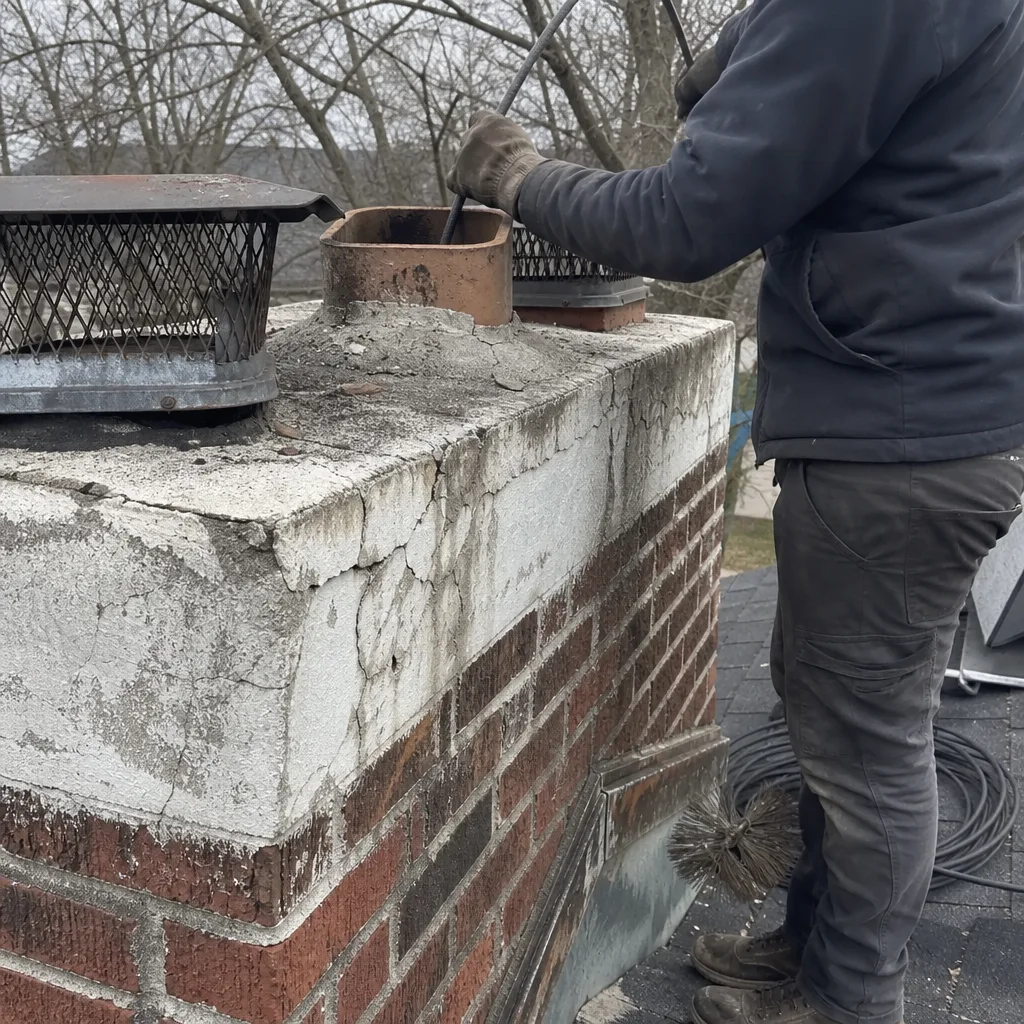 Before
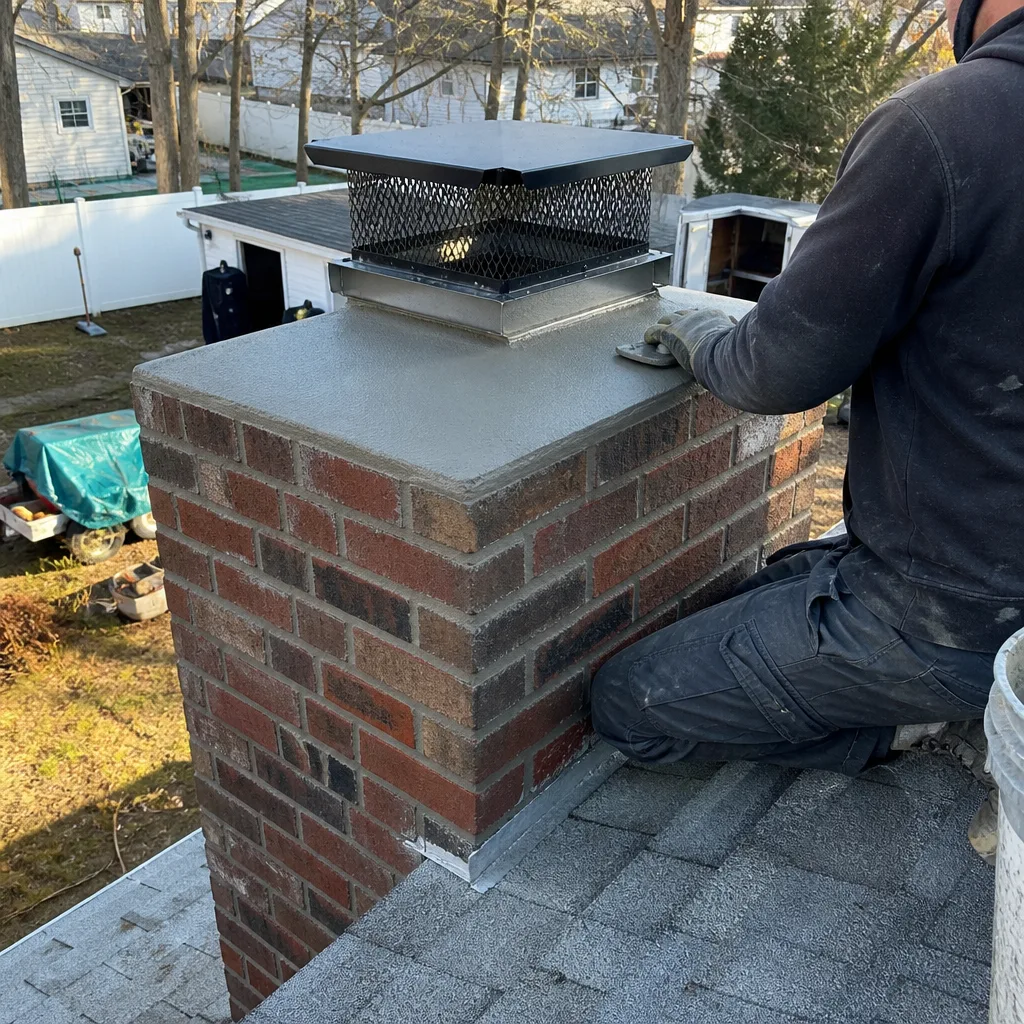 After
AfterCopperfield Chimney Cap Installation: The Toms River Owner’s Guide
We stock and install Copperfield-compatible chimney caps for most flue sizes common in Toms River homes, with typical installed pricing running $340-$620 depending on cap style and whether your crown needs repair work underneath. Most replacements are completed in a single visit, and we carry the standard Copperfield galvanized and stainless steel sizes on our trucks. Homeowners usually discover the problem during a heavy rain when water starts hitting the firebox floor, or when they spot rust streaks on the brickwork after a wet winter like the ones we get off Barnegat Bay.
Which Copperfield Models This Applies To
Copperfield chimney caps fall into several series, and matching the right one matters more than you’d think. The galvanized standard-duty caps carry model numbers starting with C or SC, while the stainless steel line uses SS prefixes. The critical measurement is your flue tile’s outside dimension, not the chimney crown width. A 13×13 flue tile takes a different base flange than a 13×17, and mixing them leaves gaps that invite water straight down.
We also see plenty of the older Copperfield wind-directional caps in Toms River’s Silverton neighborhood, where the original builders spec’d them in the 1980s and 1990s. Those rotating hoods use a different mounting bracket than the standard outside-mount models. If your cap has a riveted label on the skirt, photograph it before calling. No label? Measure the flue tile with a tape measure, not the cap itself, which may already be the wrong size.
Hearthstone Chimney Co. is an independent service provider with no affiliation to Copperfield Supply. We source OEM Copperfield caps and also stock quality equivalents from Gelco and Olympia Chimney when the original series has been discontinued or when a homeowner wants to upgrade from galvanized to stainless without the OEM markup.
Signs Your Copperfield Chimney Cap Is Failing
- Rust stains on the chimney breast or fireplace face. Galvanized Copperfield caps begin losing their zinc coating after 12-15 years in Ocean County’s salt-air environment. Once rust starts, it accelerates through the metal and the cap becomes a funnel instead of a shield.
- Water in the firebox after rain, even light rain. The mesh screen on standard Copperfield caps can sag or separate at the weld points, creating a gap that lets water drip directly onto the flue opening. In Toms River, we see this most often on north-facing chimneys where ice builds up in the mesh.
- The cap is visibly tilted or has shifted from center. Copperfield outside-mount caps use tension screws that loosen over time with thermal cycling. A tilted cap catches wind wrong and can torque the mounting bracket, which then damages the flue tile lip it sits on.
- Birds or squirrels in the flue. If the mesh sides have corroded through or the hood has lifted, animals treat your chimney like a hollow tree. We’ve pulled nests from Copperfield caps where the homeowner didn’t realize the mesh had rusted away on the back side, invisible from the ground.
- Spalling brick or deteriorated mortar on the top course. A failed cap lets water soak the crown and freeze. In Toms River’s freeze-thaw cycles, that water pops the brick face off in chunks. By the time you see this, the cap has been leaking for two or three seasons minimum.
Replacement Cost & What’s Included
Pricing breaks down into three brackets for Toms River homes. A straightforward swap of a standard galvanized Copperfield cap on a sound crown runs $340-$420. Moving up to stainless steel, or adding a wind-directional upgrade, lands in the $480-$550 range. If the crown beneath the cap is cracked or the flue tile lip is damaged, crown repair or minor masonry work pushes the total to $580-$620.
Every installation includes removal and disposal of the old cap, a Level-1 visual inspection of the flue top and crown, installation of the new cap with proper tension and seal, and photo documentation you receive by text or email. The 90-Day Done Right Promise covers the installation and the cap itself. If water gets past it, we come back. In writing, no arguing.
We don’t quote over the phone for cap work without photos. A cap that looks simple from the driveway can hide a cracked crown or a flue tile that needs rebuilding first. Our technician brings a camera, shows you what we see, and gives you the exact number before any work starts. The number on the estimate is the number on the invoice.
DIY or Call Us?
Checking whether your cap is loose is safe enough. Binoculars from the ground, or a careful look from a sturdy ladder at gutter height, will show you obvious tilt, missing mesh, or rust holes. Don’t climb onto the roof. Toms River’s coastal winds make chimney-level work unpredictable even for people comfortable on ladders, and the fall risk isn’t worth it for a part that costs a few hundred dollars installed.
Where DIY goes wrong is the measurement and the mounting. A cap that seems to fit can leave a 3/8-inch gap that funnels water straight to the flue. Over-tightening the tension screws cracks the flue tile. Under-tightening and the first nor’easter deposits your new cap in the neighbor’s yard. We’ve replaced homeowner-installed caps three times in the past two years in Toms River alone. The flue doesn’t lie. Neither do we.
Call (609) 303-9679 and we’ll get you scheduled. Estimates are free, and we carry standard sizes so most jobs finish the same day we arrive.
FAQs
Galvanized Copperfield caps typically last 12-18 years in Ocean County’s salt-air climate, while stainless steel models often go 25 years or more. The difference is real. We’ve pulled galvanized caps off Silverton homes that were rusted through at year 14, and stainless caps from North Dover that looked fine at year 22. Salt spray from Barnegat Bay accelerates corrosion on east-facing chimneys especially. Call (609) 303-9679 if you’re unsure what material you have - we can tell from a photo.
Mesh screens can sometimes be re-welded and minor surface rust treated, but once a galvanized cap has holes or the base flange is compromised, replacement is the sound choice. We’ve tried patching caps that failed again within two seasons. A new cap is a one-time fix that costs less than two patch attempts. We only recommend replacement when we’ve shown you the damage and explained why repair won’t hold.
Most Copperfield cap replacements take 45 minutes to 90 minutes from ladder set-up to final photo. If crown repair is needed underneath, add 2-3 hours for proper curing time. Our technicians arrive with caps, sealant, and masonry materials on the truck, so there’s no waiting for parts. Background-checked, uniformed, and most jobs completed in a single visit.
We carry the standard galvanized and stainless steel Copperfield-compatible sizes for 8×8 through 13×17 flue tiles on every service truck. Less common sizes, wind-directional models, or custom flue shapes we order with next-day delivery from our supplier. If your cap is leaking now, we can usually install a temporary rain guard same day while the permanent cap comes in. Call (609) 303-9679 to confirm your size and schedule.
Written by Russell Haines, Owner, Hearthstone Chimney Co. at Hearthstone Chimney Co., serving Toms River and nearby areas.